Triumph and Ducati – Divorce in Italian

About two and a half years ago, we told you about the myth-enshrouded assembly of Triumph automobiles at Ducati and wondered how many vehicles had been completed there. After lengthy research, we now believe we have the answer: most probably none at all. How can that be, given that we keep reading about it? Here is the whole story.
After the Italia 2000 fiasco, which was incredibly pretty but denied its technical pedigree, Leyland-Triumph was no longer on good terms with Salvatore Ruffino. A new importer including a wide service network was needed – because Ruffino had also failed to fulfill the last point adequately. The British found their new partner in motorcycle manufacturer Ducati, which was already planning to enter the automotive segment.
The new business relationship was publicly announced at the Turin Motor Show in October 1962. What's more, Ducati had not only been the general importer of Triumph vehicles in Italy since September 1, but would also soon begin assembling entire automobiles and producing spare parts. Of course, Ducati would continue to operate its motorcycle business without restriction, reported German and Italian magazines.
Ducati Managing Director Giuseppe Montano suggested building the assembly plant in the south of the country, as funds from the "Cassa per il Mezzogiorno" – a state support fund for expanding the industrial infrastructure in Lower Italy – could then be used. The factory was not only to assemble kits supplied from England, but also have its own department for their further development.

Contract negotiations between Leyland-Triumph and Ducati, led by main shareholder Ernesto Breda, began in early 1963. The Italians' demands were not immodest. Instead of just 30 percent (as envisaged by Leyland), the British were to acquire a 49 percent stake in the company. In addition, Ducati demanded the chairmanship of the board as well as the right to sell its own products abroad.
The negotiations dragged on until late fall, with opinions differing widely on the duration of the partnership as well as the financial support from England. After numerous draft agreements, which were only ever considered worthy of signing by one side, the matter finally came to nothing at the end of 1963.
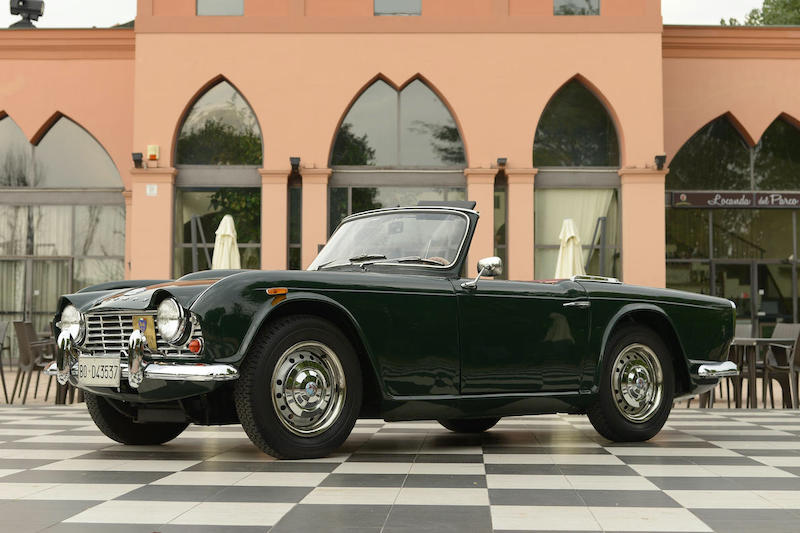
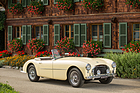
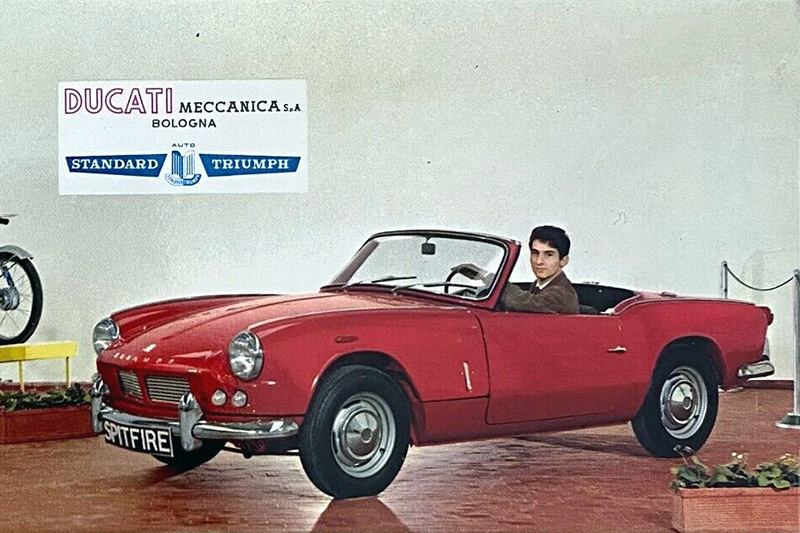
As a result, Ducati limited itself to the import of Triumph vehicles and spare parts as well as maintenance and support from over 200 authorized dealers – including its own fleet of breakdown services. In addition to adaptations to the legal requirements (such as rear lights with separate indicators for the Triumph Spitfire), all cars were given the "Meccanica Ducati Bologna" badge, which today often leads to the assumption that the car was also assembled in Italy.
After the merger with BMC at the beginning of 1968, Leyland's connection to the motorcycle manufacturer from Borgo Panigale was hushed up, but initially continued to exist. The former competitor and current merger partner had been cooperating with Innocenti since 1960. The old Triumph contract with Ducati finally expired at the end of 1970, so that from 1971 both branches of the company operated under the newly founded British Leyland Italia.

And where does the estimate that around 20 Triumph TR4s were assembled by Ducati come from? Of course, it is possible that Leyland sent a box of "pre-production examples" to Bologna for testing purposes. However, it is more likely that it was simply a misinterpretation of the (nowadays still very rare) dealer's badge on the trunk lid. It's a bit like saying that Auto Becker assembled Facel Vega cars in Düsseldorf from 1958...