Back roads through automotive history (3): Are chauffeurs domestic staff or salaried mechanics?

04/25/2024
It's true: the most beautiful, interesting and sometimes weirdest discoveries are always made on the back roads. This also applies to the byways of automotive history. This series brings you surprising facts from earlier times about technology, design and life with the car.
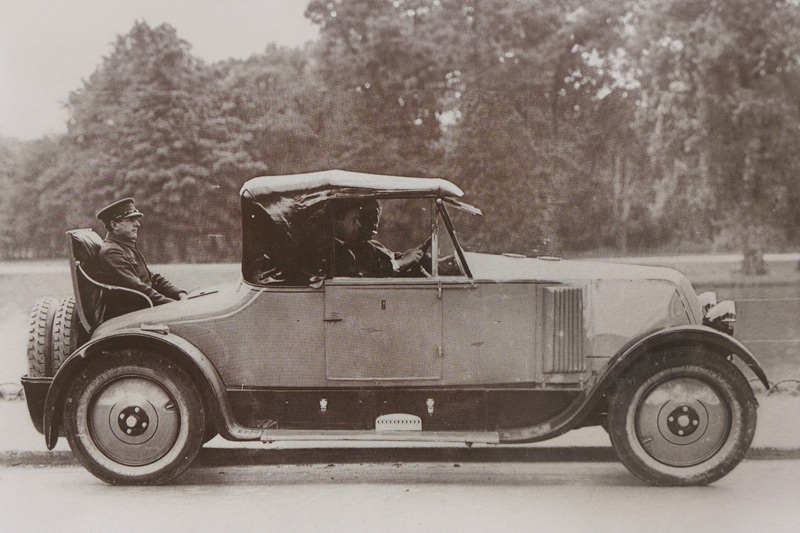
A French newspaper report in 1911 stated:
"We ask our readers the following questions:
- How does one choose one's chauffeur? Is it better if he has professional training as a mechanic, or if he is simply a skilled man with a mechanical aptitude? Or is a domestic servant preferable who is used to the house, intelligent but not capable of carrying out major repairs?
- Is it better if he is married or single?
- If a mechanic has board and lodging, what salary can he claim?
- Is he entitled to gifts or a bonus, and if so, under what conditions?
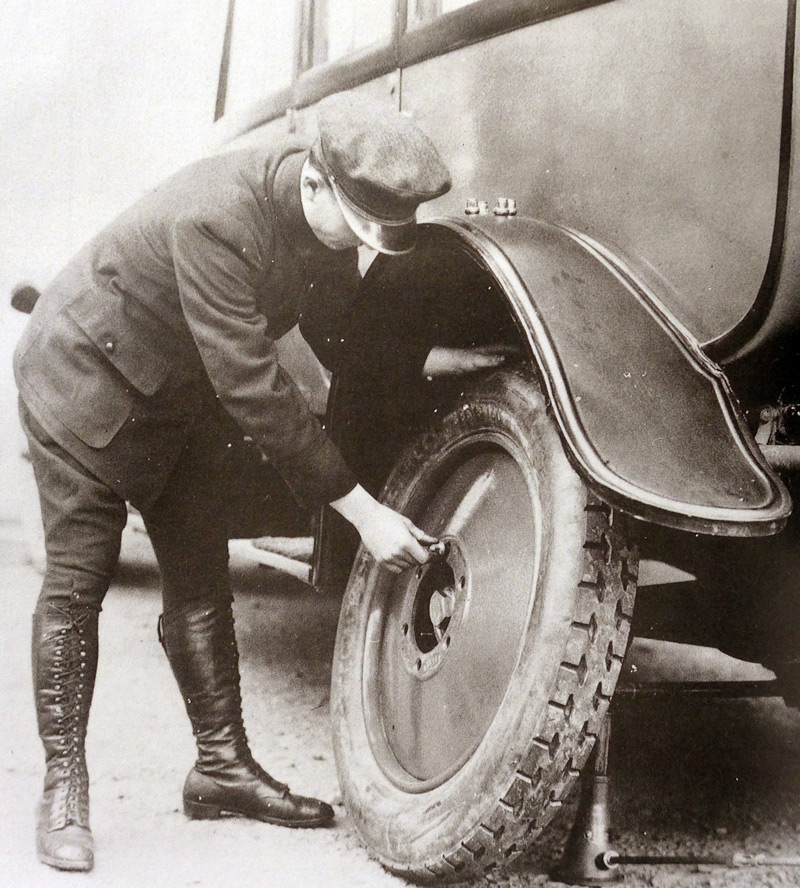
- It is customary to dress your mechanic. What clothing do you owe him? For example, do you owe him gloves, but also shoes?
- If the mechanic does not have board and lodging when traveling, what do you owe him?
- Can you demand that the mechanic washes the car every day when traveling if the day was not too hard, if you arrive early and the mechanic can rest?
- What place do you assign him when traveling if the mechanic is not driving?
- Should the mechanic buy tires, fuel, etc. himself? If so, what control does the patron have?
- Is it customary for the mechanic to keep a portion of the resale proceeds for used tires, old accessories, etc. for himself?
- If a mechanic comes home late at night, for example at one o'clock, when can you ask him to drive the car again?
- If you no longer need the mechanic, the law allows him eight days' pay. But what about the clothes, do they belong to him?
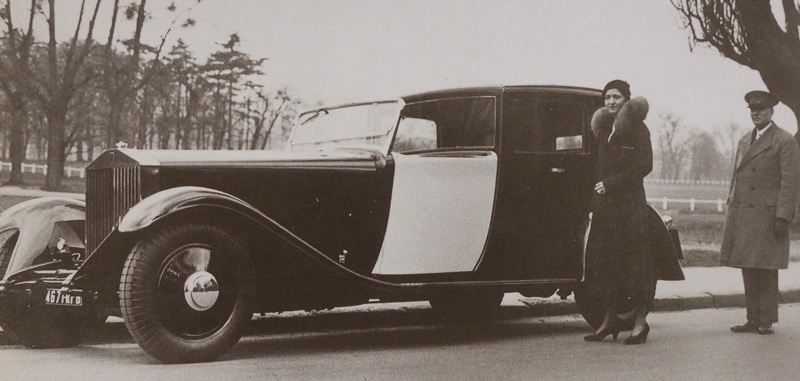
The answer from a reader was:
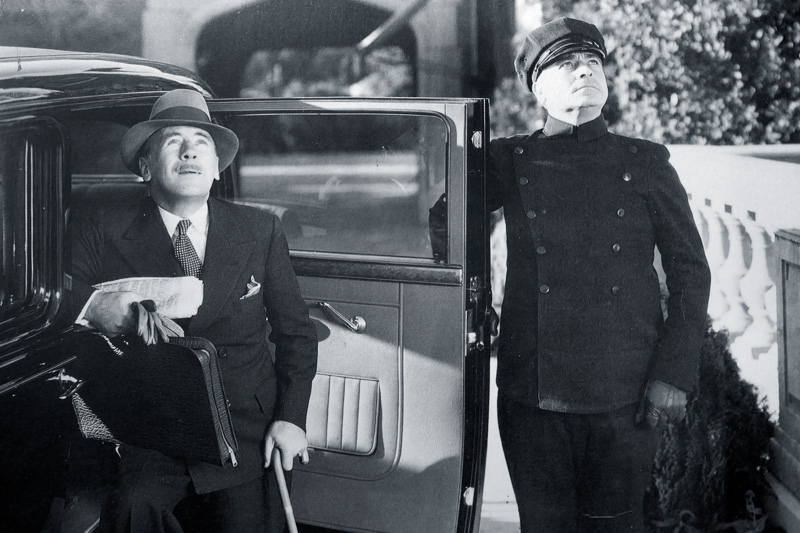
- Choosing a professional mechanic is absolutely unnecessary, even harmful. Unnecessary, because a professional is a factory worker who is unlikely to adopt the correct attitude of any good servant, and the chauffeur is a servant, no more, no less.
- A professional will always keep his habits: Careless dress, letting himself go, improper posture in the seat while waiting, coarse language, etc. This is particularly harmful because it can have a negative influence on the other staff, and bad habits spread faster than good ones.
- In my opinion, the coachman or valet who is made a chauffeur is not entitled to an additional salary. As a coachman he cleaned the horses' hooves, as a valet he cleaned the silver and waxed the parquet; why should he be paid extra for pumping up the tires or putting in fuel?
- With board and lodging, the chauffeur earned at most 100 francs a month, and that is a high maximum. A good coachman earned that much. In what way should a chauffeur be superior to a coachman? Isn't it even more difficult and more delicate to look after, guide and train a horse than to turn a starter crank, fill up with gasoline, change gears, grease the clutch or adjust a valve?
- Gifts or gratuities? Certainly not gratuities. Gifts - yes, because it has become so common, even if the servant is unlikely to thank you for the New Year's gift because, according to his mentality, he takes it for granted.
- When traveling: If board and lodging are not included, it is sufficient to give the chauffeur about 7 francs per day. And if that's not enough for him, you can throw him out or remind him of the times when he earned 50 centimes a day on his farm, knocking stones or collecting dead wood and in the evening he was given bacon soup and a glass of clear water before retiring to an attic room that was less comfortable than a hotel room.
- Car washing: You can ask for this, at least on days that aren't particularly strenuous, especially as it's good for the car and the chauffeur too, who then doesn't go drinking in the first best bistrot.
- If he's not driving, I put my chauffeur in the seat where he'll disturb me the least. That's my only criterion.
- I always buy my own tires and gasoline because it saves me a lot of money.
- Used tires, etc.: I know that certain patrons think that way. But it's a mistake that only encourages careless driving. Did coachmen get the proceeds from the sale of used saddlery? Exactly.
- If you let the chauffeur take care of one or the other, then only against dated and signed invoices. Otherwise it's impossible to check.
- If you come back at one o'clock at night, you can easily ask for the car at nine o'clock in the morning. The mechanic will get up a little earlier or sleep a little less - that's all.
- When it comes to dismissal: the clothes are the property of the car owner. This should not even be discussed.
- The owner gives the chauffeur the livery and determines its cut and color himself. As for the shoes: they are only given to him if his own are too ridiculous. I advise from experience to design the uniform in such a way that the chauffeur doesn't like it. That way, he only wears it while working, which reduces wear and tear.
- In conclusion, I think that chauffeurs are generally allowed to get away with too much. He is a simple domestic servant, but in the early days of the car they were seen too much as technical magicians and thus spoiled. There are enough individuals among the chauffeurs who nonchalantly stand on the running board as if they owned the car and smoke a cigarette - if it's not the patron's.
- In short: you shouldn't worry too much about them, they'll put on less of a show."
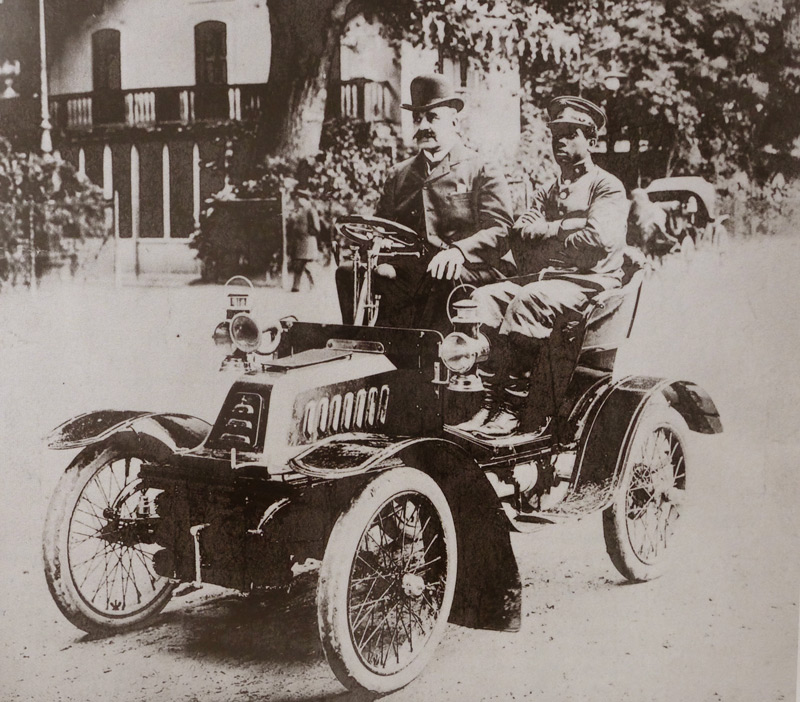
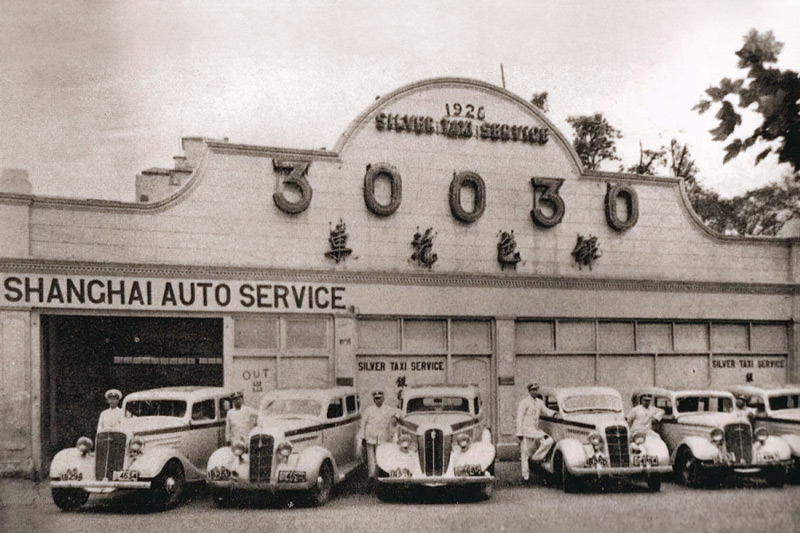
Those were the days. Reading between the lines, it is clear that the chauffeurs began to develop their own professional pride, which obviously didn't suit the patrons at all.
Share this article with your friends!