On back roads through automotive history (2): The "right" to run over animals

It's true: the most beautiful, interesting and sometimes weirdest discoveries are always made on the back roads. This also applies to the byways of automotive history. This series brings you surprising facts from earlier times about technology, design and life with the car.
The following story can be taken from a French newspaper report from 1904:
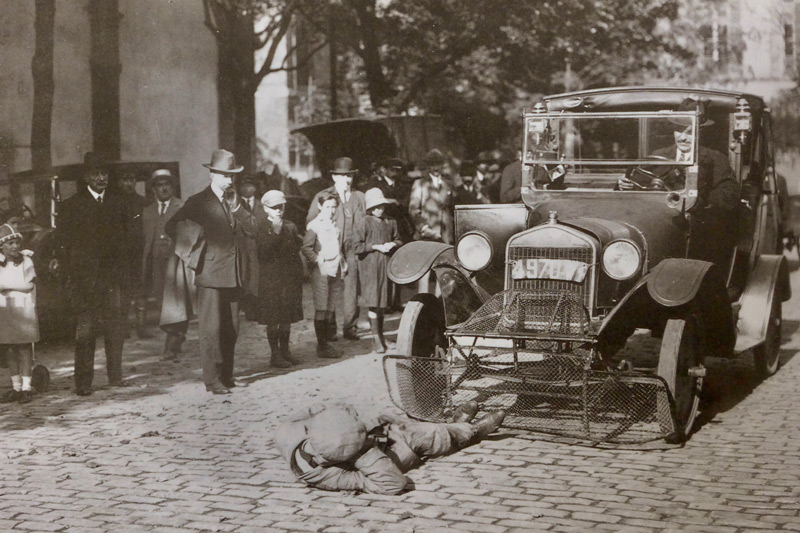
Test with a "clearing grid" for pedestrians (Gerhard Schütz archive)
"When a dog lies stretched out enviably on the road, the correct driver slows down, drives around it or, if that is not possible, stops completely. There are no alternatives to this behavior. You don't run over an animal, you don't run over an animal. Let's say it a third time: YOU DON'T HIT AN ANIMAL.
Do I need to emphasize that this care, which requires the slightest consideration, applies not only to my beloved dogs, but to every living creature on the road, even if it has no right to be there?
Certainly, the street is not a chicken run. But do you have the right to run over a flock of ducklings, those silky little creatures with their tiny yellow beaks, as I had to witness for myself? No, a hundred times no! And the justice of the peace who sentences the brutal driver will find approval from all people who have their hearts in the right place.
I go even further. I believe that any sensitive driver will deeply despise running over wildlife. Sometimes, on hot days, you see something small scurrying across the road, from one quarry stone wall to another, as fast as they can manage with their four tiny legs kicking up the dust: these are lizards, which are panicked by the approach of a car monster. Any attentive driver can see them. Or a toad hopping ponderously from puddle to puddle. I'm not asking you to brake in front of a lizard or a toad, but I am asking you not to deliberately make hooks in order to run over these unfortunate animals. Sparing them always gives us a deep inner satisfaction.
In short, my comments are intended to state nothing other than that the automobile is a peaceful device and not a war machine, not an instrument of murder, however small and modest or even despicable the victim may be.

Pedestrian protection in the old days... (Gerhard Schütz archive)
The pleasure of killing is such a sick pleasure that every car owner must be disgusted by it, especially as today they mostly belong to the upper social class, also known as the ruling class. No honest person on tires would ever accept the right to run over innocent animals, there is no "right" that makes the automobile more hateful than this. Otherwise it would quite rightly be called a public nuisance. There is no more poisonous gift that could be given to our sport."
What the editor-in-chief of "La Vie automobile" wrote here is profound. Obviously, the hatred that many people felt towards the automobile had concrete reasons and was not just a diffuse, anti-progressive reflex. The reference to the role model function of the upper social classes, who were the first to own cars, is interesting.
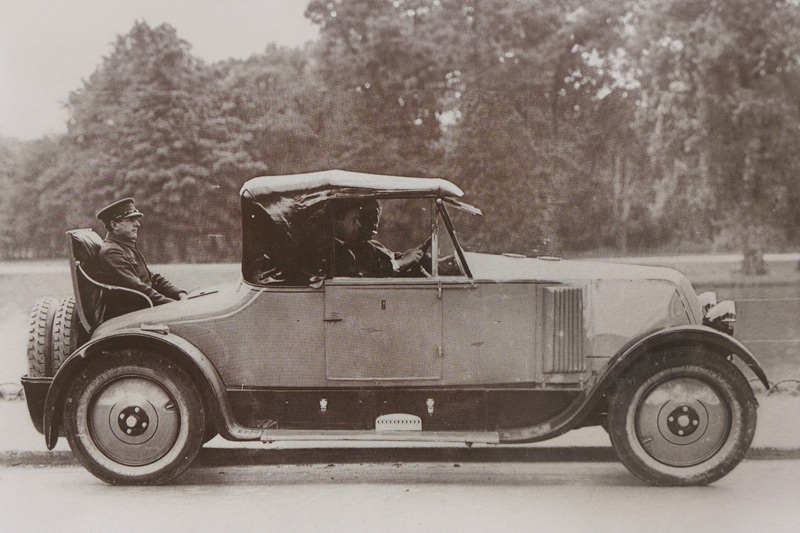
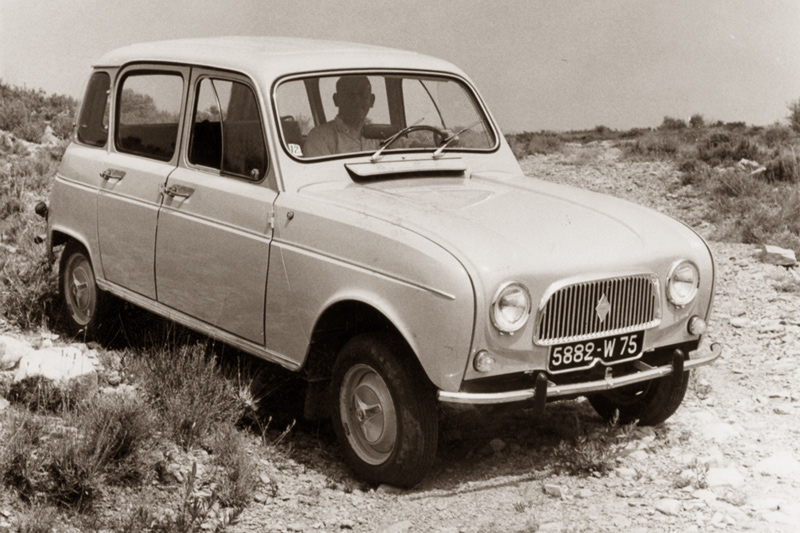
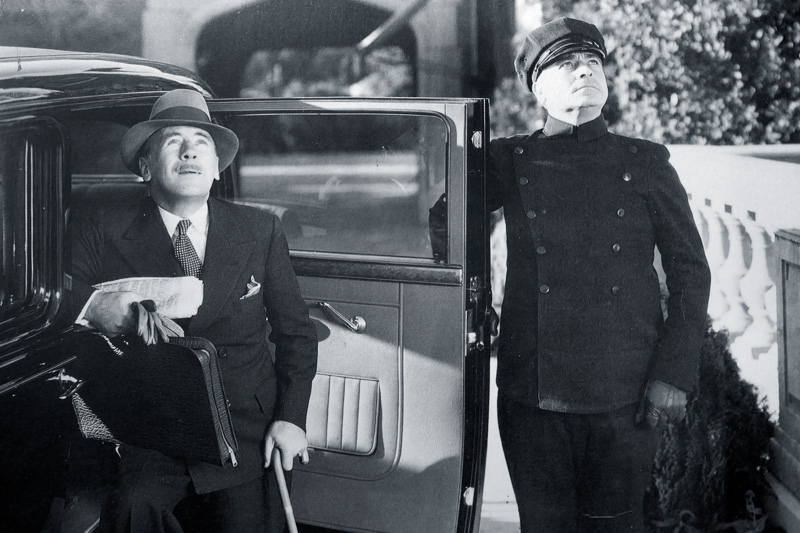
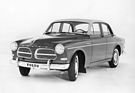
P.S. The pictures have nothing directly to do with the text, but show a technical solution for preventing animals or people from being "run over".