Caution when selling classic cars - pitfalls even without a warranty

Simona fulfilled her girlhood dream and bought a Ferrari 308 GTB from a classic car garage via an internet platform. The coupé was advertised online as being "in exceptionally beautiful condition" and with a "top-restored bodywork/interior".
As usual (in Switzerland), all warranty rights were excluded from the purchase contract (exclusion of liability). As soon as she bought the Ferrari, she collected it from the garage. It stood there beautifully, in classic red. Back at her trusted garage, there was a big disappointment: the car had been badly filled, partially rusted and welded in many places!
Simona immediately sent a registered letter to the seller to complain about the defects. The seller insisted on the contract and Simona insisted on the tempting advertisement. Who put the brakes on whom? The disclaimer, the advertisement or vice versa?
As clear as the initial situation seems at first glance, the result is astonishing: despite the disclaimer being signed by both parties, it was subject to the advertising assurances in the advertisement. The reason for this lies in the trust that the advertisement placed in Simona's supposedly top condition of the 308.
With classic cars in particular, there is a temptation for the seller to only repair the bare essentials, i.e. the obvious defects, so that the car passes the vehicle inspection and receives the veteran's stamp.
However, if the seller presses too hard on the accelerator pedal during the sales pitch or in the advertisement, the deal can "go down the drain" like a good old carburetor.
Simona was able to rely on the negotiations and advertising that preceded the contract. After all, these had a considerable influence on her decision to buy. The seller claimed that he had taken over the vehicle from a third party who had advertised the Ferrari in the same way as he had done in his advertisement. However, this was of no use to the experienced seller, as he should have inspected the Ferrari and been aware of the defects.
Incidentally, Simona's Ferrari purchase took place back in 2005. Nevertheless, the case is still highly topical, as a new ruling from 02.11.2020, 4A_514/2020shows :
The Federal Supreme Court ruled the same way in a similar case at the end of 2020: it concerned a Porsche 356, year 1960, where the seller also had to refund part of the purchase price to the buyer due to defects that he should have been aware of, at least based on his experience. This is because the seller had to assume in good faith that the defects he had concealed could have influenced the decision to conclude the contract. The seller may expect the buyer to inspect the car himself within the bounds of what is reasonable. The seller has a duty to provide information, otherwise the paint on the exclusion of liability is quickly removed. The obligation to provide information only does not apply if the seller could assume in good faith that the buyer would recognize the defects without further ado. This is generally the case if the buyer should have recognized the defects with due attention. In the case of the Porsche, however, the defects identified would not even have been detected during an inspection by an expert, making the exclusion of liability doubly invalid.
The more inexperienced the buyer and the more experienced and "blind" the seller, i.e. the greater the imbalance in expertise, the trickier the exemption clauses and the better the seller must check the car being offered for sale.
Simona won the case in court and the seller had to pay for the repairs to the Ferrari. And for those interested in how much Simona paid for the 308 GTB in 2005 (built in 1977, 31,000 km according to the speedometer), we can reveal this much: Well under CHF 30,000.
P.S. Dr. Rainer Riek is a classic car enthusiast, but also a lawyer and notary at Zwicky & Partner in Zug.
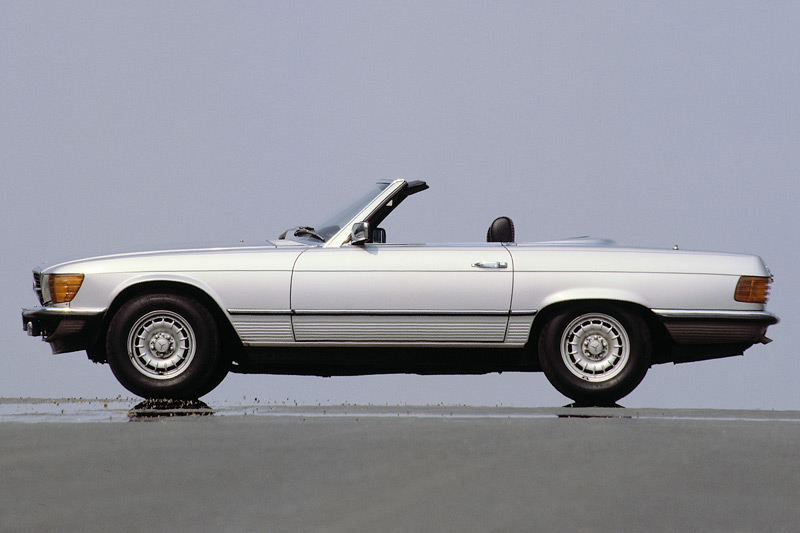
P.S.2 The picture above is a symbolic image and has nothing to do with the case described.