And another neoclassic disappears


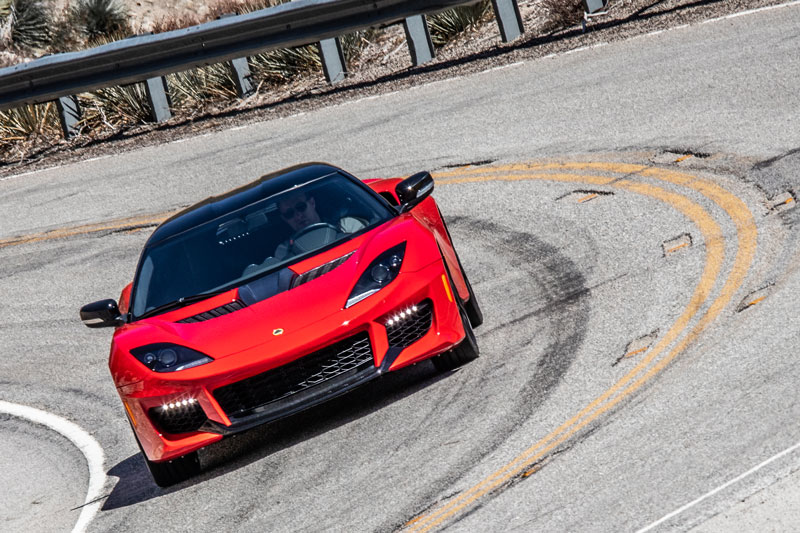
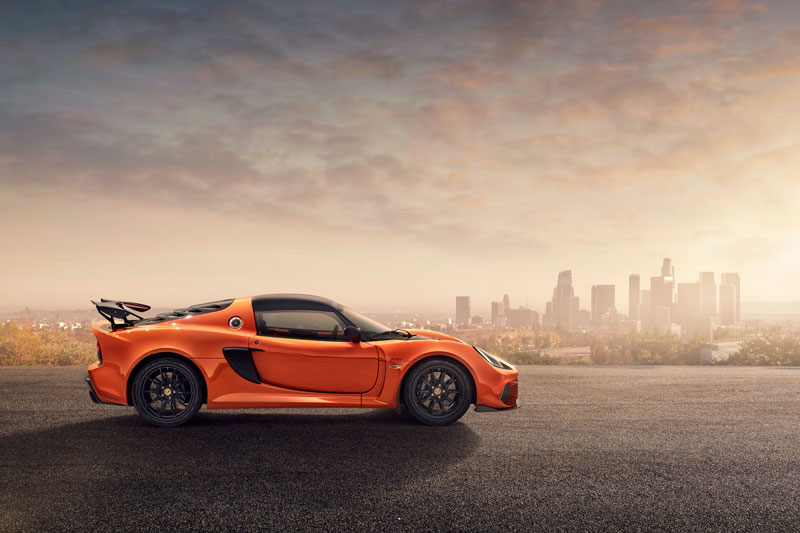
"Elise, Exige and Evora enter final year of production", reads a Lotus press release that reached us a few days ago. For 26 years now, we have experienced the Lotus Elise as one of the last sports cars in Colin Chapman's style, i.e. light, sporty and affordable.
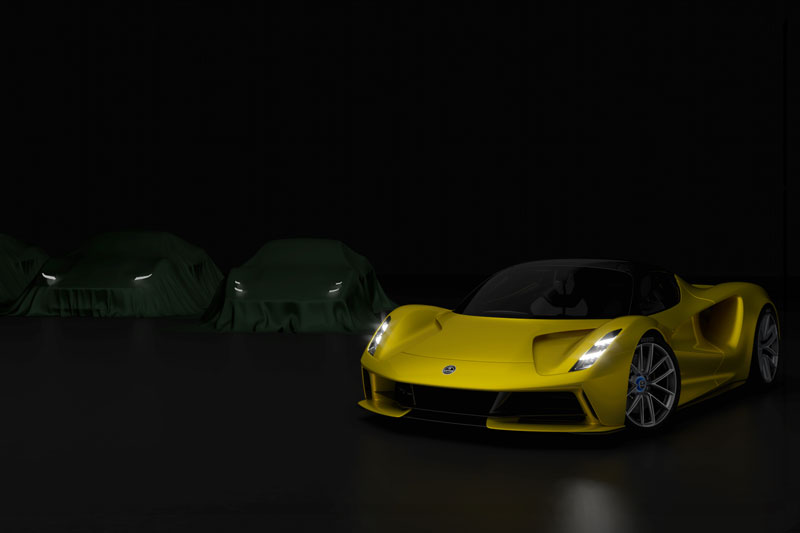
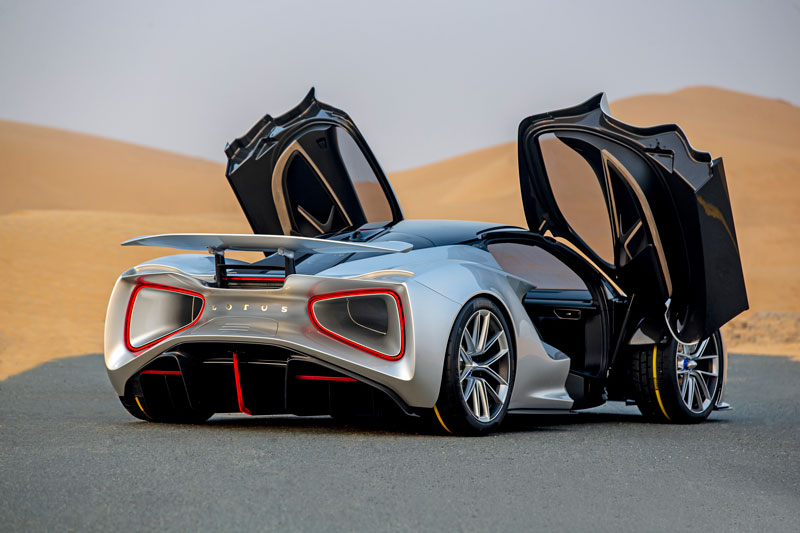
Of course, the new Lotus Evija is no real substitute, even though it has 2000 electric horsepower on its wheels.
And we will only be able to judge how much Lotus/Chapman DNA the new Type 131 will still carry when this new hybrid(?) sports car is launched on the market for a wider audience in a year or two.
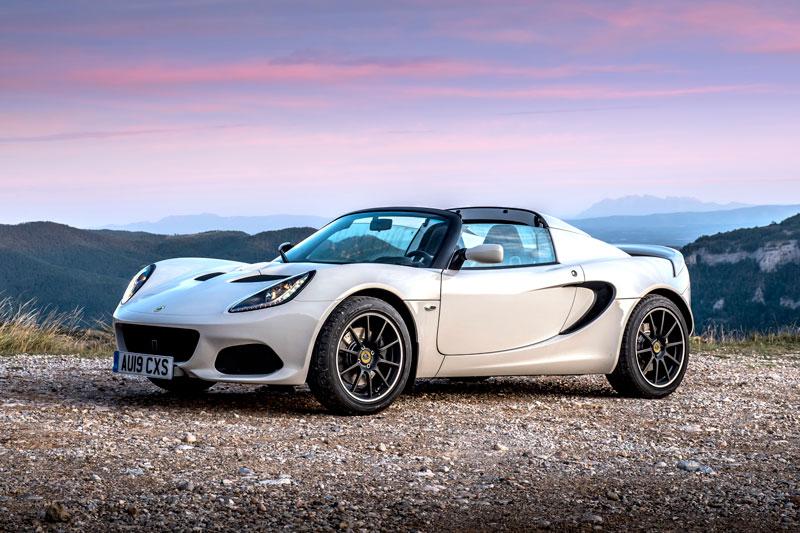
Until then, we will see the final bouquet of the three "E "s (Elise, Exige, Evora), which should ultimately total 55,000 units. In any case, the company Lotus, which is controlled by Geely and Etika, has announced that it will be celebrating the departure with 250 new employees.
At this point, however, we should also take a look back at some of Lotus' milestones:
In 1957, Lotus launched the Elite (Type 14), the first car with a plastic monocoque body
In 1963, the Lotus 25 won the world championship title for the first time, which was also designed with a self-supporting monocoque
In 1970, Chapman revolutionized Formula 1 once again with the Lotus 72
In 1977, Chapman came up with the first wing car with a ground effect (Lotus 78)
In 1981, the first Formula 1 car with a carbon monocoque followed
In 1983, Chapman proved that an active suspension in Formula 1 was the way forward, that active suspension was the future in Formula 1
In 1995, Lotus revolutionized sports car construction with the Elise and its aluminum composite chassis
In 2019, Lotus introduced the 2000 hp Evija
Colin Chapmanhimself sadly died in 1982 at the age of just 54. The list of his innovations and pioneering developments is long and he left many traces.