The balance of electric cars back then


It's hard to believe, but almost 50 years ago, the electric car was already relatively popular! In 1972, Clauspeter Becker summarized the status of the electric caron more than 10 pages for "auto motor und sport", because he wanted to find out "what chances the quiet and emission-free electric motor has in the car". Even back then, there were voices that saw a return to the electric car as the ideal solution to the emissions problem in the face of increasing air pollution. A return because the first electric cars went on sale as early as 1890 and by 1910 there were almost as many cars with electric and petrol engines on the road.
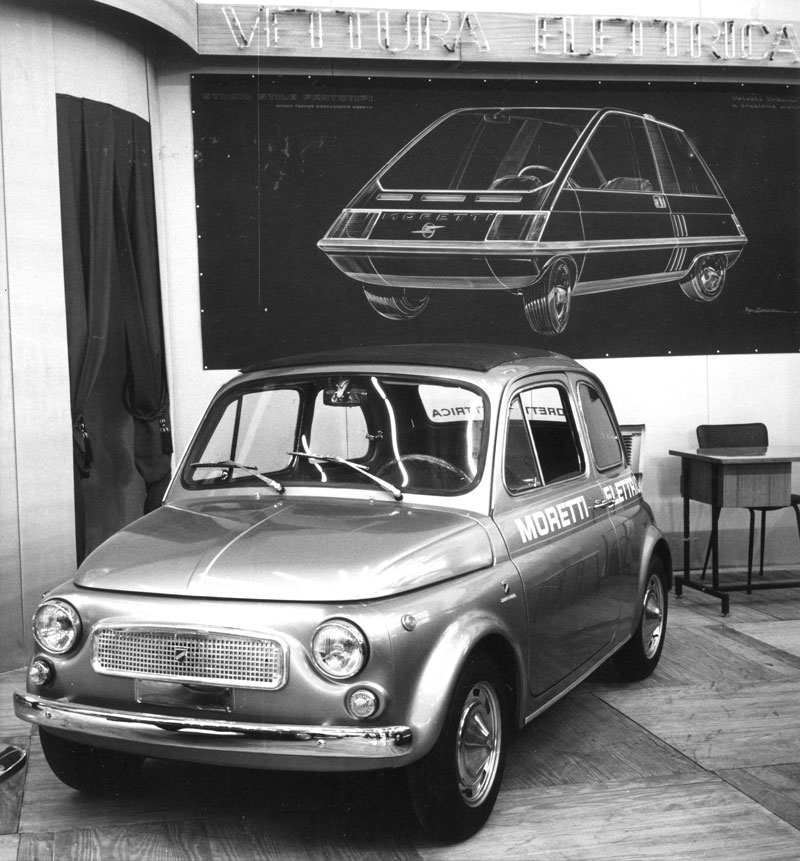
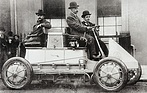
However, as Becker explains, the problems of 1910 and 1972 were almost identical. To store 50 kilowatt hours, either 15 kg of gasoline or 1500 kg of weight was required. The ranges had hardly increased from 1910 (Lohner-Porsche) to 1972.
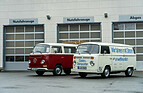
The BMW 1600-2 electric car pictured above, which accompanied the marathon runners to the Olympic Games with zero emissions, could travel 72 kilometers on one battery charge, while a Volkswagen electric van could travel 85 km and the Mercedes-Benz LE 306 even 100 km.
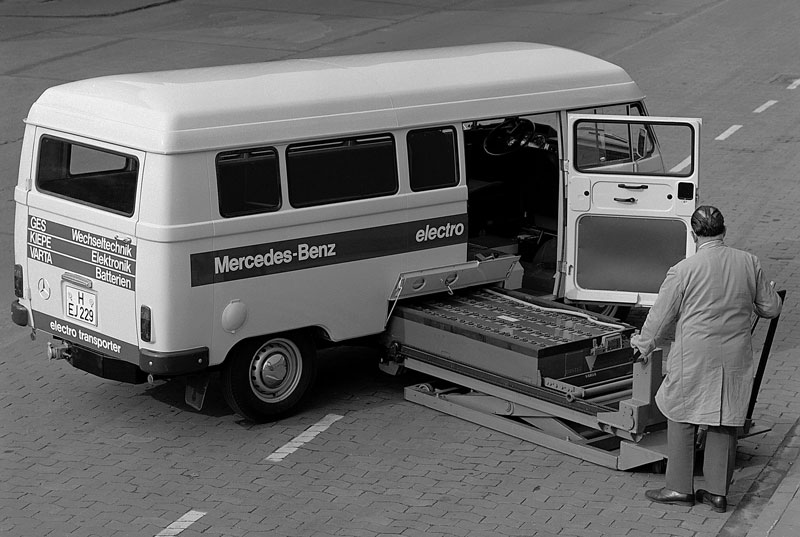
However, it was not possible to drive fast and the batteries were not allowed to be put under too much strain for the sake of longevity. After all, the batteries had improved somewhat between 1897 and 1960; instead of 8 watt hours per kilogram of battery weight, 30 watt hours could now be stored. Hopes were pinned on the nickel-cadmium battery, which would then be able to store 50 watt hours and still be durable. Everything else, including today's most common lithium-ion batteries, were just dreams of the future or not even the subject of research at the time. The situation was similar with the fuel cell, but this technology was also given little chance at the time because it was neither small enough nor able to withstand the typical loads in a motor vehicle.
The electric motor was also not yet mature enough, as a DC motor, as used in the BMW Electric 1600-2 in 1972, produced 43.5 hp and weighed a full 85 kg. With auxiliary units, it was almost as heavy as a much more powerful four-cylinder gasoline engine. In addition, the maximum output could only be called up for a short time due to the risk of overheating.
Nevertheless, there were optimists, RWE (Rheinisch-Westfälische Elektrizitätswerk) being one of them, who estimated that around one million electric cars would be on German roads by the year 2000.
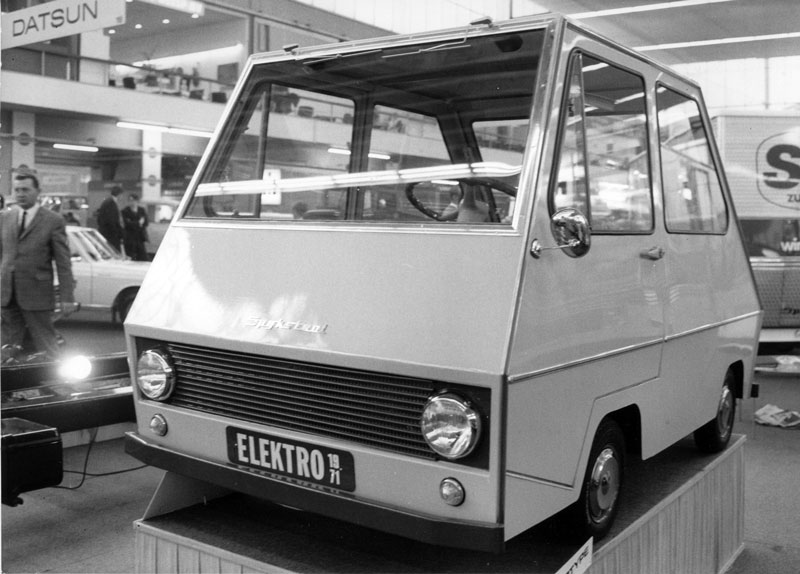
They were to be used primarily in inner-city traffic, where range and performance were seen as less of a problem. However, substantial government support was hoped for.
Some of the things that Becker documented almost 50 years ago still seem very familiar today, even though battery technology has made enormous progress (today, lithium-ion batteries can store up to 265 watt hours per kg) and motors have become many times more powerful. The improvements in motor control have also been enormous, but at the same time the vehicles have become significantly heavier as safety requirements have become more stringent.
Overall, the progress that has been made in the last 10 or 15 years is probably much greater than that made between 1896/1910 and 1972. Accordingly, we can also expect that with the current level of investment and political pressure, much more can be achieved.
But as Bill Gates said many years ago? "We overestimate what is possible in two years, and we underestimate what can happen in ten years ..."