Dear Toni Piëch


Our admiration is assured. Launching a sports/luxury car brand in this day and age with the aim of producing 10,000 vehicles per year is definitely a heroic endeavor. As car historians, we know this particularly well, because over the past 12 decades we have seen thousands of car brands die, but only a small number survive.
And in the sports car sector in particular, there is an extensive list of entrepreneurs and companies that have tackled something similar to you. Want some examples? Artega, Asa, Ascari, ATS, Bugatti (EB 110), De Tomaso, Hommell, Iso Rivolta, Monteverdi, Saleen, Serenissima, Spectre, etc. Some were more successful, others barely survived for a few years (or months), a few survived for decades. But they all failed in the end. And it's probably no coincidence that TVR went bankrupt about a handful of times over 50 years.
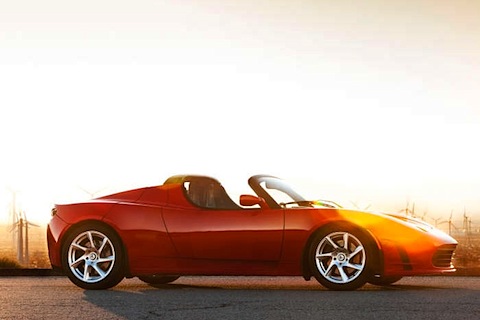
Of course, you are building on a well-known and interesting "brand", so engineering expertise is almost guaranteed, even if you declare confidently that you are not actually a particularly talented designer. Perhaps you don't have to be these days, because a clever combination of technologies and components can certainly produce a quite acceptable sports car. Tesla has shown this with the Roadster and others have also followed this path.
However, our latest surveyshows that tradition is important to many new car buyers. Is a name enough to signal tradition? Wouldn't you have to have a lineage of successful cars to convince traditionalists? And the fact that Hispano-Suiza wants to present a new sports car at the same time as you in Geneva doesn't make things any easier.
If I remember correctly, you said in an interview that you will need half a billion to complete your fleet of cars (in addition to the sports car, a saloon and an SUV are also planned). A lot of money. Some of the faded sports car brands mentioned above had to make do with significantly less money. But many have failed not because of financial reserves, but because of the market, energy crises, changing buyer needs, quality problems, incomprehensible product decisions, etc. ...
They rely on electric motors for propulsion and new battery technology. This is in line with the trend of the times and is certainly PR-friendly. But will it convince sports car buyers? And whether your products can stand up to the almost immeasurably high quality demands of today's wealthy buyers? The days when you could use customers as test drivers, as Lamborghini or others did in the 1960s, are certainly over. But quality costs money, and long-distance tests in a wide variety of climatic zones are costly and time-consuming. And like any young manufacturer, they have to be in a hurry to get a product onto the market. A tricky problem that I don't envy you.
Of course, we think it's great that you want to break new ground. We did the same with zwischengas.com when we wanted to prove that you can do more online than just "story telling" and picture galleries, that Internet readers also appreciate fact-based and comprehensive reports. They think differently than the big manufacturers, they don't see drive technology as the center of their brand, but want to convey emotions. We are excited.
We will of course take a look at your Piëch Mark Zero in Geneva, after all, as Swiss we are looking forward to seeing an (almost) Swiss sports car being built once again. Good luck in Geneva!