When Dinitrol began to be injected into the cavities


Today, no (modern) car buyer could imagine taking their car to a specialist garage for a cavity protection treatment before driving it for the first time.
This was different 50 years ago, when rust was one of the biggest enemies of car longevity, especially in self-supporting constructions. Careful car owners protected their cars with a Dinitrol treatment, for example. They also liked to make this known with a sticker (see above).
The idea of intensively protecting cavities originally came from the Scandinavian countries. As early as 1951 to 1954, the ML method was developed in Sweden, in which a rust inhibitor is sprayed into the cavities of a car at high pressure. In 1954, a breakthrough was achieved with Dinitrol 33B. And this Dinitrol and the associated treatment method soon found their way to us.
In 1968, Automobil Revue explained the modern cavity treatment in an article and estimated the treatment price for a mid-range car at around 150 francs.

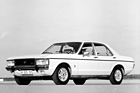
And that's how the Ford Capri S pictured got its cavity protection. In the 1970s, however, the treatment was probably already somewhat more expensive, but many car buyers still chose this protection option to ensure a long life for their car.
Today we are grateful for it!