The classic car of the future - it's not just electronics that cause problems

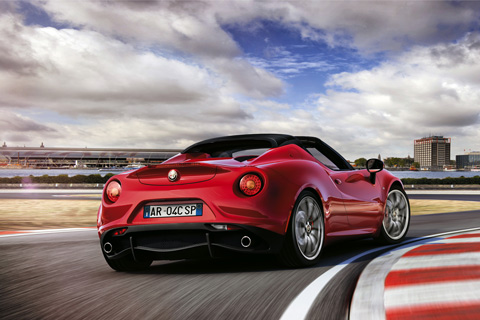
When people discuss whether today's cars will one day make it to classic car age, electronics are usually the number one risk at the center of the discussion.
However, it is not only electronics that make the survival of modern cars uncertain. Over the last thirty years, the structure of a car has changed considerably. Car bodies, for example, are now made of a wide variety of materials with the desired strength and lightness to provide the desired deformation behavior, the necessary strength and the expected stability. Anyone who has ever had to repair major accident damage to a modern car knows that this no longer primarily involves working with standard sheet metal/steel parts, hammers and welding equipment, but that original spare parts have to be replaced in accordance with the manufacturer's precise instructions. A door sill, for example, can be made of different types of steel and aluminum, a front carrier can be made of a variety of materials. Repairs without the correct spare parts are hardly possible, or in any case less good than the original condition.
The many integrated components, be it a dashboard unit, a rear light or the seat, can often not be repaired in the conventional way, but must be replaced as a whole. This will only work if flawless spare parts can still be supplied in the future. Plastic parts become brittle over time because they lose their plasticizer content. The large number of different designs will prevent these parts from being reproduced in small quantities across the board. And then there are the electronics and software problems.
So how a classic car owner will keep his Alfa Romeo 4C or Porsche 991 alive in 2047, if he is still allowed to drive it at all, is still written in the stars ...



.jpg)