Driving a classic car in the year 2030

Bill Gates is reported to have once said something like: "We usually overestimate what will happen in the next two years, but at the same time we underestimate the changes that will happen in the next ten years."
If I follow the current discussions on the subject of "autonomous driving", then we are facing exactly this dilemma, except that it is perhaps five or fifteen years in which the overestimated and underestimated changes will take place.
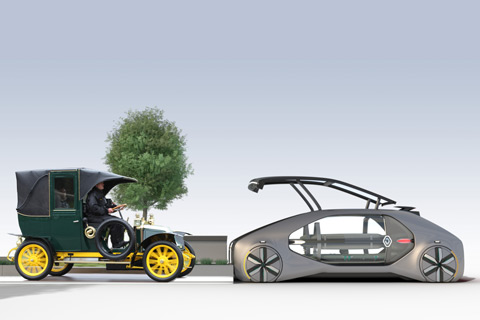
So what might classic car driving look like in 2030, around 15 years from now?
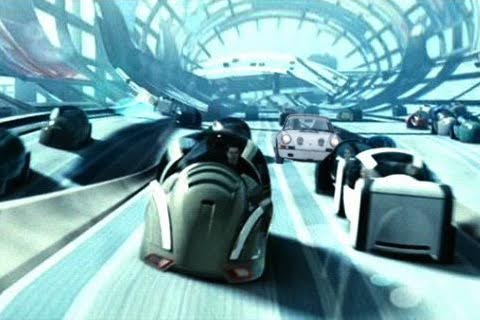
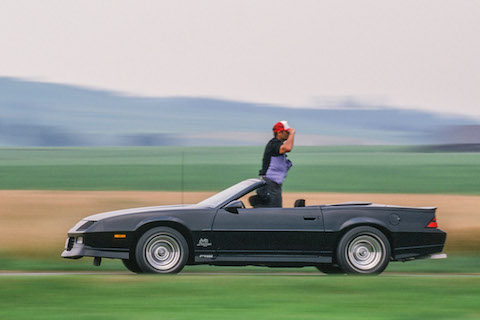
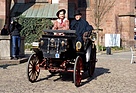
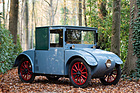
First of all, the cars that we drove as new cars just a short time ago will already be classic cars, e.g. a Porsche 996, BMW Z8 or a VW Golf V. At the same time, the oldest motorized vehicles are already 140 years old and the pre-war vehicles of the 1920s and 1930s are around 100 years old.
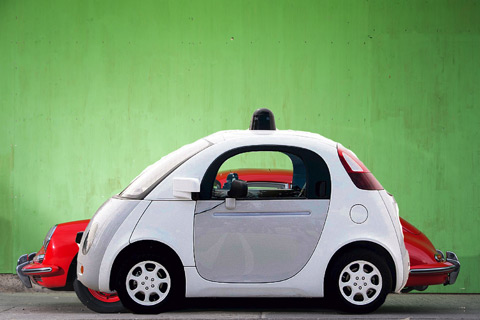
Vehicle density and traffic are hardly likely to decrease until 2030, with hardly any additional roads being added. To counteract gridlock, traffic planners and governments are focusing on driver assistance systems and vehicle-to-vehicle communication. This allows for a significant increase in traffic density and computer-controlled minimum distances to the front and sides. The cars move as if on rails, so to speak, controlled by all-encompassing assistance systems.
Where will the classic car fit in? Of course, there will (hopefully) still be older vehicles on the roads in 2030. They will probably have to be given their own lanes, but at the same time be denied access to the tightly packed main traffic arteries. Who wants an old car driving behind you when you are driving through a highway tunnel with a 20 cm gap between cars and automatically stop when the car in front stops?
Roads will be completely closed for classic car tours and rallies and other traffic will be (automatically) diverted. And in 2030 there will be actual reservations, i.e. road systems where classic cars are welcome. They will be taken there by trailer and then you can let off steam without fear of autonomous cars.
However, this will all cost a lot of money, because closing roads or setting them up specifically for old cars will still be expensive in 2030. So more old cars than today will probably be condemned to stand still or use one of the various indoor driving facilities to at least give off some engine heat.
Will that all happen? We don't know, but we look forward to hearing alternative scenarios from our readers ...