Classic pearls of the future - Ford GT

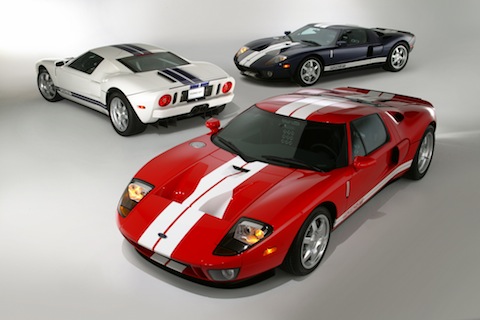
You probably don't have to be a great soothsayer to predict the success of the Ford GT, built from 2004 to 2006 in 4038 units, as a classic. Auction prices today are already on a par with the original price at the time (or sometimes even higher) and you can hardly pay a 10-year-old production vehicle a greater compliment.
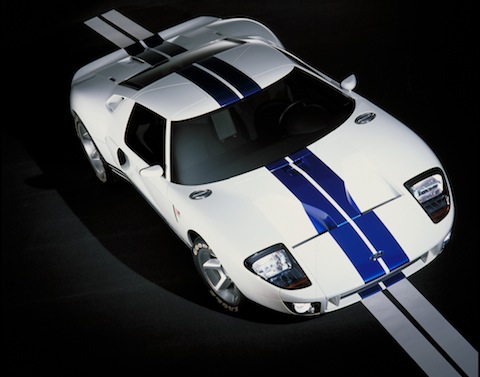
The mid-engined sports car was first presented at the Auto Show in 2002, when it was still called the GT 40 Concept. And the similarities in appearance and technology to the legendary GT 40 of the sixties were obvious. However, the car had grown a little in all dimensions; after all, normal-sized Americans should have no problem finding room in the car, which is actually quite narrow. As with the original, the doors extended far into the roof. The interior was also a blunt reference to the original GT 40.
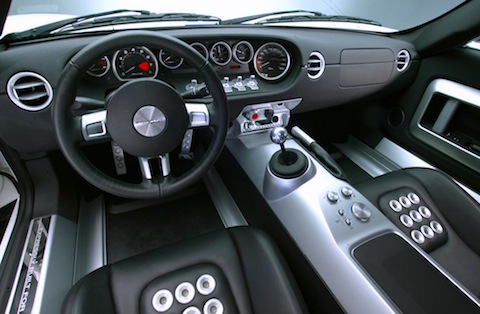
From August 2004, the first customers received the new Ford GT, which was no longer allowed to be called the GT40 because Ford was unable to buy back the rights to the name.
The GT, usually painted in two colors with a center stripe, looked good and ran accordingly. The eight-cylinder engine behind the crew produced 550 hp and the power accelerated the car from 0 to 100 km/h in around 4 seconds. The top speed was given as 330 km/h (electronically limited). At just over 1500 kg, the Ford sports car was not even particularly heavy, which can also be explained by the extensive use of aluminum and modern materials.
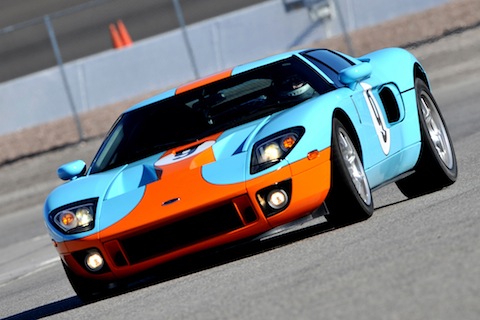
The GT cost around USD 177,000 in 2004, with some examples also coming to Europe. To make the heritage even more visible, GT models with classic racing paintwork from back then were offered.
Sales did not quite meet the expectations of the Ford makers. Demand had been high at the beginning, but fell drastically over time, so that the last cars were sold as new cars long after the production date and the original target of 4,500 cars could not be achieved. But this was also the case for other supercars.
The Ford GT could even be seen in racing, mostly built by private teams. The really big successes failed to materialize.
Jeremy Clarkson from the BBC show Top Gear was one of the prominent owners, but his initial enthusiasm increasingly turned into frustration with the "only real sports car in the USA" due to various problems.
More classic gems can be found in the corresponding theme channel.