The end of the "special" classic car

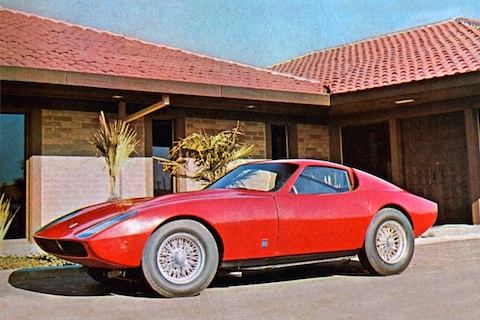
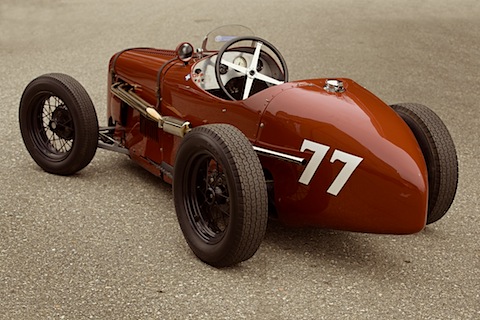
Before and after the war, resourceful hobbyists built individual sports cars by bolting a fast body onto an existing and partially optimized chassis. The basis came from an Austin Seven or an MG TD, for example, and later the VW Beetle provided a suitable platform for all kinds of conversions, from buggies to sports cars with gullwing doors.
The year of construction of the frame, or rather its first registration for road traffic, determined which legal registration regulations were to be applied. And nobody would have imagined at the time that a buggy built in 1975 on a 1959 chassis would have to be refused registration because it did not meet the 1975 regulations.
In 2012, however, the Swiss amended their Ordinance on the Technical Requirements for Road Vehicles (VTS, 741.41). Since then, it has contained the following provision:
Art. 458 Applicable law in the event of amendments to this Ordinance
1 Vehicles that are already on the road when an amendment to this Ordinance comes into force must at least comply with the requirements that applied when they were first placed on the market. Transitional provisions that provide for a retrofitting obligation remain reserved.
2 Subsequently introduced facilitations may be claimed if the associated conditions and requirements are complied with.
3 If major modifications are made to vehicles already in circulation, these shall be assessed in accordance with the law applicable at the time of the inspection prior to further use (Art. 34 para. 2). Major modifications are in particular
... 1. modifications that change the concept of the vehicle, such as the replacement of entire bodies or the installation of drive units that do not originate from the era of the vehicle;
.... 2. modifications that impair road safety, such as the retrofitting of dangerous aerodynamic add-on parts.
This provision is a tough one because, interpreted literally, it quickly becomes a "concept modification". And from the concept change it is derived that the vehicle must comply with the legal requirements at the time of the conversion. Of course, no vehicle with technology from the thirties, fifties or sixties can meet today's safety and environmental requirements.
Now you could say that hardly any new buggies are built these days, but what happens when a vehicle is restored after a long period of use and its history can no longer be fully traced? A special with a pre-war chassis hardly meets the regulations of the 1990s, so registration can become an insurmountable obstacle, especially for imported vehicles. With the new regulation, even vehicles that would have been eligible for registration in 2010 are now rejected by the authorities. And even vehicles that have been parked for a long time can suddenly become a problem when trying to be re-registered. And we are not talking about special veteran registrations here, but about normal road traffic licenses.
Incidentally, this is handled much more liberally in Germany, where the year of construction/registration of the frame still counts. And as long as the modifications were made in the style and with the components from the era, even H-approval is possible. Other countries are even more flexible. There is no uniform regulation in the EU either, the views of the individual countries regarding registration per se and classic car registration in particular are still too different. If these regulations are harmonized in the EU, it is to be hoped that the provisions will be defined less rigidly than in Switzerland and then the (automatic) adoption of these laws in Switzerland would perhaps even ease the situation.
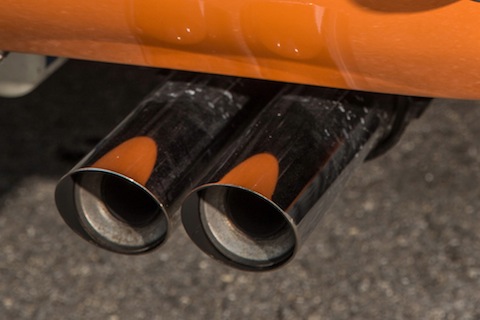
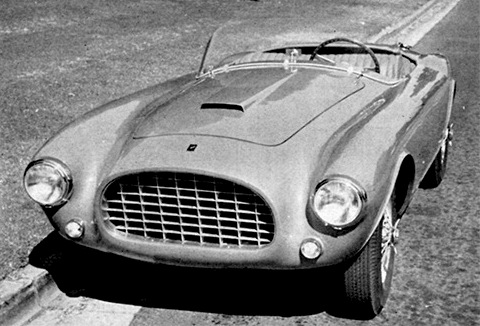
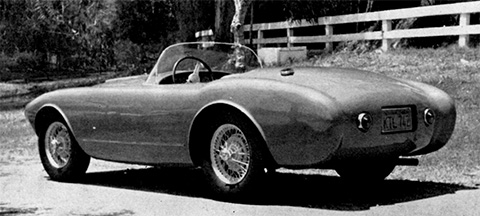
Note: The color picture shows a Fiberfab from the late sixties, the black and white pictures show a Hawk MG Special based on an MG TD, as it was shown in Road & Track magazine at the beginning of the sixties.