When there was still a dipstick

In 2013, the title of this blog post may still come as a surprise, as many cars are still delivered with an oil dipstick. But even now, some cars have to do without it. Instead, there is now the option of measuring the oil level electronically via the on-board computer. What at first glance appears to be an ease of use and a convenience feature soon turns out to be a nuisance when actually used.
"Wait 2 minutes, the engine must be warm", says the computer and leaves you sitting and waiting idly. After a while, a symbolized oil dipstick actually appears on the LCD screen, or the text "Please top up". Of course, you follow the request and pour 0.5 liters of Longlife oil, which is now more expensive than a really good bottle of Burgundy, into the filler neck.
And then the game starts all over again. Because of course you couldn't immediately check in the engine compartment whether the half liter was enough, no, you have to ask the computer to measure again. If you're lucky, the amount you've filled in is enough and a scale symbol appears, which is rather imprecise. However, if the computer is still not satisfied or there are problems with the sensor, then the driver has to pour more oil into the engine with considerable concern. There is no manual control option.
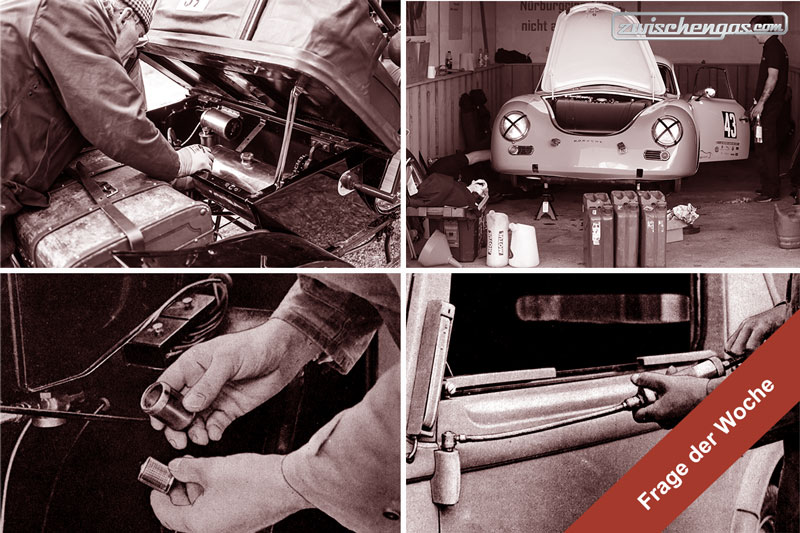
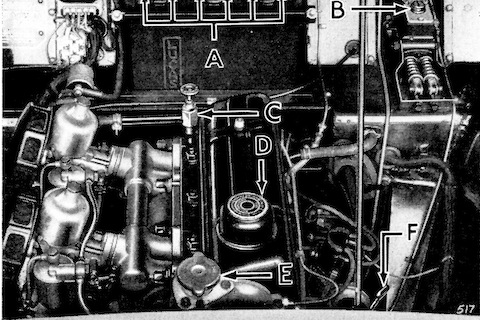
These systems are really only practical when they are not needed. But when well-known large-scale manufacturers of premium automobiles consider an oil consumption of up to 0.7 liters per 1,000 km to be unproblematic and therefore require frequent topping up, then the fun stops. At this point at the latest, the conventional oil dipstick, as shown in the picture of the Triumph TR2 (F), is preferable to modern solutions. This is also because you know where you stand within seconds and also because the dipstick not only shows the oil level but also the health of the oil. And pulling out this simple measuring device is a nice tradition anyway ...