When the future becomes the past

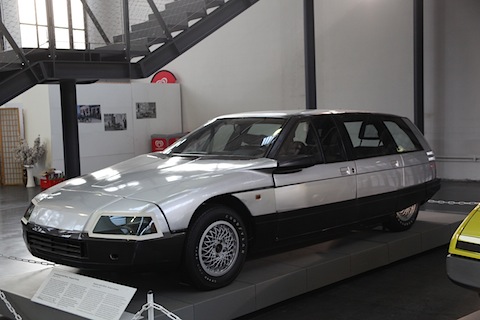
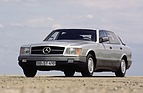
In 1981, a group of German universities presented a research vehicle called the Uni-Car, or "Car for the Year 2000".
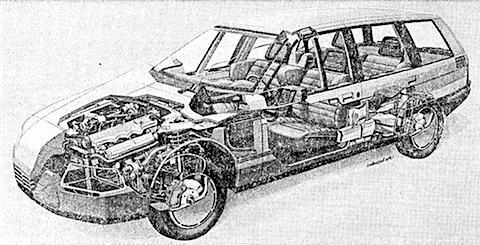
The state-sponsored project materialized in four prototypes that were bursting with innovation. The vehicles had sophisticated aerodynamics - the Cd value was determined to be 0.24 -, economical turbocharged direct-injection diesel four-cylinder engines- the engine block and crankshaft came from Citroën, the rest was developed by MAN -, a continuously variable automatic transmission and tires that could also be driven without air. In addition, great importance was attached to passive safety, with the front end designed to be deformable to guarantee a pedestrian a better chance of survival in the event of a collision.
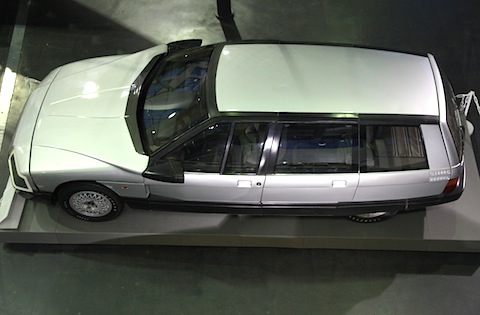
The large and spacious car, which weighed 1,375 kg ready to drive, was designed to reach 100 km/h in 13 seconds, travel at 190 km/h and consume an average of 6.55 liters of diesel per 100 km.
Many of the innovations found their way into series production sooner or later.
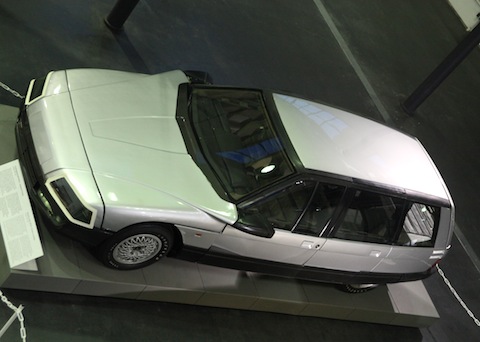
An example of the Uni-Car can be seen in the Transport Center of the Deutsches Museum in Munich. Automobil Revue published an extensive report on the research car in January 1982 .