Numbers in your head? (Quiz)

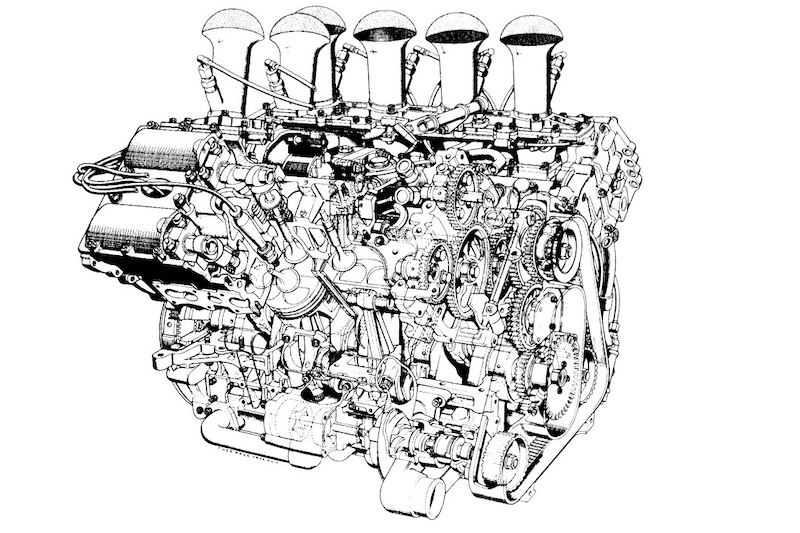
As teenagers, we made the Automobil Revue catalog our bedtime reading. From small, black and white pictures of questionable quality and endless rows of technical data, we created our first automotive universe. Figures were important, and the exhaustive retrieval of performance values for various models determined the status of "connoisseur" or "wannabe" among our friends. So some of these values have remained, along with the corresponding engine capacities of the models of particular interest. I still know some of them by heart today, such as the displacement of the 1200 VW engine or that of the Citroën Traction Avant 11CV.
What is surprising from today's perspective is that there are far fewer absolutely identical displacements among the various manufacturers than originally assumed. Of course, thanks to the modular system and many cross-brand collaborations, there are far fewer independent designs in use today. But even in the 1960s, people were still amazed at how unique the various engine designs that were ostensibly competing against each other in the same displacement class actually were. It is equally interesting to see how the different tax models were reflected in engine construction.
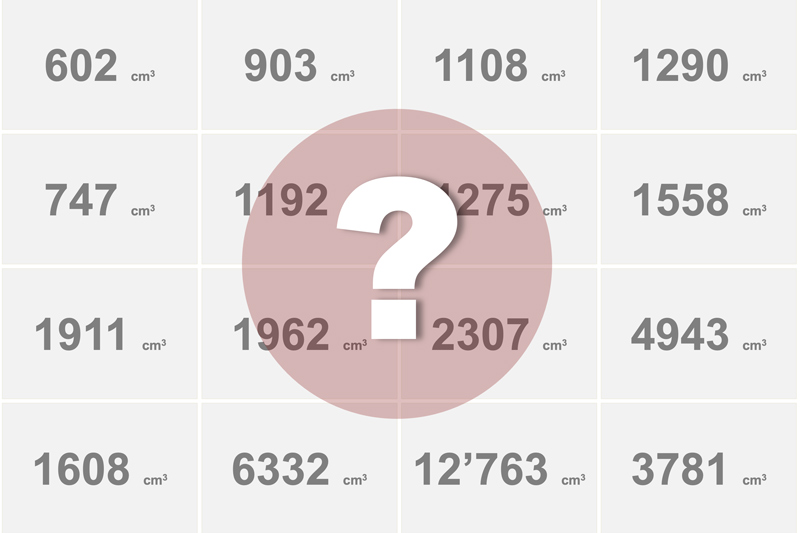
For example, in France, where the Chevaux Vapeur (CV) tax formula often took no account whatsoever of displacement limits and thus elsewhere in Europe condemned the owner to pay the higher tax class because of 5 cubic centimeters. Or in England, where the piston bore was given such great weight when calculating the tax that, thanks to a long stroke, it was possible to operate with decent displacements without ruining the owners. Or in Germany, where it played a decisive role whether the duck actually had a displacement of 602 cc or only 597 cc according to the tax formula. Some of these figures will stay with you, so perhaps some of you will ring a bell here or there when solving our latest puzzle, because these figures are not futile attempts to unlock our cell phone, but the displacements of well-known and somewhat less well-known engines from the last 100 years or so of automotive history. CLICK HERE FOR THE QUIZ! Have fun!