How Studebaker (almost) came to Nissan

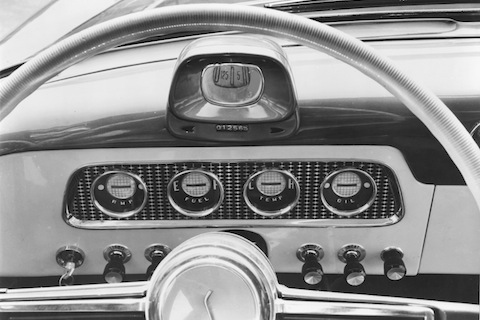
Although outwardly modern, the Studebakers of the 1964 model year could no longer conceal the fact that an eleven-year-old design lay beneath the elegant bodywork. However, there had been no money for a new development for at least as many years. Funds were so tight that even visual retouching had to be dispensed with for 1965.
The advertising department did its utmost to advertise this need to save money as something positive. In other words: "Your new car doesn't look old - your old car still looks new." This prompted many potential buyers to ask why they should buy a new car at all. As a result, sales fell from almost 50,000 to less than 20,000 - too few to ever be profitable.
In a last-ditch attempt to prevent the remaining 1,500 dealers (of which only around 200 supported another brand) from losing their livelihood, the Board of Directors decided in the summer of 1965 to sell cars imported from overseas in North America as Studebakers. As the brand from South Bend had always seen itself as a manufacturer of high-quality, sensible cars, there was of course only one country of origin: Japan.
Gordon Grundy, President of Studebaker of Canada, was then sent to Yokohama to negotiate a partnership with Nissan. The talks went well ... until Studebaker's legal representative - a certain Richard M. Nixon - instructed Grundy on behalf of the board of directors to approach Toyota at the same time. Instead of doubling the chances of success, he ruined everything that had been achieved so far.
Toyota - long since informed by an informant at Nissan - was not happy about being second choice and refused to meet with Grundy. Nissan, on the other hand - long since informed by a whistleblower at Toyota - was deeply offended that contact was secretly made with a competitor during ongoing negotiations and broke off all talks.
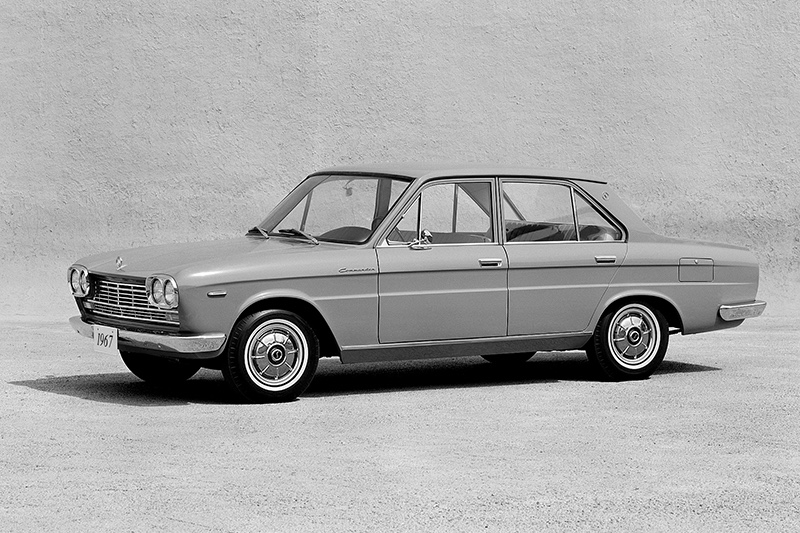
Grundy therefore returned to Canada without having achieved anything, where a Studebaker badge was applied to a car for the last time on March 17, 1966. What remained were less than 9,000 examples of the final year - and the question of what could have been had the partnership materialized. A Nissan Cedric relabeled as a Studebaker Commander can be seen in our photo montage above.
The Nissan President wouldn't even have had to be renamed to revive the old Studebaker top model. There might even have been a left-hand drive Studebaker Skyline GT-R on the US market legally. Then fans from all over the world wouldn't have to scramble for the few Japanese examples today. And then maybe I would be able to afford one...