More models and brands - but less variety

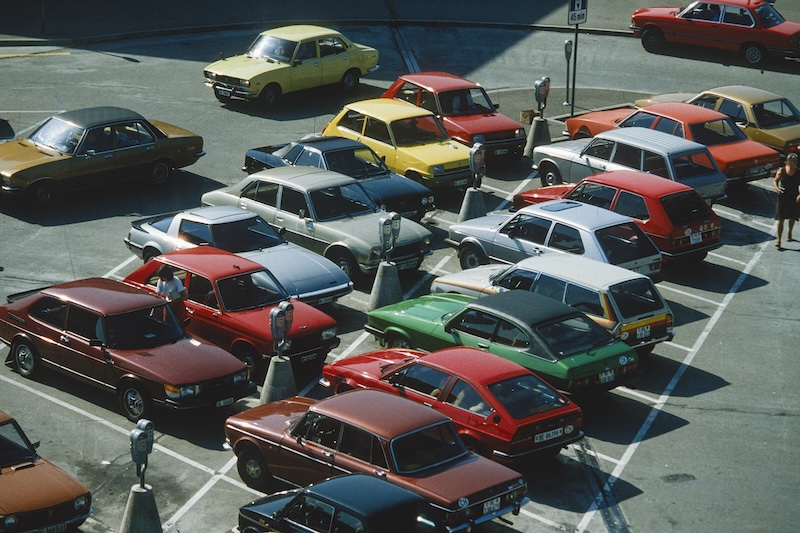
For a story in a slightly different context, I researched some figures on new car sales over the past few decades. I noticed something in the process: The bestsellers - or in new German: the top ten - used to take up a significantly higher proportion of the total volume sold. So if a model was successful, it was seen on the road much more often than seems to be the case with bestsellers today. The same cake is obviously cut into much smaller pieces.
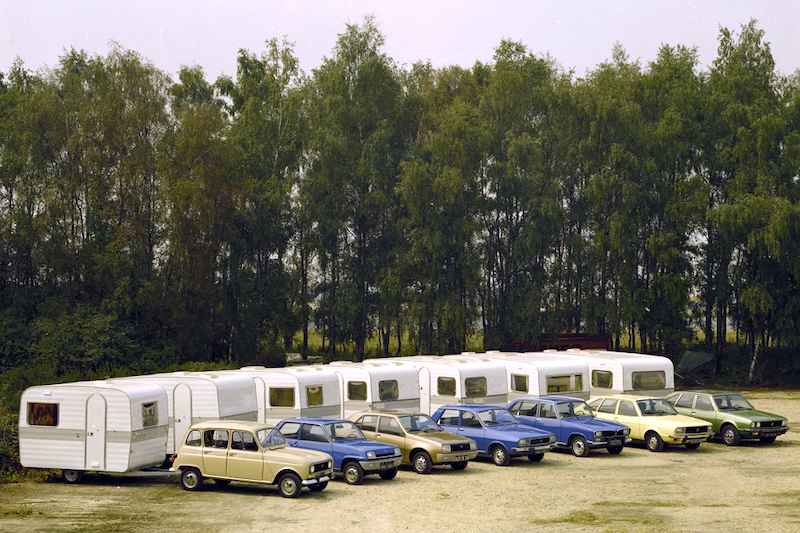
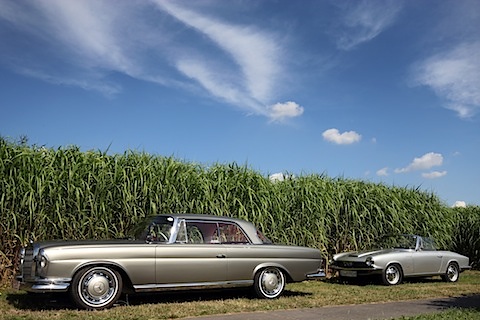
If you then compare the model ranges of then and now, you get an explanation: people used to be content with a much smaller number of models. Luxury manufacturers made no attempt to "poach" in the smaller car classes and SUVs and the like were a long way off. Some didn't even sell a station wagon, the corresponding saloon was enough. Today, the model ranges are much more extensive, although the number of body variants has now decreased again. In the case of SUVs in particular, there is usually only one, and it has five doors. New two-door models and convertibles are no longer to be found in high-volume models.
However, it is a misconception that this has increased diversity. The keyword here is modularity. As a result, there are only a few platforms left within the large groups on which an entire universe of different models is built. The Volkswagen Group or Stellantis send their regards. And that's not all. In a car with a longitudinal engine and rear-wheel drive, you can be sure that a multi-link axle is installed at the rear today. There are still a few exceptional models that can boast double wishbones at the front, but the standard here is the axle with MacPherson struts. However, this is standard for front-wheel drive cars anyway, and there are almost no deviations. The only thing worth mentioning is Stellantis, which has a pseudo-MacPherson axle. This means that a separate steering knuckle sits on the suspension strut instead of it turning as a whole when steering.
The rear axle on cars with a transverse engine is often referred to differently, but is usually nothing more than a twist beam axle. It doesn't cost much and does its job quite well. In short, although there is a wide variety of models, there is little technical difference between them.
And if we leave out the combustion engine for the time being, then it will probably be as an engineer told me during a visit to Rolls-Royce in 2011: "An electric motor of the highest quality hardly runs any better than one of lesser quality, so in future the distinguishing features will have to be worked out elsewhere than in the drive". The answer is now known: With software, even more connectivity, some kind of features and services that the car can also take on - and the sound comes from the loudspeaker.
To me, this sometimes seems like a meal made from the same basic ingredient that is then transformed into this or that dish using flavorings. But perhaps I tend to exaggerate.
Picture: Parking lot in Bern (?) in 1985, you can see cars with in-line boxer and even Wankel engines. With rear rigid axle, twist beam or longitudinal swing arms, even with hydropneumatics, not only the colors showed more variety. © ETH e-pics