Why a simple fuel filler cap was better than the modern fuel filler flaps

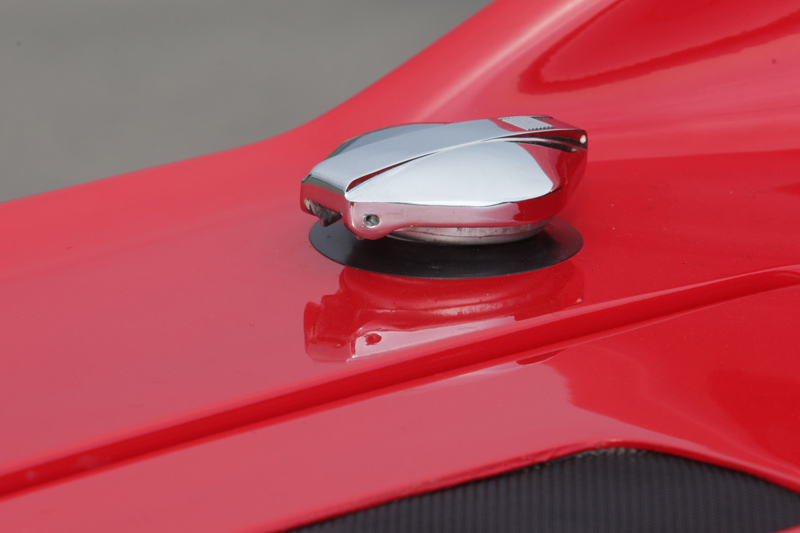
It's been a while since cars with visible fuel filler caps were on the road. Depending on the car, these were screw-on or hinged variants and they worked.
In modern times, fuel filler caps (or charging sockets) are almost always hidden under a flap, which helps aerodynamics and is more convenient for the driver, as the flap is closed via the central locking system. There is therefore no need to fumble around with a (usually additional) key in the modern era, even if a rotary lock is concealed under the flap. Provided everything works as hoped.
It has already happened to me in several recent cars that the fuel filler flaps either wouldn't open or wouldn't close. The cause was either the dissatisfaction of the on-board electronics or the formation of ice on the mechanism. That makes you look very stupid if you can no longer open the cap at the filling or charging station, but you really need to refuel. Or you drive around with the cap open because it won't click into place and other drivers honk at you. It's all happened before.
Well, not all that glitters was gold (or chrome) in the past. I can remember a motorcycle with a logically open tank cap that couldn't quite prevent rainwater from entering the tank. And the two-stroke didn't like riding with water at all. But I've actually managed to get all the fuel caps on my classic bikes open and closed, and none of them have ever refused to comply with my wishes.
But I'm sure some readers have had completely different experiences with old or new cars? If so, just leave a comment ...