Bad English?

Of course, even today there are still jokes about the susceptibility of British cars to breakdowns, e.g. about Lucas components, often derided as the "Lord of Darkness". But we have actually reconciled ourselves to those times and have also found a liking for cars from the island that were built in the seventies.
When you read an article from the magazine "auto motor und sport", which appeared in mid-1975, you are amazed at the scale of the problems at the time:
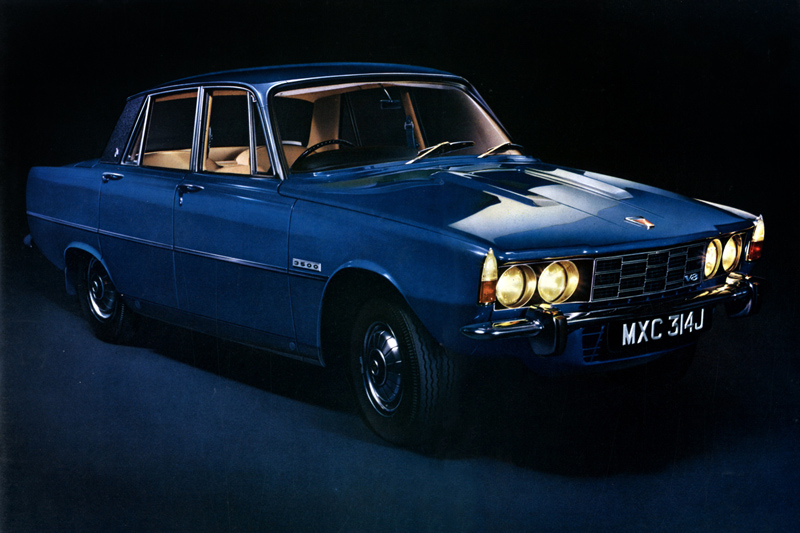
"Every year, the British motoring magazine 'Drive' awards a prize for the worst new car in England. In 1974, the trophy went to a Rover 3500, which required the following parts in its first 9600 kilometers: three replacement engines, two gearboxes, two clutch housings and a complete electrical wiring system. Out of 165 days, the Rover spent a total of 114 days in the workshop. In second place was an Austin Allegro 1300 with 40 faults in 10 months. It was followed by a Triumph Stag, in which the steering, gearbox and starter caused problems. All three cars were made by British Leyland ."
Yes, these were difficult times for the British car industry. Hardly a week went by without a strike. And when the workers in one factory resumed their activities, the assembly lines in another stopped. And even back then, cars consisted of parts that were produced halfway across the country and had to be available on time. Under these circumstances, it should have been clear to everyone that the cars did not leave the production line in the required quality.
Well, today the surviving cars from that era have probably been rid of most of their defects, but the British car industry has never recovered. A pity, a real pity, because the British built some great cars, the Rover 2000/3500 being just one example.