The shopping cart and the trunk

Big wheels, small wheels, the world is full of connections. But people are often unaware of this. The invention of linoleum, for example, made it possible to lay joint-free floors in buildings. This floor covering was also hygienic, as it is non-porous and easy to clean. From the end of the 19th century, it was omnipresent not only in hospitals, but also in office buildings and public facilities. This enabled the use of another 19th century invention, the swivel castor, the small swivel wheel used on office chairs, for example.
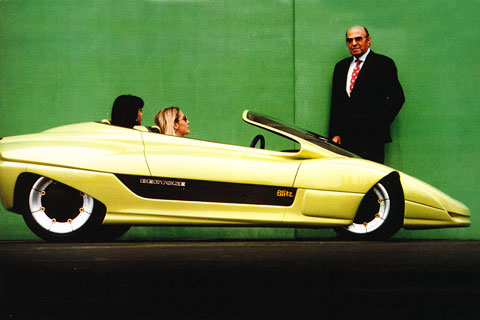
Linoleum was also used in stores and especially in supermarkets, which became increasingly popular in the USA from the 1930s onwards. Even back then, these usually had a few parking spaces, as customers were increasingly visiting these places by car. This fact gave Sylvan Goldman (below), owner of a supermarket chain in Oklahoma City, the idea of making it easier for customers, especially female customers, to make more purchases per visit to his store. The idea was also to make it easier for women to manage shopping and children at the same time. Until then, it had been customary to carry as much as one could carry in a hand basket. Goldman, however, was looking for a way to make it easier to carry two baskets at the same time through the rows of racks. He experimented with a wooden folding chair, which he placed on small wheels and into which two shopping baskets could be hooked. The shopping cart was born!
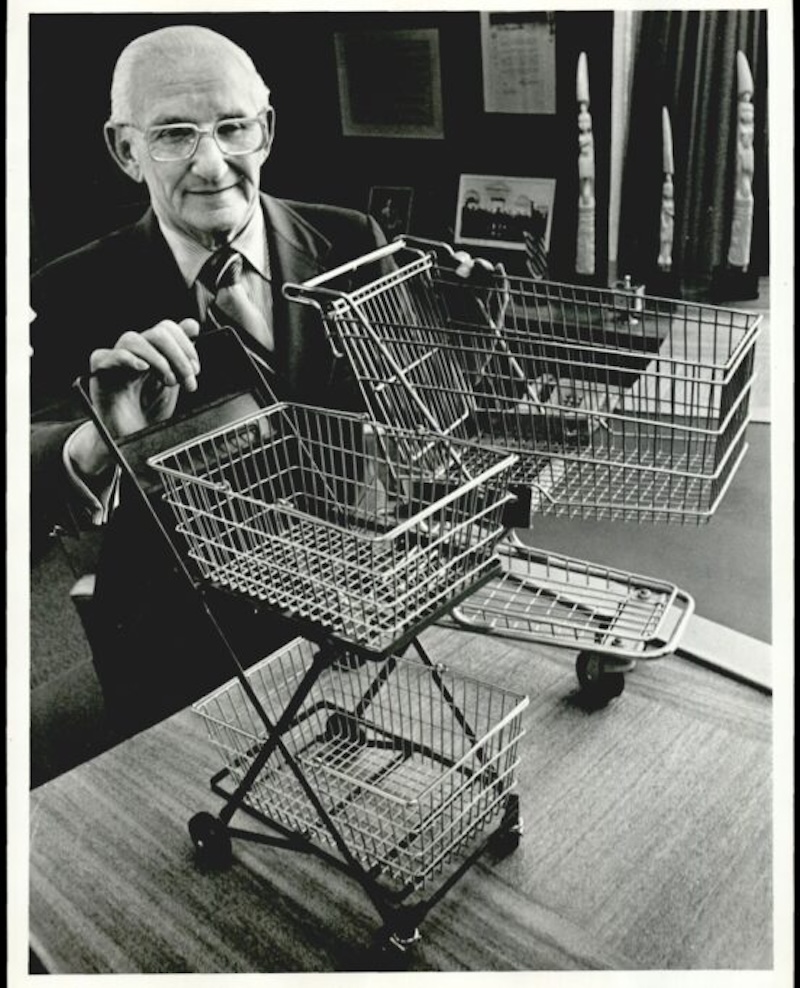
Sylvan Goldman with models of the original shopping trolley and a standard trolley from the 1970s
From then on, twice as much shopping could be carried from the store to the car. At first, the male world found it strange to walk through a store in a kind of converted baby carriage. However, attractive models, specially sent into his stores by Goldman, were able to break the ice for the shopping cart. And the size of the baskets was soon no longer limited to what a man or woman was able to carry. Moreover, in the 1940s, collapsible shopping carts based on the Watson patent (below) replaced Goldman's folding trolleys, which had to be dismantled and folded up every time they were not in use.
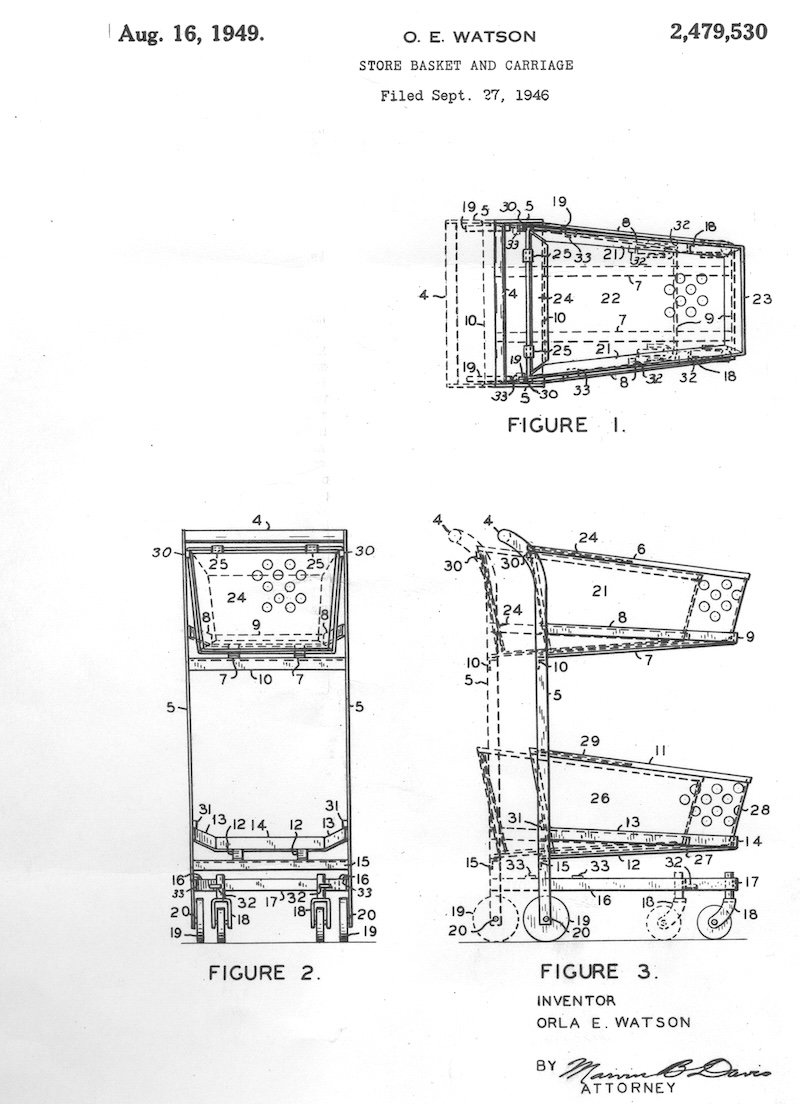
The patent specification for Orla Watson's collapsible shopping trolley, 1949, eliminating the need for folding as with Goldman's pioneering shopping cart
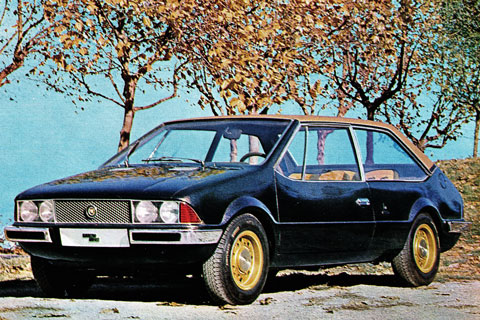
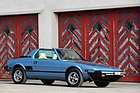
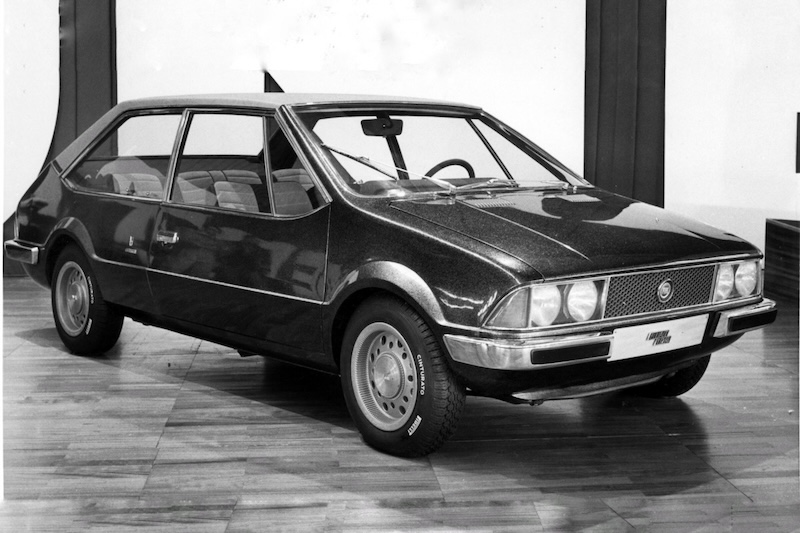
So what does this have to do with the car? The answer is simple: the presence of a shopping cart in the supermarket, its parking space and the fact that the fridge at home could keep a large quantity of groceries fresh for a longer period of time turned daily shopping into weekly shopping in the 1960s. And this was reflected in the needs of car buyers. It was no coincidence that hatchback saloons became increasingly popular, but the development of the leisure society also played a role. But that is another story. Marcello Gandini, however, anticipated these events and, in his design of a family coupé based on the Fiat 128 (below and cover picture), provided for an integrated shopping cart as early as 1969!

Bertone's designer Marcello Gandini envisaged an integrated shopping cart in his study of a family-friendly coupé based on the Fiat 128
Photo Goldman: © Oklahoma Historical Society