Cross-country skiers in civilian clothes

When you say "checker", you mean "cab". For decades, cinema films have cemented the image of US cities with the yellow power cabs in the hustle and bustle of traffic in our minds. The large pontoon limousines were even once used in Zurich.
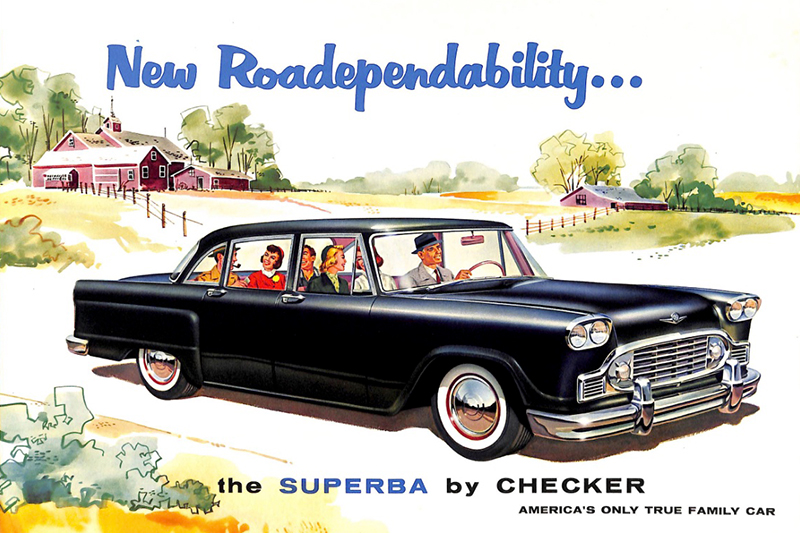
But although it may seem so today, the Checkers were by no means only sold as fleet vehicles for the transport industry. From 1956, private customers were able to purchase a Checker for the first time with the A-8 model. The Checker Superba, modernized with twin headlights, followed for the 1960 model year and finally the better-equipped Checker Marathon in 1961.
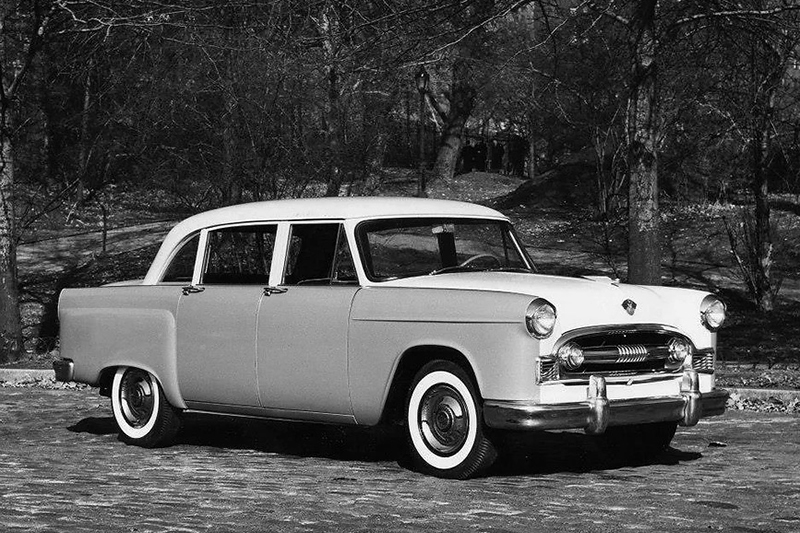
The small company from Kalamazoo (Michigan) deliberately advertised with the consistent, unchanged body shape over the years. It would maintain the value, as a car that doesn't follow fashion can't go out of style. And with its robust construction, designed to last 200,000 miles, a Checker would last four times longer than the average US-made automobile.
This meant that the civilian checkers did not find many customers, but enough for their own small market niche. In the sixties, sales figures remained stable at around 1000 units per year. After the 1963 model year, the Superba disappeared from the range, but from 1965, with the switch to Chevrolet engines, a V8 was available for the first time. However, most buyers were still satisfied with the six-cylinder engine.
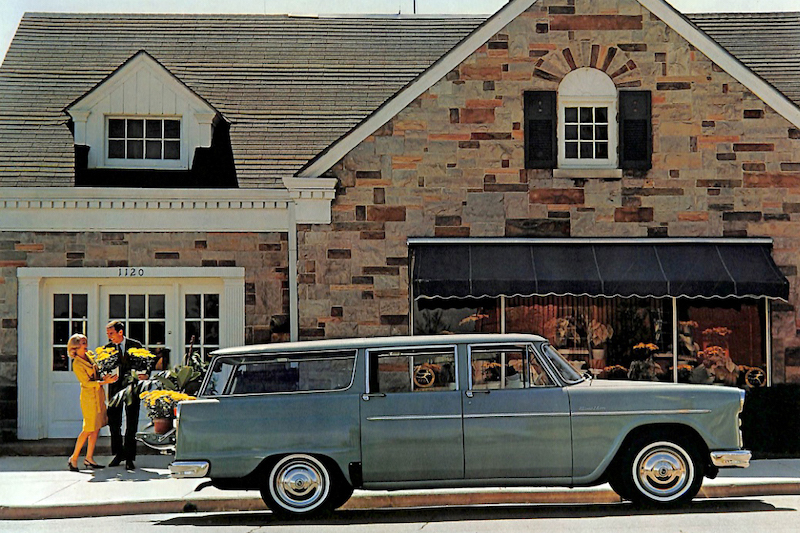
The Marathon Sedan and Station Wagon remained in the range until the end of the Checker Motors Corporation in 1982. Curiously enough, their name is usually associated with cab models today. Yet their original name is actually much closer to the collective memory. The yellow cabs were simply called "Checker Taxicab".