It only needs one?

If you want to sell an old car, there are many challenges. One of them is setting the right price. Another is to think about where you are most likely to find a buyer.
Now, there are cars that a lot of people are interested in (for example, the Porsche 911), but there are also vehicles for which the target segment is very narrow because the vehicle is perhaps a little off the beaten track in terms of design, color scheme, area of use or other factors.
At the end of the day, of course, you only need one buyer and not a hundred. However, if there is only one potential buyer, then it becomes a little more difficult to find a price. You can see this well at auctions when only one bidder is prepared to go ahead. The vehicle then usually stops and you don't find out how high the bidder would have been prepared to go.
Outside the auction room, however, there is much less transparency and as a seller (and also as a buyer) you hardly ever know how many interested parties there are for a particular car. This lack of transparency helps the seller to possibly keep the price higher.
Of course, the whole issue is not only relevant for sellers, but also for buyers who do not intend to keep a car for tens of years, but perhaps buy it for two or three years. In this case, the buyer must already ask himself at the time of purchase how many other interested parties there will be apart from him who will want exactly this car if he then wants to offer it again.
Of course, we could philosophize a lot more about this topic, but we prefer to read what our readers think about it. So: just comment!
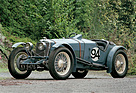
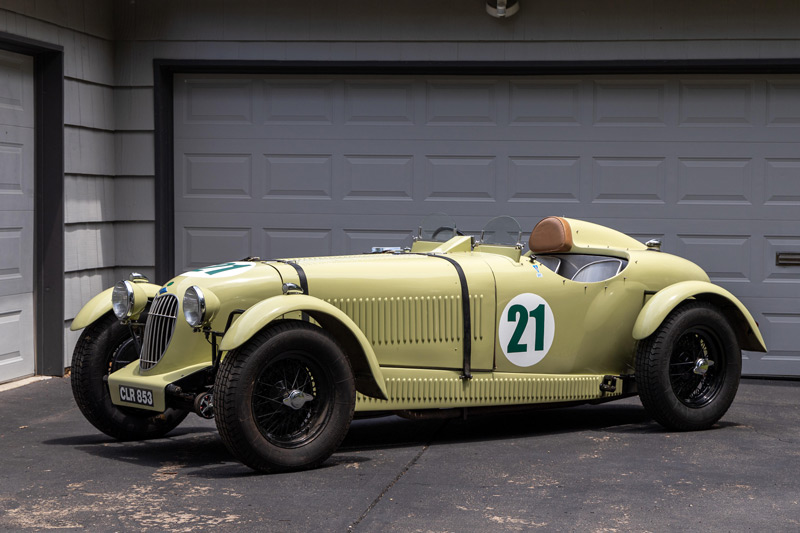
P.S. Incidentally, the picture above shows a Riley "Big Four" Special from 1936, which Bonhams will be putting under the hammer at the Quail Lodge auctionin August, as an example of a very special car.