Forgotten concept vehicles: Handles 4

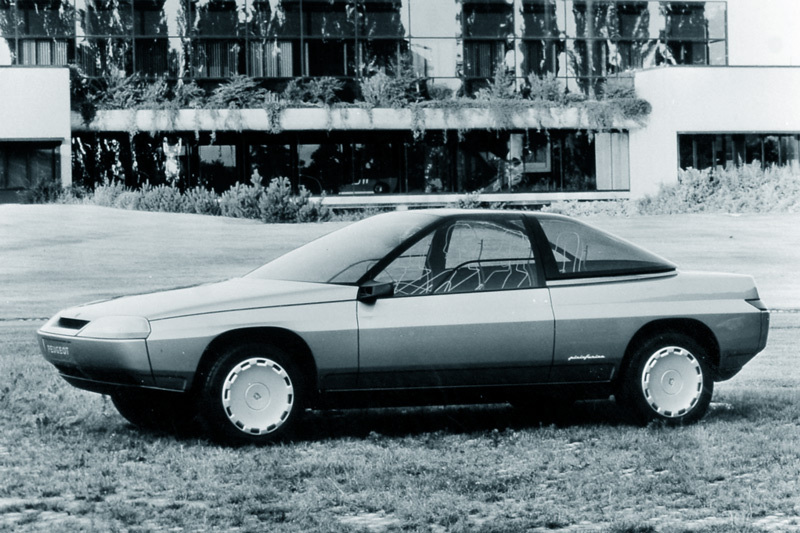
At first glance, the Griffe 4 could have been mistaken for an Aston Martin V8 Zagato .

But the similarities are deceptive, because after all, the Griffe 4 was made by Pininfarina and was called the Peugeot Griffe 4 Coupé 4 posti. And the Zagato-Aston was not presented until a year after the Griffe 4.
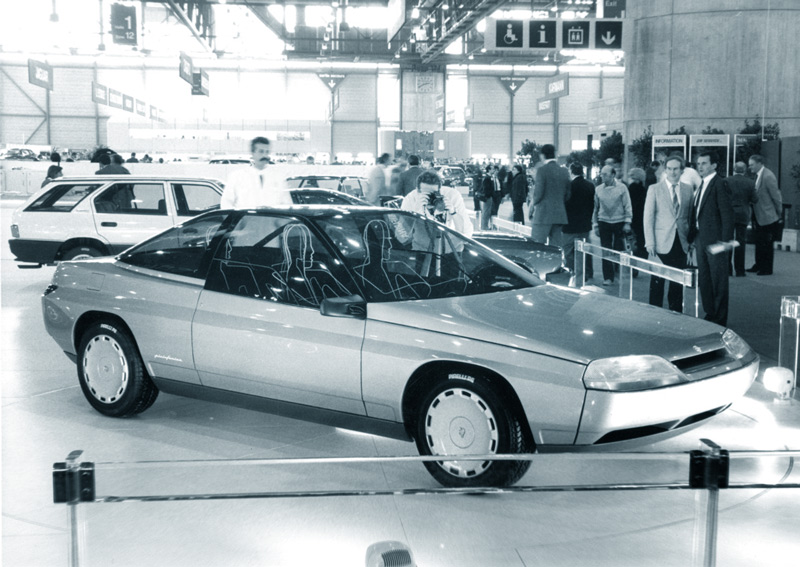
The Peugeot design study was shown for the first time at the Geneva Motor Show in March 1985 and Pininfarina also wanted to celebrate 30 years of cooperation between the two companies.
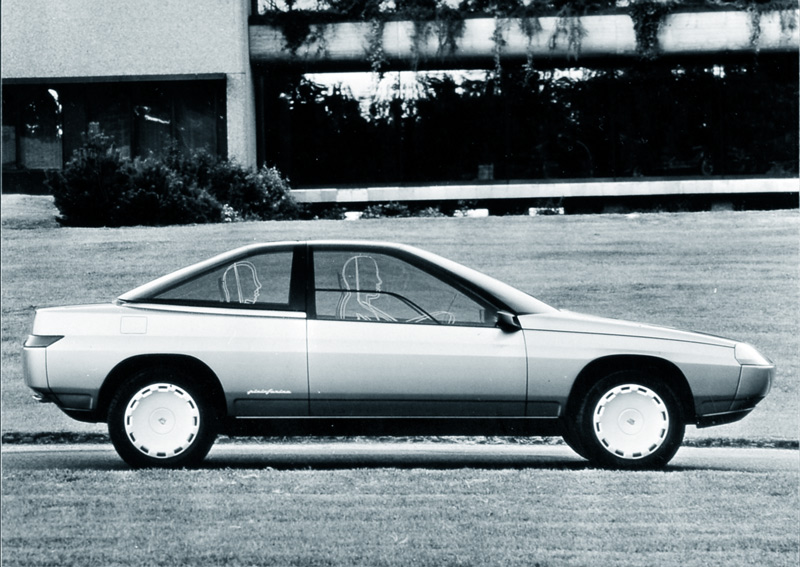
A coupé fitted well into the concept, especially as Peugeot had already stopped building the 504 Coupé in 1983.
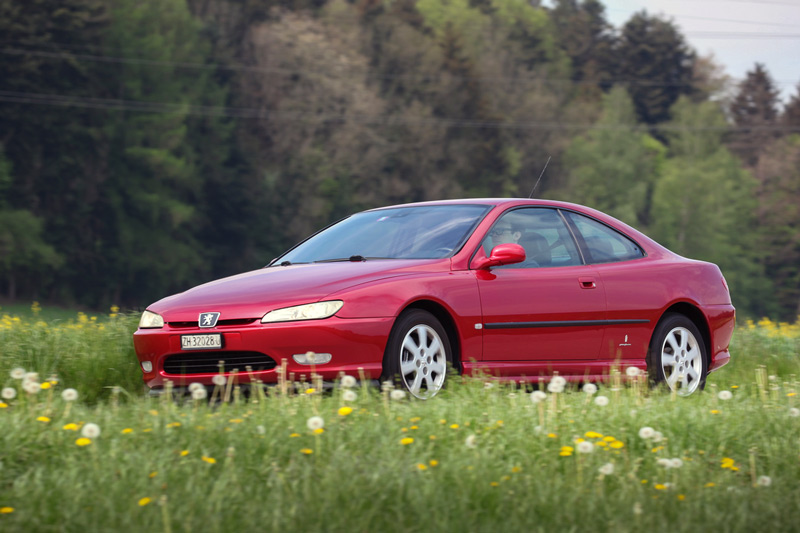
And indeed, there are certain similarities when comparing the Griffe 4 with the Peugeot 406 Coupé , except that the latter was only presented in Paris in 1996. It is also clear that a lot had changed in the design language in between. But the Peugeot 406 Coupé is also considered a very beautiful design.
The special feature of the Griffe 4 study, the smoked glass pavilion, did not make it into series production, nor did the rather angular basic shape of the 1985 concept car.
For completeness, here are a few sentences from the press release at the time:
"The exterior dimensions (length 4410 mm, width 1760 mm, wheelbase 2680 mm) of the model are limited, but there is enough space inside to offer four people a comfortable amount of room.
Styling research has taken into account the need for a good aerodynamic profile, and a number of aesthetic measures emphasize its lightness and sweep.
The headliner in smoky transparent material seamlessly joins the side windows and, by concealing the thin pillars at the front and rear, creates the visual impression of a transparent "dome" that presses on the profile of the car's beltline.
This solution allows good visibility and the unusual transparency of the roof gives passengers the pleasant sensation of experiencing the car in a new way.
A pattern runs along the entire flank, emphasizing the lightness and sweep of the vehicle, even if its function is primarily to increase the robustness of the structure.
The spindle shape is enhanced by the absence of traditional bumpers, which have been replaced by front and rear "impact zones" incorporated into the bodywork.
This solution (soft-nose and soft-back), which is the result of cutting-edge technologies, represents an important safety factor and complies with the strictest current regulations."