From Kerenzerberg to Le Mans: nothing is eaten as hot as it is cooked!

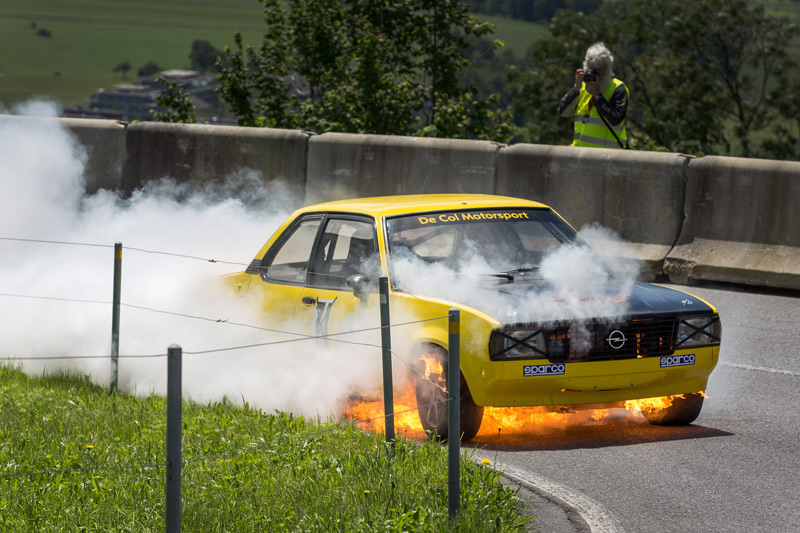
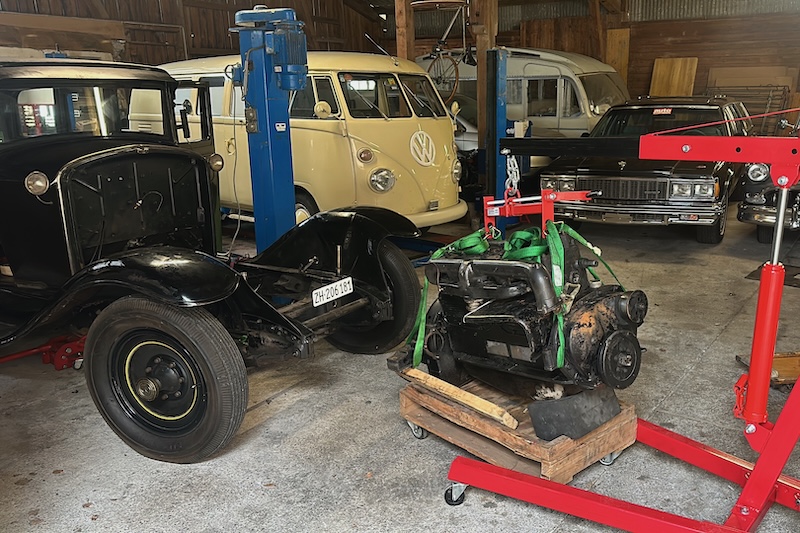
When an engine disintegrates into its individual parts, as it did at the Kerenzerberg race last weekend, it looks something like this. Pistons and valves are already lying in the botany.

This is what engine damage looked like in the past. Today, technology is so much better that damage like this hardly ever occurs. The legendary 24-hour race took place in Le Mans at the weekend, in the final phase of which - after more than 23 hours - nine of the 23 hypercars were still on the lead lap. This number, which is probably unique for 101 years, shows how incredibly close the race was in its 92nd edition and how stable today's cars are, as it was no longer possible to drive gently.
Despite the many safety car phases (6:54 hours in total), lap after lap had to be driven at the absolute limit. Kamui Kobayashi in the Toyota overtook Antonio Fuoco's Ferrari twice on the Hunaudières. The first time he just waved to him from the cockpit, the second time he showed him two fingers for the now "second time" - and all this at around 320 km/h.
The privately entered yellow Ferrari with Robert Kubica, who had done a lot of leading work, was one of the very few that had to be pushed away with an electrical blackout on the engine - at about the same time as this yellow Opel Ascona also had to say goodbye at Kerenzerberg. I wonder if it was the color?

In Le Mans, the two Alpine cars of Mick Schumacher and Ferdinand Habsburg were also involved, both of which were forced to retire with engine damage after just six hours. Overall, however, the hypercars only recorded six retirements. Just 30 years ago, with this extremely tough pace lasting for hours, all cars would probably have broken down sooner or later hours before the chequered flag was lowered. That is also progress.
P. S. Of course, we have already published a comprehensive review of the 2024 Kerenzerberg Race .