The Brazilian devil - Willys Capeta

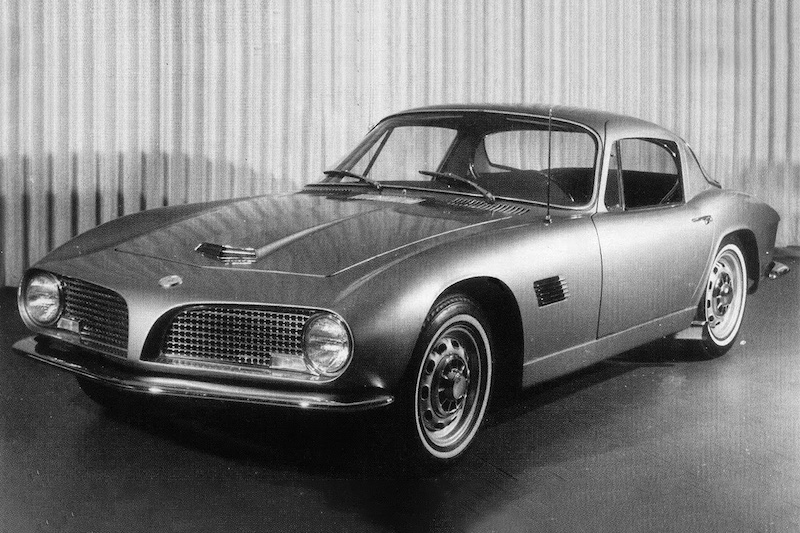
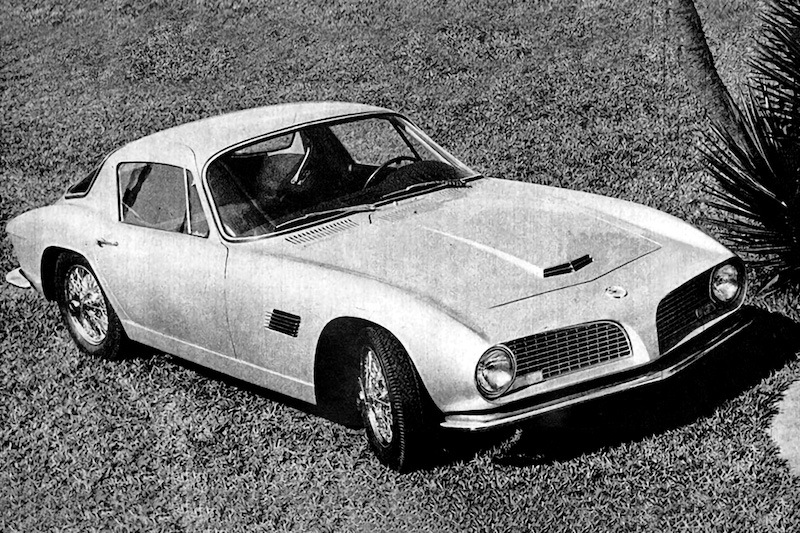
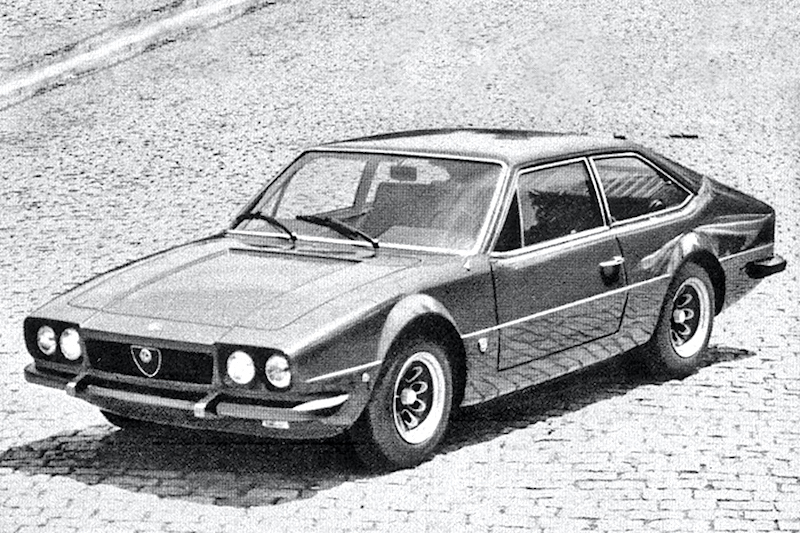
Visitors to the IV Salão do Automóvel were thrilled. Never before had there been such a racy automobile from a Brazilian manufacturer. The Willys Capeta was undoubtedly the folk hero of the São Paulo Motor Show in December 1964. Although Willys do Brasil, like the South American offshoots of Ford, Chrysler and General Motors, had US roots, Willys was considered a "local" brand due to its comparatively high proportion of Brazilian shareholders.
The idea for a GT sports car came from Rigoberto Soler, a former Vemag engineer, who left for Brasinca before the project was completed due to differences of opinion with the board. The chassis of the Willys Rural off-road vehicle served as the basis, but was fitted with the coil-sprung rear axle of the Aero 2600. The front wheels were individually suspended on wishbones and a transverse leaf spring; all four were braked by means of drums.
As with the Alpine-licensed Willys Interlagos, the body was made of fiberglass-reinforced plastic. The front section in particular is reminiscent of the Ferrari 250 GT Bertone and Fiat 1100 Allemano, but was designed by the company's own studio. It is quite possible that designer Ramis Melquizo had his eyes on Italy, but the striking "shark nose" can also be seen as a variation on the typical Willys face. After all, the Rural and Aero also had a split radiator grille.
In order to match the sleek looks with appropriate driving performance, the old "Hurricane F161" six-cylinder engine was enlarged from 2.6 to a smooth three liters. Together with an aluminum cylinder head, a sports camshaft and two Solex twin carburetors, its output rose from 130 to around 160 gross horsepower, of which around 150 should have remained when fitted with all auxiliary units. In view of these figures, the top speed of 180 km/h seems almost a little disappointing.
It is no longer clear today whether series production was ever really planned or whether the Capeta ("devil" in Portuguese) was intended to remain purely as a showpiece. However, it undoubtedly fulfilled a role as a technology carrier, as its three-liter six-cylinder engine was later used - albeit somewhat tamed - in the Willys Itamaraty, as was the transmission extended by a fourth gear. After another presentation at Brazil's 1st Industrial and Commercial Fair in the summer of 1965, the Willys Capeta disappeared from the public eye.
However, it was spared the usual fate of an obsolete test vehicle (scrapping). Ford - the new owner of Willys do Brasil since 1967 - donated the Capeta to the Museu Paulista de Antiguidades Mecânicas in São Paulo in 1968. The silver-colored plastic coupé has survived there to this day, despite the thirty-year "shutdown" following the death of the museum owner and the subsequent inheritance dispute.