Matching numbers - why at all?

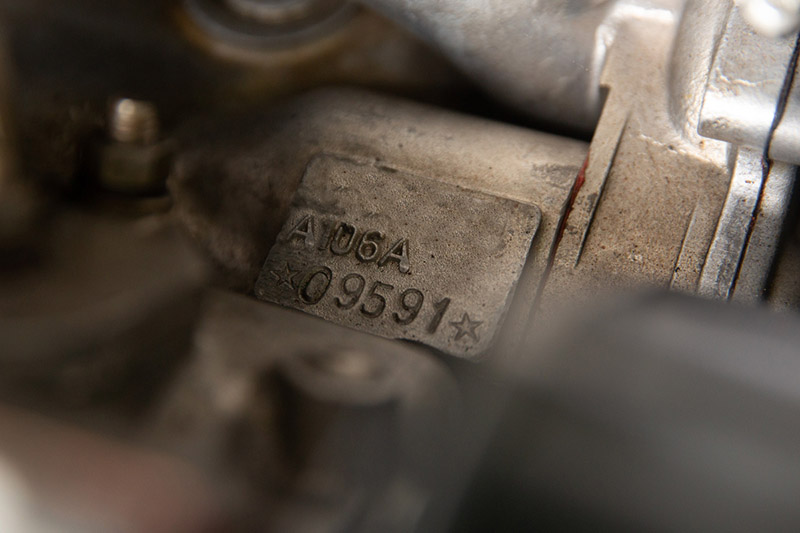
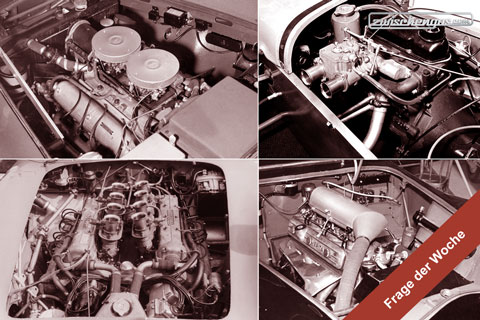
If there is one term that appears frequently in vehicle market advertisements or in inquiries from prospective buyers for an advertised car, it is "matching numbers". This is generally understood to mean that the engine that was installed in the car when it was new is still there today, i.e. it has never been replaced. Because classic car buyers want to play it safe when making large investments, they insist on the original engine and prefer to walk away if the engine number does not match the chassis number at the time of delivery. Many people seem to be downright afraid of buying a car that is not equipped with the original engine.
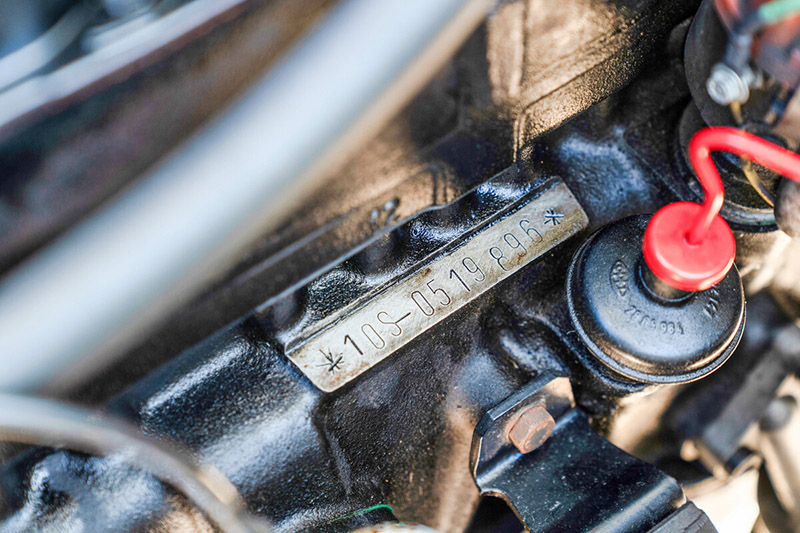
However, replacing engines used to be the norm. When used Porsche 356s, for example, were available for a few thousand DM or francs, nobody would have even dreamed of having the engine completely overhauled. It was better to put in a good used engine from an accident-damaged car and that was that. The car didn't run any worse afterwards and wasn't worth any less because of it. It's just that the new engine number actually belonged to a different vehicle. An obstacle to buying today.
However, the matching-number mania also leads to the "correct" engine numbers being subsequently stamped in. In the case of a Porsche Carrera RS, the "correct" engine can quickly add a few tens of thousands in value, and you can even read in books what the correct engine and gearbox numbers should be.
Even today, a "wrong" engine, provided it is of the same design and healthy, certainly does not make a classic any worse from the driver's point of view, or perhaps even better. Better a cleanly declared and skillfully built replacement engine than a re-stamped "original engine" that may not have the correct ingredients, isn't it? After all, it's about driving and not just playing with numbers ....
P.S. Of course we understand that a completely original car may be worth a little more than one in which parts have been replaced. But when it comes to racing cars at the latest, this makes almost no sense at all, as they have been constantly modified, improved and adapted. And it was the same with heavily used everyday cars ...