Why young classics are also becoming increasingly popular


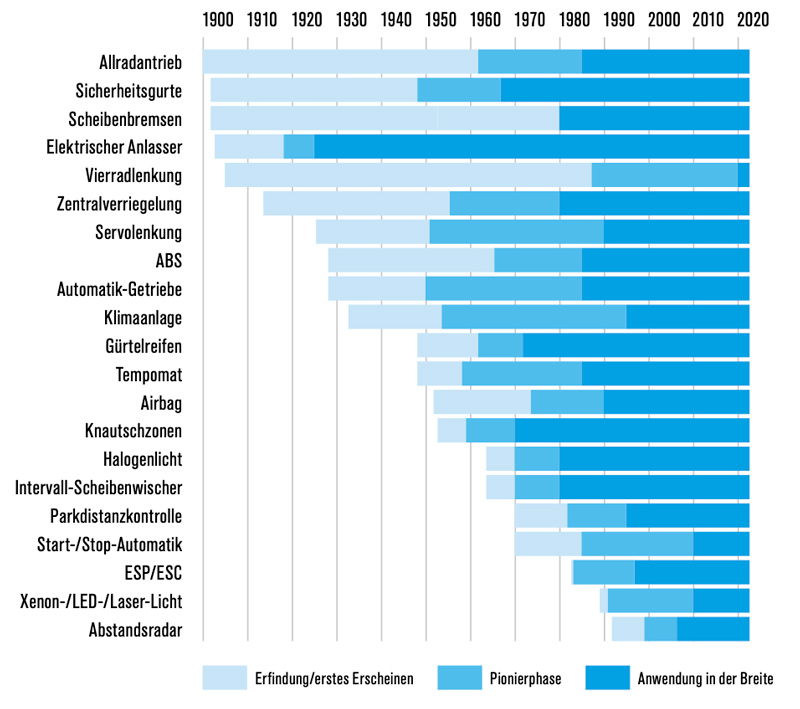
There are many factors that influence the popularity and market value development of older cars. In addition to demographic and marketing-driven factors, there is also the issue of technology. If you look at important innovations in automotive engineering, you can see that they are often relatively old basic developments that often took decades to become widely established. One example would be four-wheel drive, which already existed around 1900, but only really arrived in series production cars in the mid-1980s. The situation is similar with central locking or cruise control. It usually took many years from the idea to mass production.
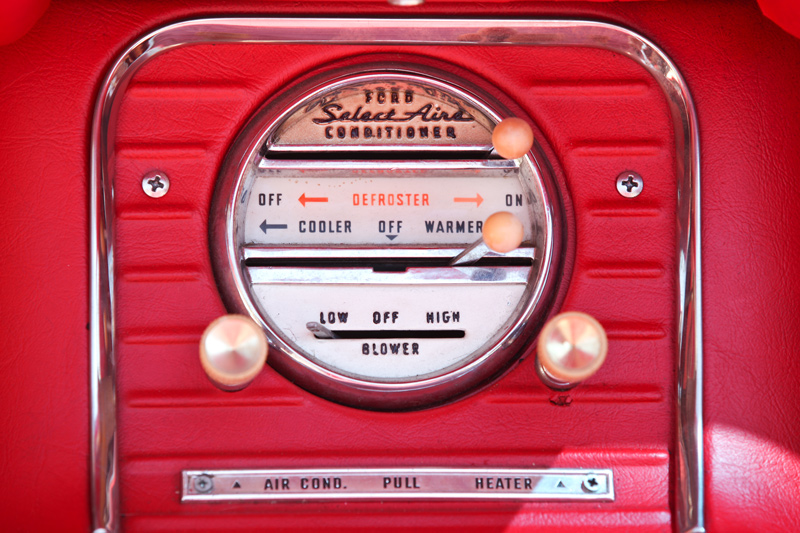
Air conditioning systems were already available in the 1930s, and from the 1950s they could be found in luxury vehicles (picture Ford Thunderbird from 1959), but it was only much later that VW, Opel or Volvo drivers were able to enjoy them.
In addition, such assemblies naturally became better, more energy-efficient and more user-friendly.
Many comfort and safety features that modern drivers take for granted only made it into affordable cars in the 1980s, and some took even longer. ABS is a good example of this.
So it's no coincidence that the 20-40-year-old cars are more popular than earlier vehicles among people who didn't grow up with unsynchronized gearboxes and radiator shutters. Of course, these cars of the VW Corrado or Fiat Barchetta type are not yet as comfortable and "supportive" as modern cars, but they are easy to drive in modern traffic and do not require any special training beforehand.
The table shown here, which will also be featured in the upcoming 2023 annual magazineas part of a more extensive article on the topic of "Old versus young", shows how technologies have developed over time from invention to series production.