The McLaren F1 phenomenon - can a classic car be worth so much?

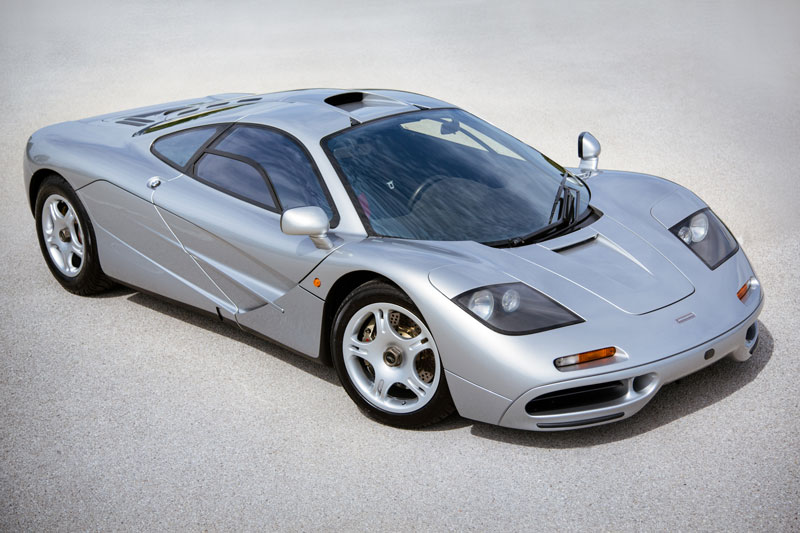
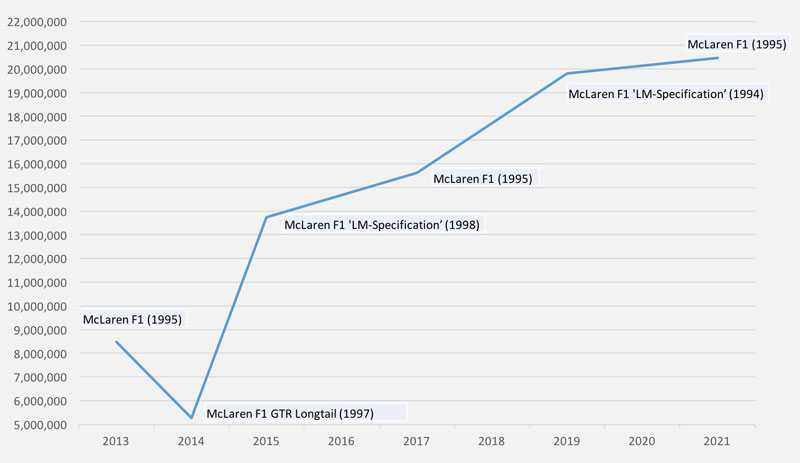
At the Gooding & Co auction in Pebble Beach a few days ago, a McLaren F1 from 1995 was sold for no less than USD 20.465 million (EUR 17.4 million, CHF 18.8 million). This is a new world record for an F1 in USD; in CHF and EUR, the 1994 F1 'LM Specification' was even slightly more expensive when it was auctioned by RM/Sotheby's in Monterey in August 2019.
However, neither of these are one-day wonders; for some years now, F1 examples have been selling for ever higher sums (all the cars shown in the graphic were auctioned around the Pebble Beach Concours d'Elégance in the USA, three by Gooding & Co, two by RM/Sotheby's and one by Bonhams, the prices are shown in USD).
Let's take a quick look at the facts about the car: The McLaren F1 was unveiled in Monaco in 1992, priced at DM 1.6 million (USD 970,785, £634,500) at the time, instantly making it the most expensive production car of all time to date. The plan was to build 300 cars, but not that many were built - after 106 units, production ended in 1998. The F1 therefore remained rare. 64 examples left the factory as normal road-going versions, the rest were more or less racing cars in disguise.
The engine came from BMW, and the V12 could also be found in a similar form in saloons and in the 850i. A 627 hp 6.1-liter version with all the state-of-the-art components that could be found was produced for McLaren.
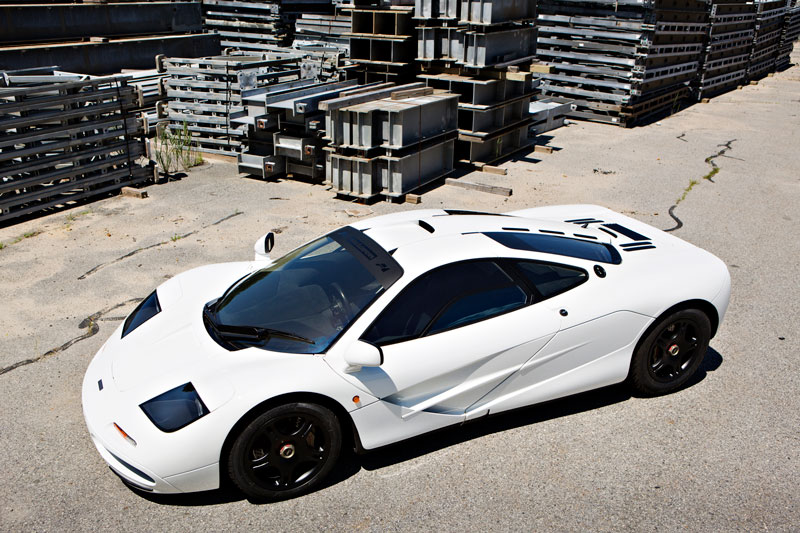
The McLaren F1 was a good car, certainly the benchmark for all other manufacturers.
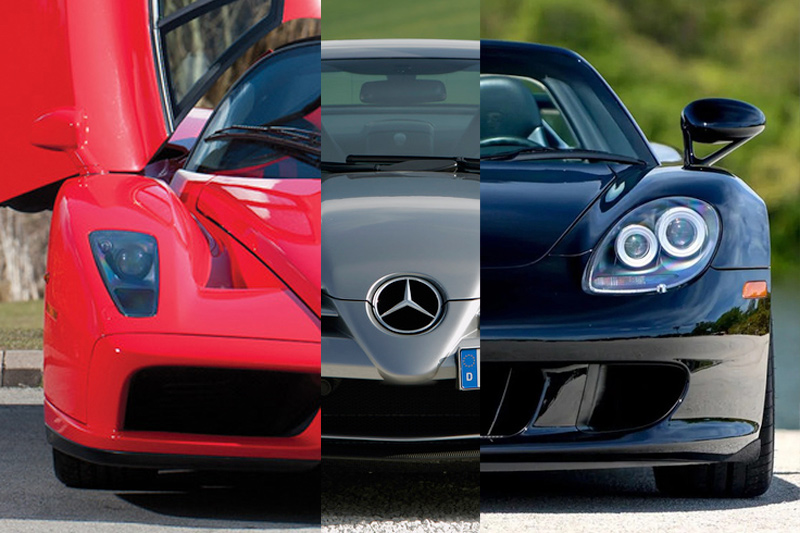
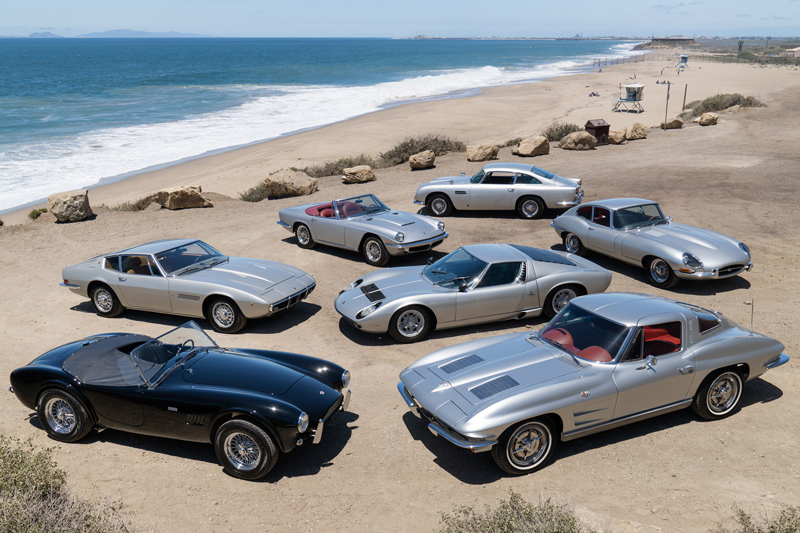
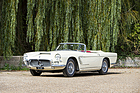
But is all this enough to explain why a McLaren F1 today is more expensive than almost all supercars of all time, with the exception of the Ferrari 250 GTO? Why can an F1 cost more than one of the few Maserati 5000 GTs and more than an Aston Martin DB4 GT Zagato?
In principle, you would have to compare the McLaren F1 with a De Tomaso Mangusta or a Bizzarrini 5300 GT Strada, because they also used a mass-produced engine and did not develop their own engines, whereas the Bugatti EB110 or the Jaguar XJ220, for example, had their own engines built by the manufacturer.
It can hardly be due to the great driving characteristics, as the previous owners of the car auctioned in Pebble Beach are unlikely to have had many of them, as the mileage was less than 500.
So what is the attraction for collectors of this car, which is only around 25 years old, and why are they always sold in the USA, where there is a 55-mile speed limit? It is a phenomenon that is obviously difficult to explain with numbers alone.