50 years later - Lotus Elan and Exige in comparison

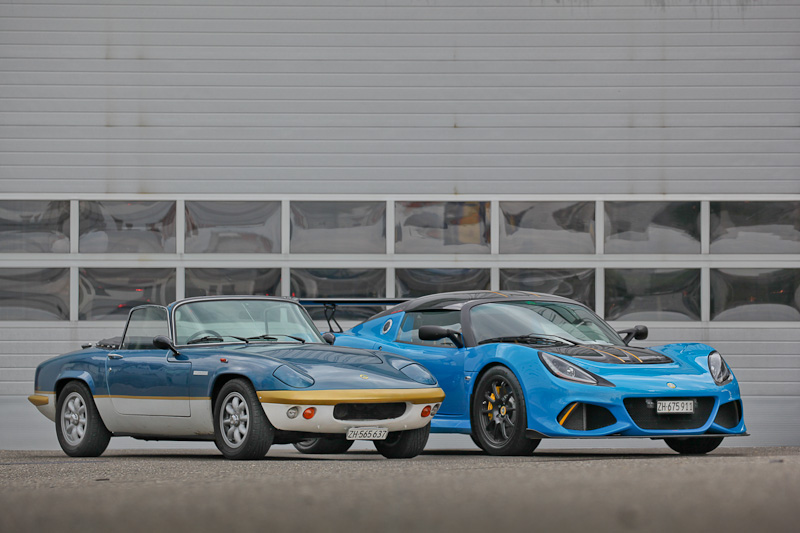
At first glance, the two cars in the picture have nothing in common, even though they are both blue. However, the Lotus Elan Sprint and the Lotus Exige Cup 430 actually come from the same manufacturer.
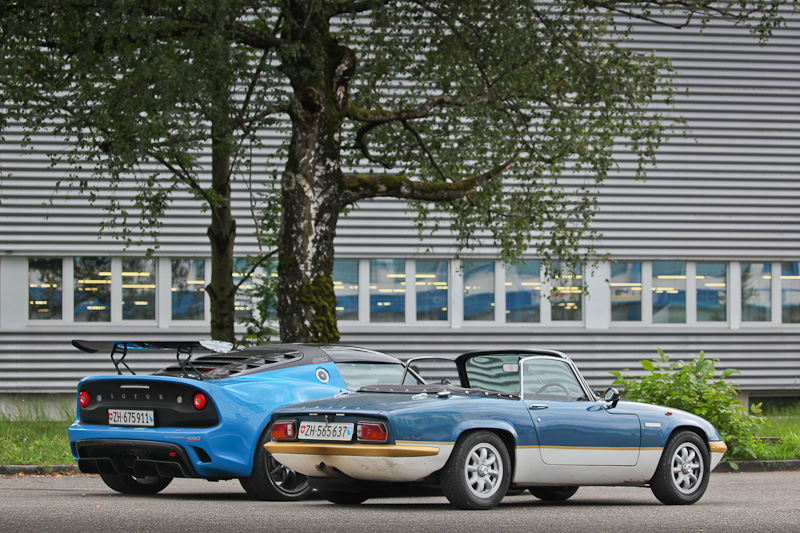
The "Sprint" was the last version of the Lotus Elan shown to the public for the first time in 1962 and was built until 1973. Compared to the earlier versions, the Sprint version had significantly more power, namely 126 hp, which came up against around 700 kg. Due to its compact dimensions and low weight, but also because of the sophisticated independent suspension, the Lotus Elan was a handling artist and was able to outrun many a more powerful car.
In 1996, Lotus began selling the Elise, followed in 2000 by the Exige, a sharpened and more powerful version of the Elise. Over three series, the 430 Cup was finally launched in 2017, before which there were around two dozen other variants. In the Cup 430, the engine from the Toyota Camry produced 430 hp thanks to the Edelbrock supercharger, which was able to move around 1100 kg. This put the Exige 430 Cup on a par with the Ferrari F40 or the McLaren 570 S in terms of power-to-weight ratio, which it clearly undercut in terms of price. Thanks to a lot of lightweight plastic and a rigid aluminum composite chassis, the most powerful Exige offered more than just impressive performance, combined with racing-like handling.
As is well known, the days of the Lotus Elise/Exige/Evora are numbered, and its successor, the Emira, has already been unveiled.
The Lotus Exige Cup 430 is one of the last cars of this type to be produced, just as the "Sprint" was the last Elan. In addition to the Elan, there was also the Elan +2S in the early seventies, which was four-seater and more comfortable, just as there was the Evora with a 2+2 configuration and a stronger focus on comfort until 2021.
It could be argued that the forerunner of the Elise Exige types was more the mid-engined Lotus Europa, but its importance to Lotus was significantly less than that of the Elan.
Indirect successors to the Elan family from 1974 onwards were the front-engined Elite and Eclat models, which were later joined by the Esprit.
At the time, the Lotus Elan cost more than many a six-cylinder, just as the prices for the fastest Exige versions 50 years later outstripped many an eight-cylinder. But then as now, Lotus products proved that pure performance is not everything.
Even a modern-day Lotus Exige Cup 430 is comparatively classic:
You sit in a monocoque aluminum "bathtub", somewhat reminiscent of Group C race cars of the eighties
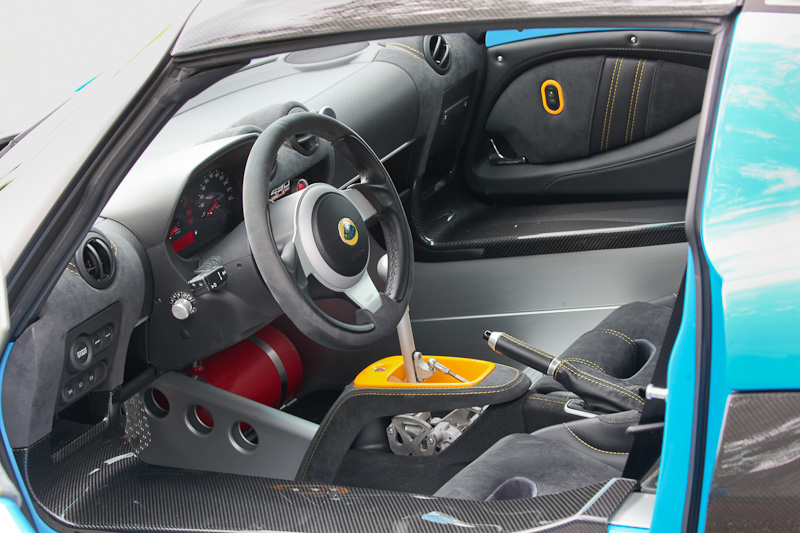
The steering wheel is round and has no buttons, there is no power assistance
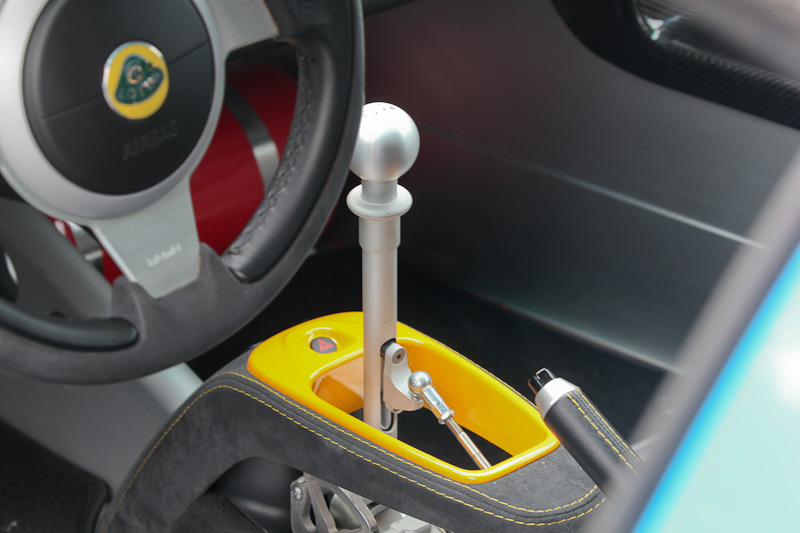
The six gears need to be engaged manually, with a wonderful open lever mechanism.
Electric rear-view mirror adjustment? Cup holder? Glove compartment? Assistance systems? Launch control? Navigation? Digital cockpit? Adjustable steering wheel? Electrically adjustable seats? Touch screens? No way! The Exige only has what is really needed for driving, the instruments are analog and have real pointers, the ignition key is still a key and the handbrake acts mechanically on the rear wheels.
However, there is some comfort, such as air conditioning (which you could do without when ordering) or electric windows.
Despite the lightweight seats, the Exige is comfortable to sit in and getting in and out of the car is still quite easy, even at the age of 60.
Incidentally, the Exige is not completely "low tech", as there are a few dynamic driving aids (ABS, ESP, traction control), a lightweight lithium battery, a titanium exhaust system and super-soft Michelin Cup 2 tires.
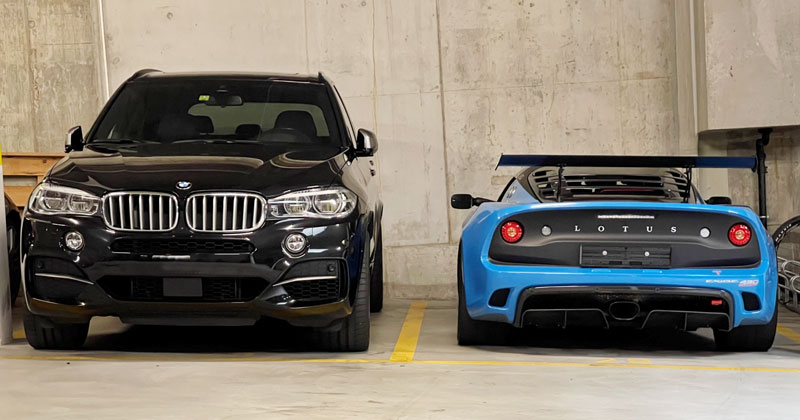
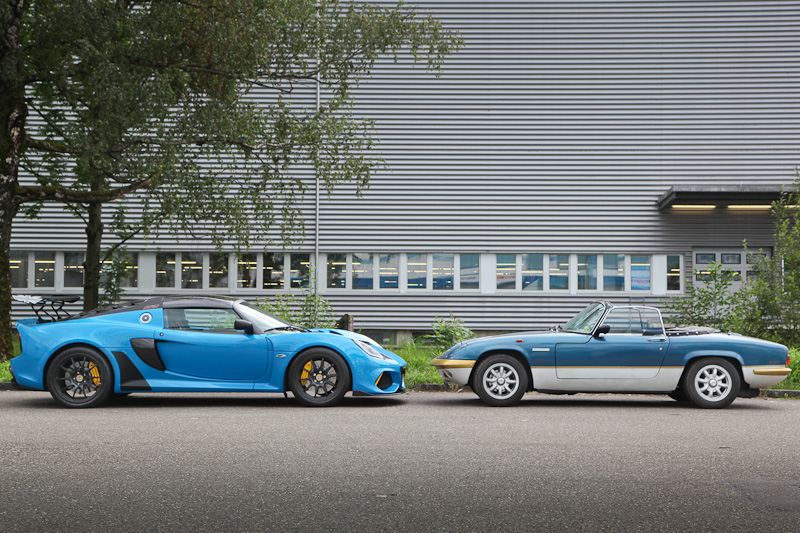
Compared to its competitors, the Exige is a compact car, just 1.802 meters wide and 4.084 meters long. Its 17- and 18-inch wheels at the front and rear look really slender compared to the 20/21-inch wheels of the competition. However, they are perfect for the driving physics and the driving experience is characterized by intense, analog feedback and, compared to some modern sports cars from other manufacturers, the Exige feels wonderfully physical.
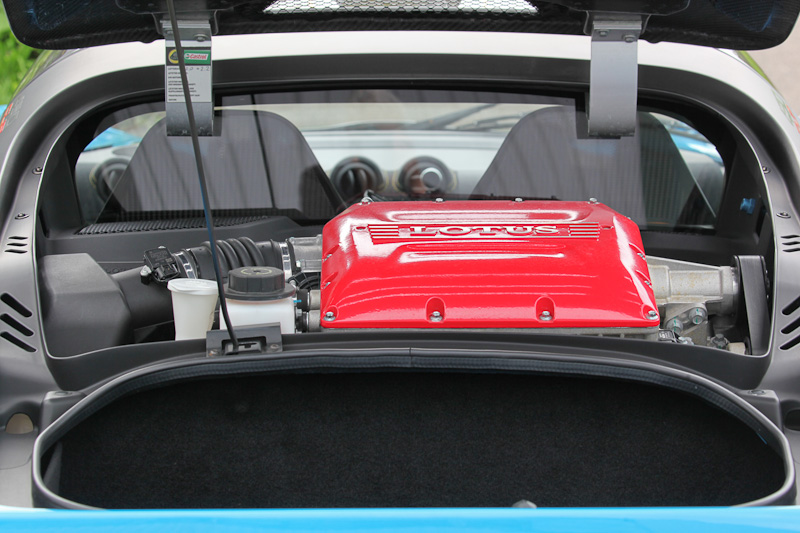
The soundscape of the V6 engine, which is extremely responsive, also fits in with this, sounding like pure motorsport depending on the exhaust valve position.
And the Lotus Elan Sprint, which is 50 years older? It is even more compact, measuring just 3.683 meters in length, 1.422 meters in width and 1.156 meters in height. Nevertheless, there is room for two people of normal height and they can also take some luggage with them.
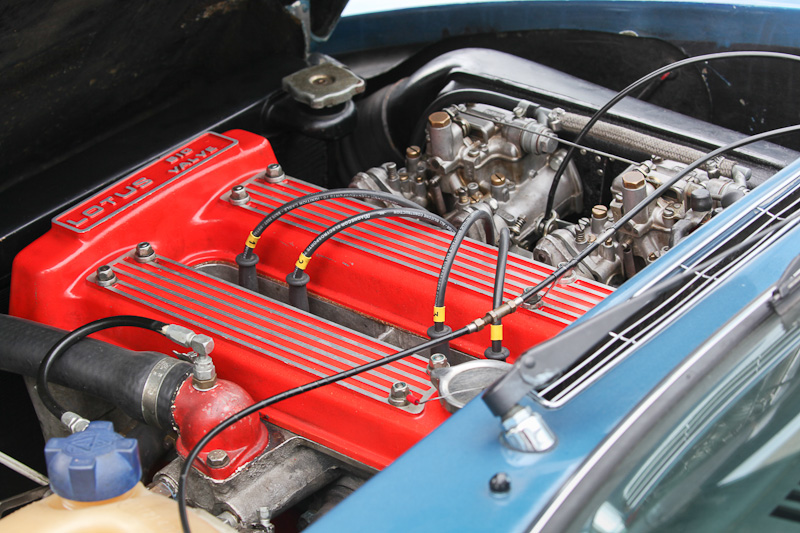
The engine is located partially behind the front axle, which is favorable for weight distribution. When sprinting, the four-cylinder engine breathed through two powerful carburettors, which came from Dell'Orto or Weber, depending on the type.
Disc brakes all round were a given right from the start, and there was never any power steering, nor was there any need for it. Few cars conveyed so much precision when turning the steering wheel.
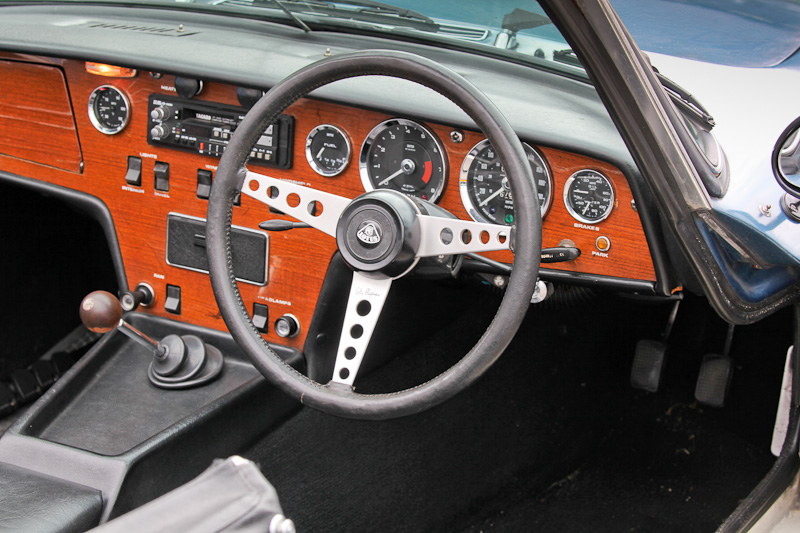
On the other hand, the Elan was equipped with electric windows from series 3 onwards and the instrument cluster was always complete and aesthetically pleasing. Despite the compact dimensions of the car, the ergonomics are just right.
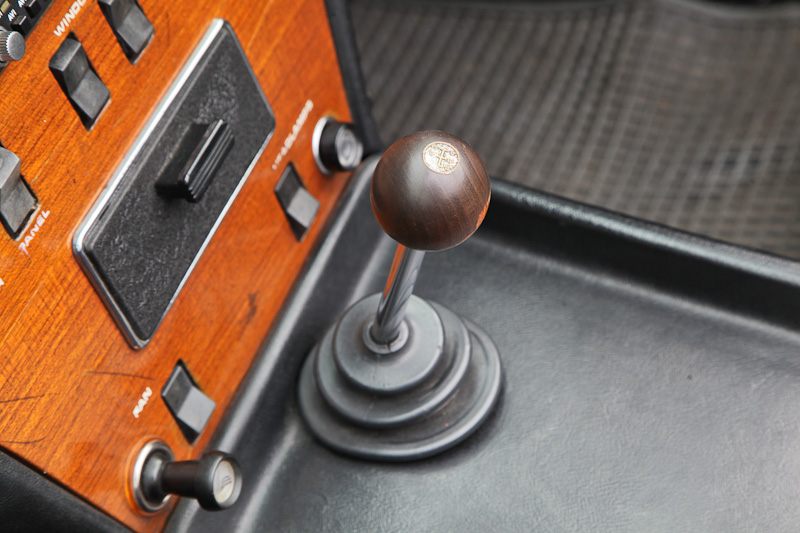
The gearbox is also a real pleasure; you can feel the cogwheels of the four-speed gearbox moving as you change gear.
A Lotus Elan Sprint accelerated from 0 to 100 km/h in around seven seconds; the modern Exige naturally achieves this in half the time. At a top speed of less than 200 km/h, the Elan is also clearly inferior to today's sports cars, but this is unlikely to bother many owners today.
Depending on the driving style, the two Lotus cars are unlikely to have much in common in terms of fuel consumption, but the progress here is of course clearly noticeable.
At the end of the day, the two Lotus sports cars have more in common than you might think.
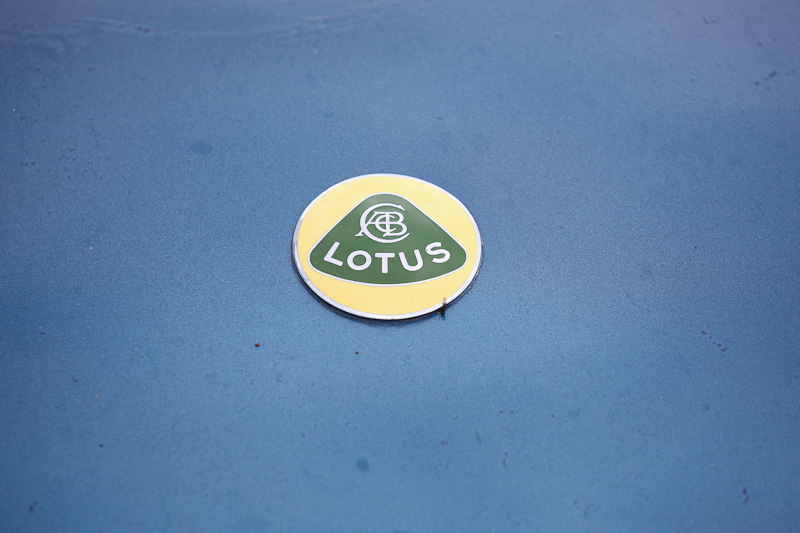
The company logo has only been carefully adapted over half a century.
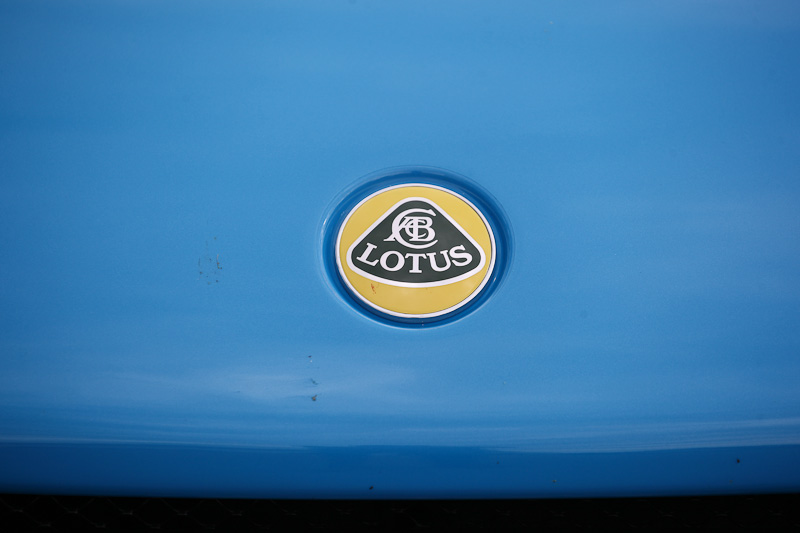
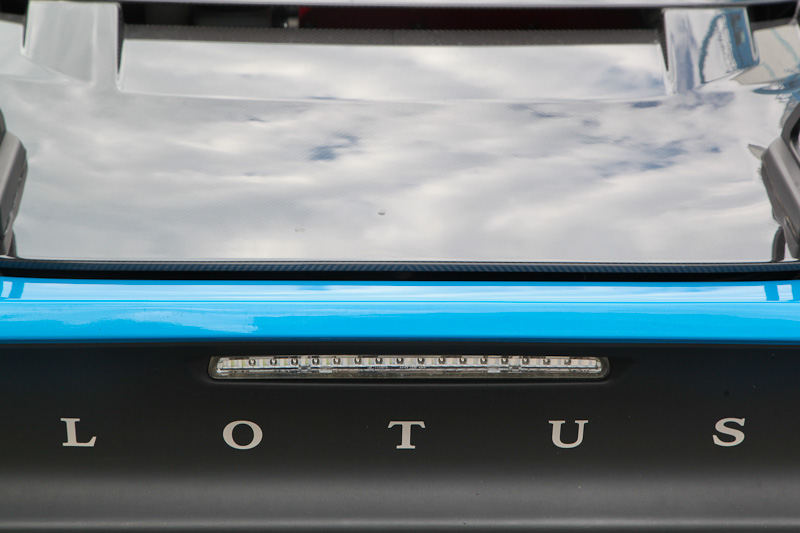
And the broad lettering at the rear, ...
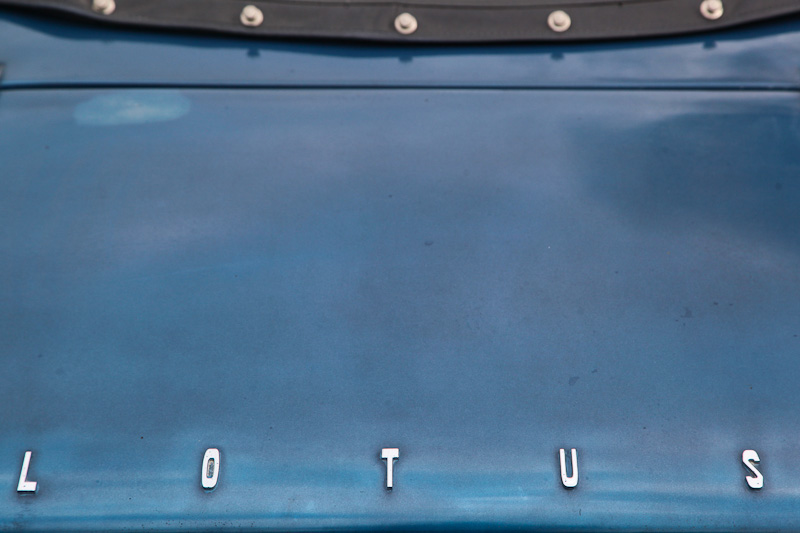
... can be found on both the Elan and the Exige.
Lotus Elan or Exige, both deserve a place in classic car heaven, the Elan has long since earned it, the Exige is sure to grow into this role quickly (keyword: classic pearl of the future).
P.S. Anyone who doesn't believe that the Lotus Exige Cup 430 is a comparatively compact car will perhaps be convinced by this photo?