Classic pearl of the future - Lotus Evora

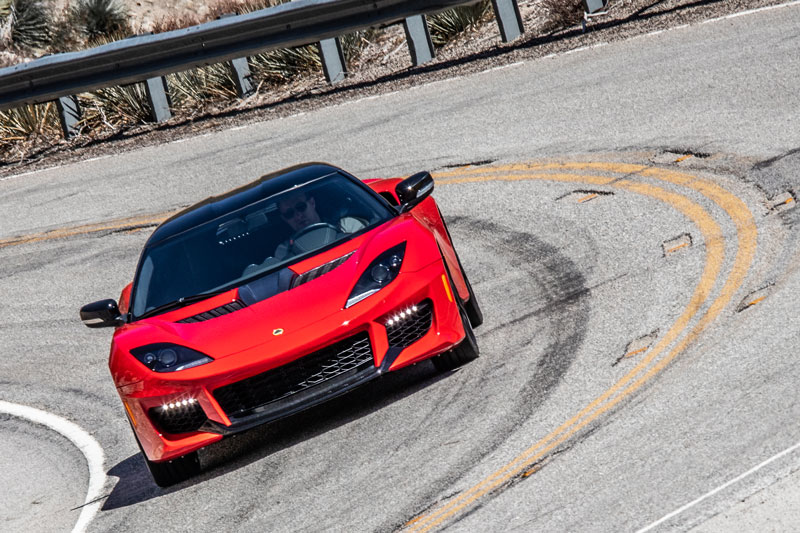
After Lotus recently announced that the current Elise, Exige and Evora models will only be built for one more year and will then have to make way for a future generation of new, more or less electrically powered sports car models, the previous classic Lotus models are growing even more dear to our hearts.
We have already written about the Eliseand Exige and they will certainly find their place in classic car heaven. But the somewhat more modern Evora should also get its chance.
In fact, the slightly larger Evora, which was first shown at the British International Motor Show in 2008, offers some tangible advantages, such as the two additional seats and the overall more comfortable space. This may not convince the hardcore trackday enthusiast, but all those who want to use their classic car for a vacation or a weekend trip in the future will be better served by the Evora.
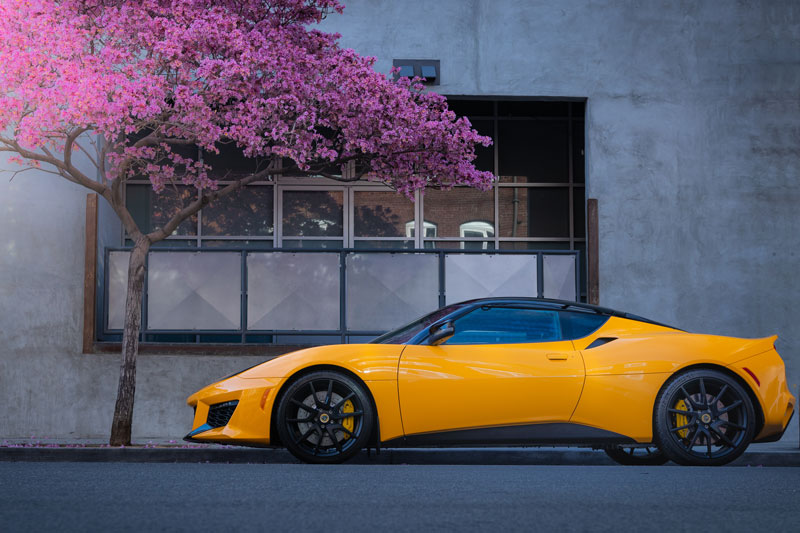
Like all Lotus models, the Evora has been continuously improved and made stronger. As early as 2010, an "S" behind the designation drew attention to an additional supercharger and the power output gradually increased from 280 to over 400 hp (Evora 400), while a sharpened dress ensured a more aggressive look. Although the Evora cannot quite compete with the lightweight Elise in terms of weight, the unladen weight of around 1.4 tons does not put up too much resistance to the power available over a wide rev range. Thanks to good aerodynamics and comparatively compact dimensions, the fastest examples reach over 300 km/h.
This catapults the Lotus Evora right into the middle of the super sports car league, without threatening to set single-family-high prices.
Incidentally, it was also a Lotus Evora that left the factory in summer 2018 as the 100,000th Lotus ever, and among the 55,000 or so aluminum-plastic composite chassis vehicles of the Elise Exige Evora generation, the Evora is probably the rarest variant, which is also the most pleasant to drive. You can certainly live with a few weaknesses, such as a not entirely convincing navigation system, as these are forgotten once the transversely mounted six-cylinder engine in the rear has come to life.
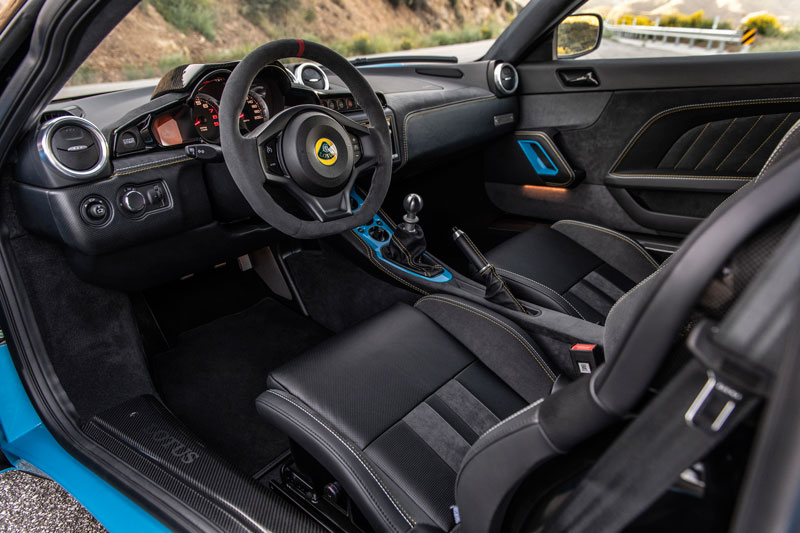
If you can, you should opt for a manual Evora version, because few cars are more fun to drive than this Lotus. The Toyota V6, which was also used in a different form in the Camry, is considered robust. There are certainly cars whose future you have to worry about more than a Lotus Evora.
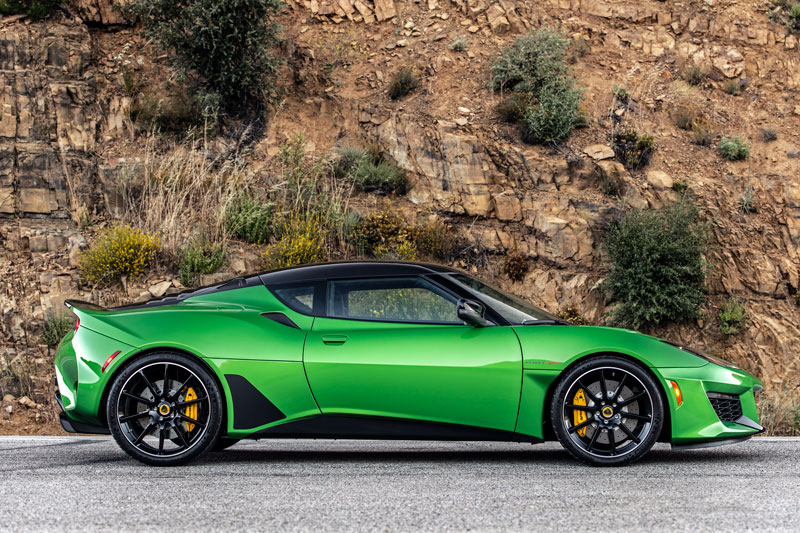
If one of the dazzling and special colors is added and the owners take care of the mid-engine sports car, nothing should stand in the way of a classic pearl.
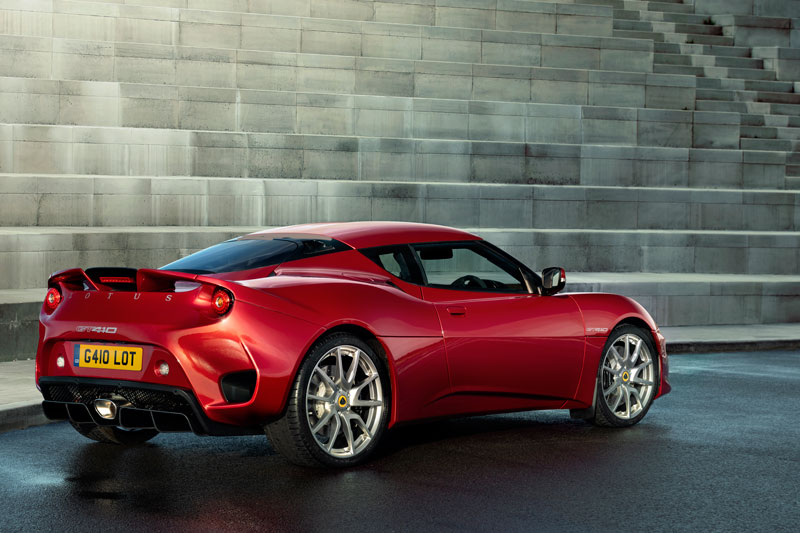
Colin Chapman, who died of a heart attack in December 1982 at the age of 54, would certainly have given his blessing to the Lotus Evora. After all, the Lotus Elan +2 also came from his hand and it can certainly be compared with the Evora in spirit.
P.S. If you would like to see a few more pictures, there is a small but fine collection of Zwischengas pictures.