Harmonization and standardization my ass


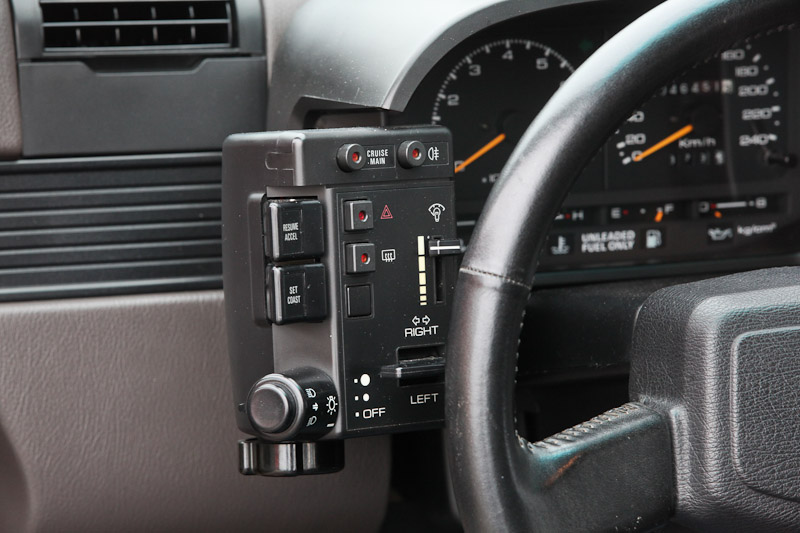
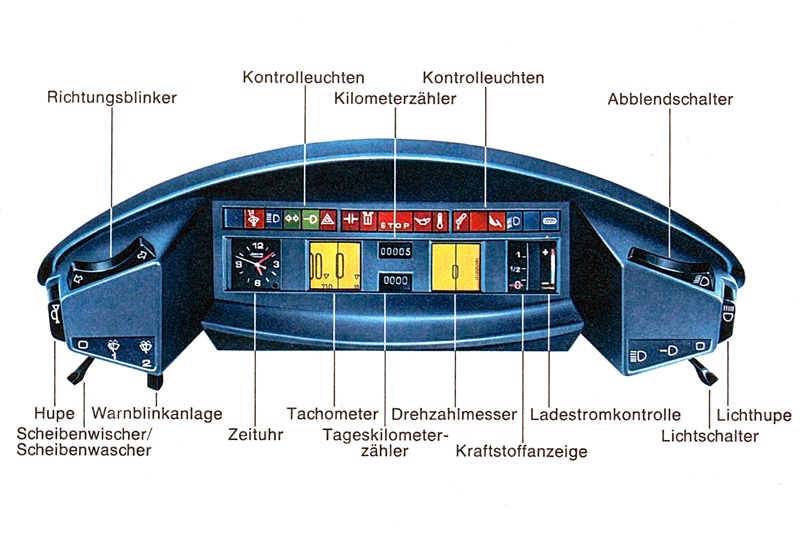
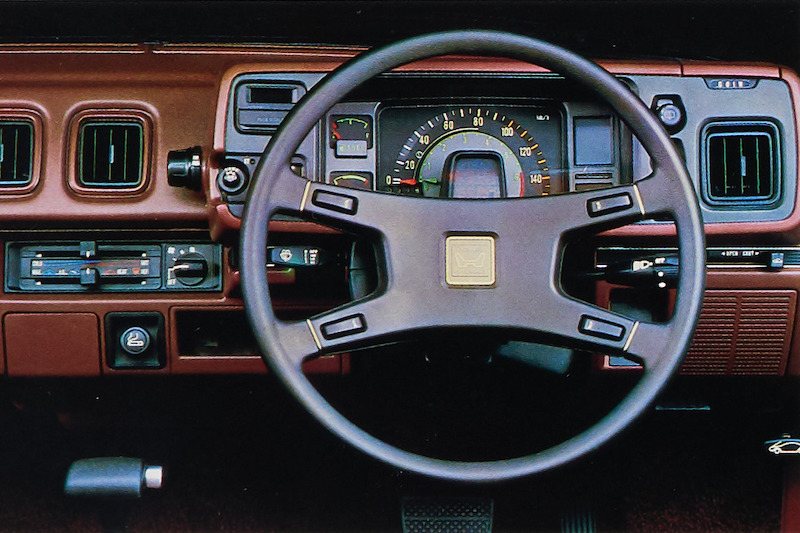
While blinker operation is now standardized in almost all left-hand drive cars, no "unité de doctrine" has been established for the light switch. Over the last few decades, different operating concepts have been popular depending on the country and brand.
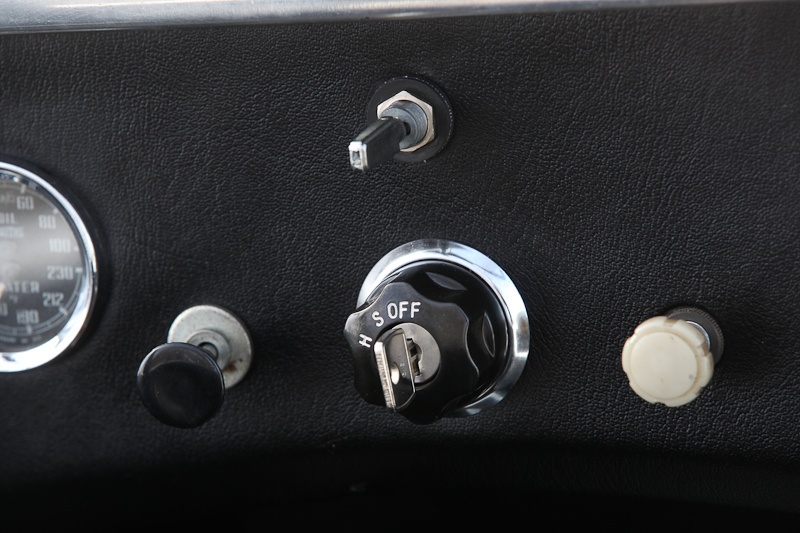
In an Austin-Healey Sprite, for example, the rotary light switch rotates around the ignition lock. In the
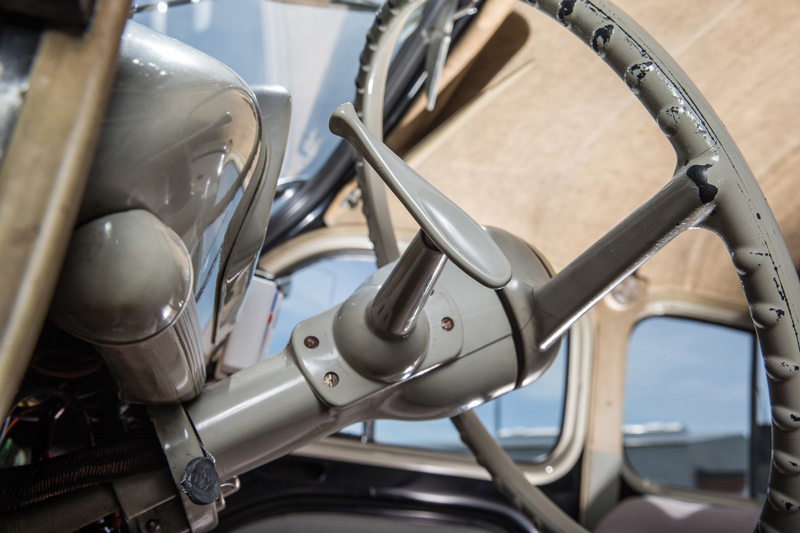
Renault 4 CV had a rotary lever on the left-hand side of the steering wheel.
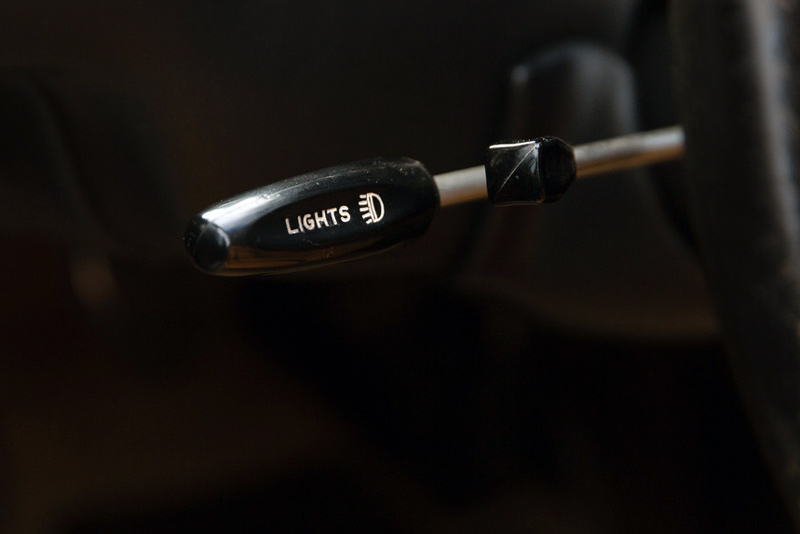
The Italians liked to use a rotary switch with a dual function on the steering wheel: turning it switches on the lights, while lifting the lever switches between the different light levels. This operating philosophy can also be found in the French.
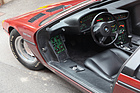
In Germany, on the other hand, rotary switches, usually mounted to the left of the steering wheel, were used to operate the lights (the picture above shows a Mercedes). A lever on the steering wheel is also used to switch from high beam to low beam, whereas many decades ago foot switches were often used for this purpose.
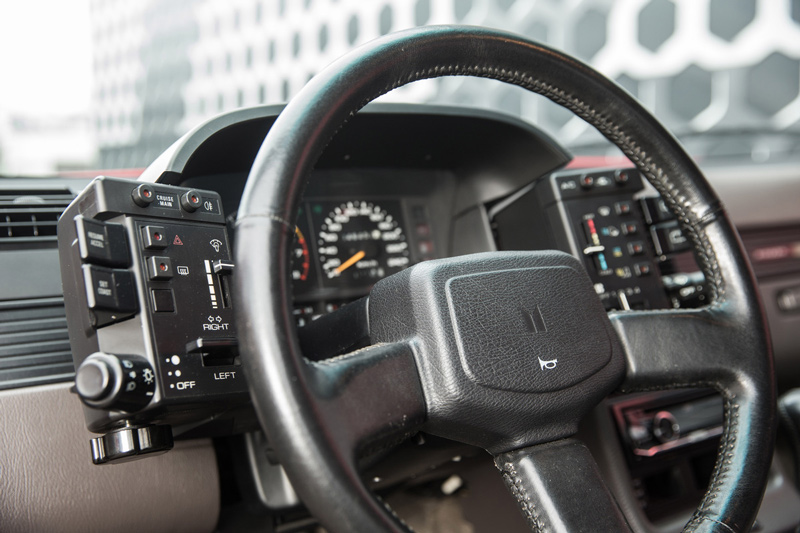
And then there were certainly a few other suggestions to make it better or different, such as the steering wheel satellites. In the end, there was a great variety and the law did not require harmonization, which is why it was always worth taking a look at the instructions or manual before setting off. At least the labeling of the switches and controls has improved massively over the last few decades, so that a glance over the switches was usually enough to find your way around.
In any case, the light switch has become less important in the modern age, since cars switch automatically between daytime running light, dipped beam and main beam. With all the advantages and disadvantages ...