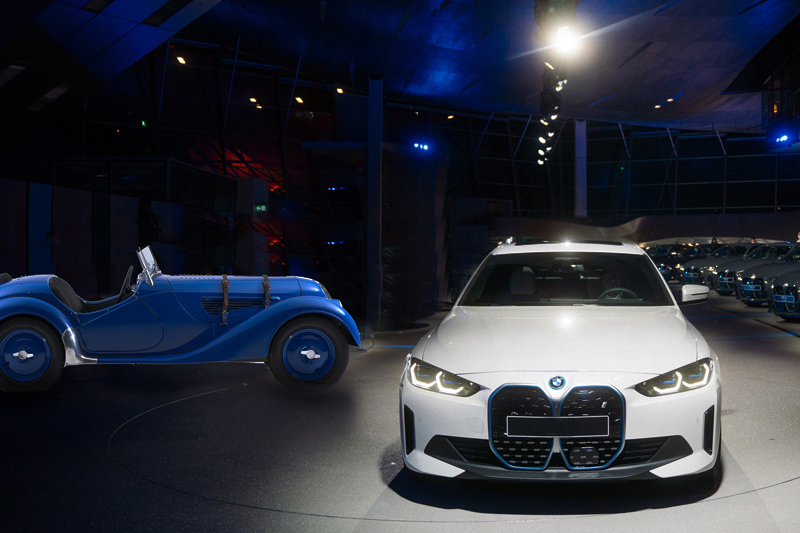
How much value does tradition still have after a technological upheaval?

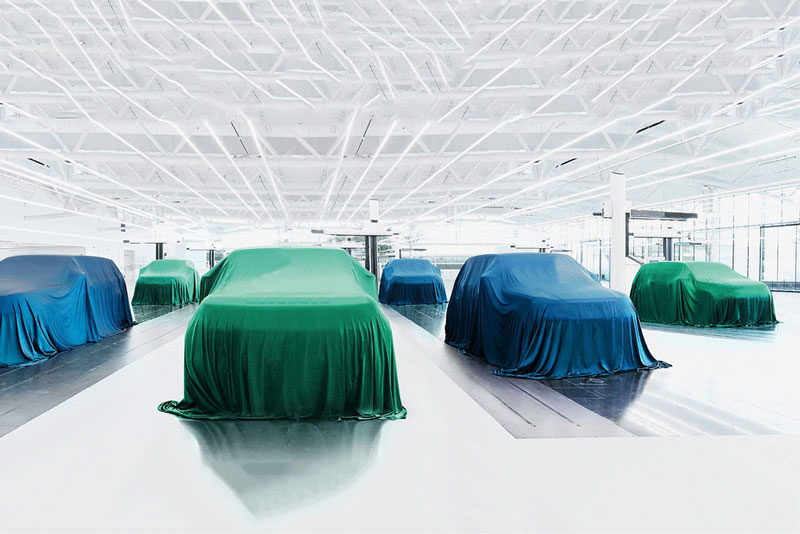
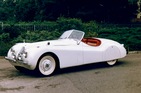
It is an anxious question that many classic car and youngtimer enthusiasts are asking themselves these days. What will happen to the preservation of tradition if car manufacturers completely reorient themselves and - as Jaguar Land Rover has just announced - want to consistently focus on purely electric cars in just a few years? What is the value of a brand tradition that produced an extremely advanced straight-six engine shortly after the war and the Jaguar E-Type a few years later?
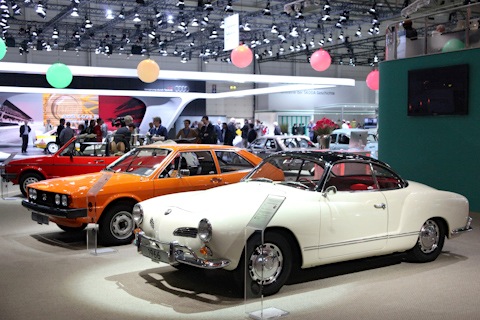
Will the cost pressure and new buyer segments mean that manufacturers will soon stop maintaining their own history and keeping spare parts for vehicles that no longer fit the current strategy? Will factory museums be closed, collections sold, innovative prototypes from the past destroyed and archives disposed of? Are we finished with the often interesting participation in trade fairs, which also drew the attention of future drivers and buyers to the brand's history?
Of course, it would be more than a pity if something like this were to happen. And it would probably be completely wrong! Tradition is also important when the technological wind changes, after all, history shapes the brand image.
And why should future car buyers choose a Jaguar (or BMW, Alfa Romeo, Audi, etc.) instead of a Hyundai or Geely, for example, if not because they like the Jaguar (or ...) brand and value its "heritage"?