Weight as the enemy of torque

Do you feel the same way? You are driving through the city, stop behind a long queue at a red light. It turns green. And red again. And barely three cars have made it through the intersection. They've started off as leisurely as the Ford Model T. Yet modern cars are real torque giants, with turbo diesels that can put 400 Nm and more onto the crankshaft, even at low engine speeds. And yet the two-cylinder engines still don't seem to get going.
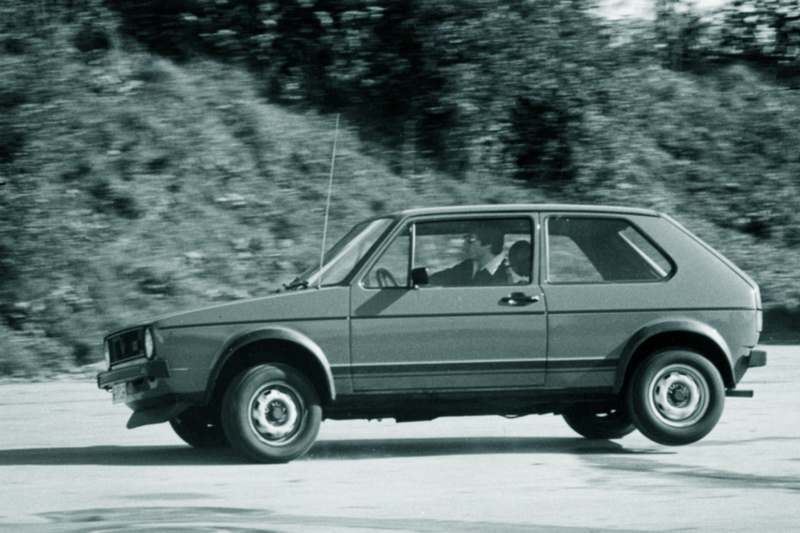
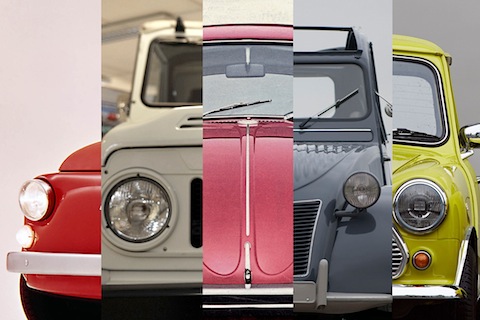
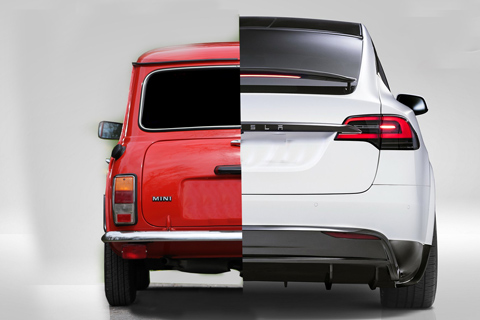
During the long wait, you start to philosophize and remember how nimbly a Mini, for example, accelerates from a standstill, even though it only has 50 hp or so, but weighs just over 500 kg. A maximum torque of 50 or 100 Nm is enough to make impressive progress. Motorcyclists are also aware of the advantages of low weight, and hardly any four-wheeled vehicle can match them in the first few meters.
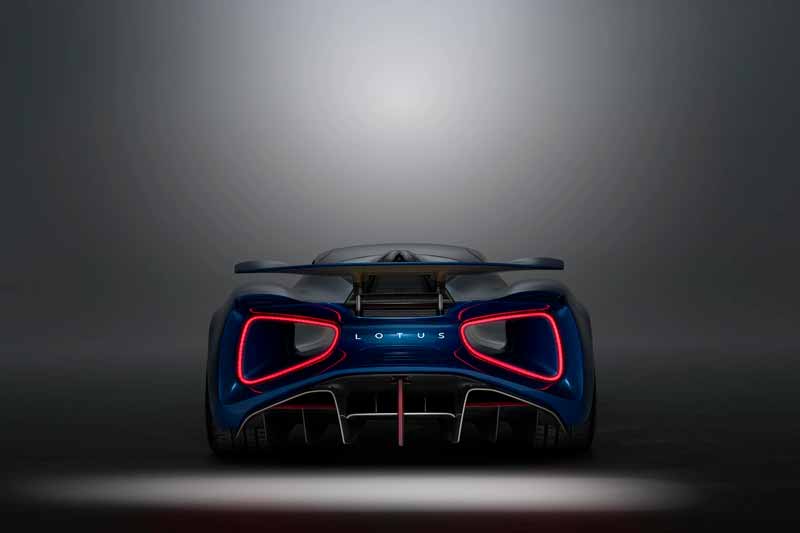
The torque first has to be mobilized before the vehicle really gets going. In a modern car, this means that you have to stand firmly on the accelerator and cannot simply release the brake pedal. Electric cars have a natural advantage here, as they have a very high torque even at the lowest engine speeds. That's why the Teslas of this world always surprise the petrol and diesel fraction at the traffic lights. It goes without saying that they then also suck up a lot of power. Here too, the high weight of the electric cars due to their heavy batteries has a negative impact.