Ferrari versus Ford - and what Hollywood made of it


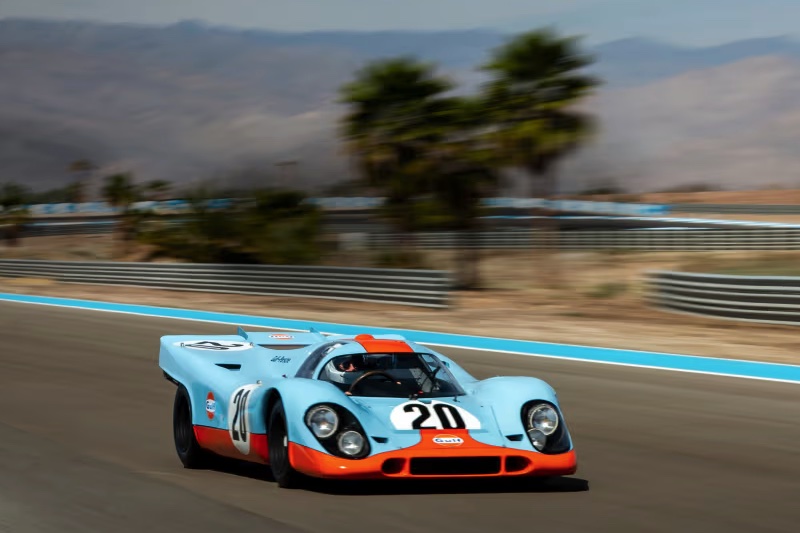
The bar is high if you want to make a Le Mans movie, because Steve McQueen's 1970 film is legendary. So if you want to tackle this subject, you have to have a few good ideas to convince the audience.
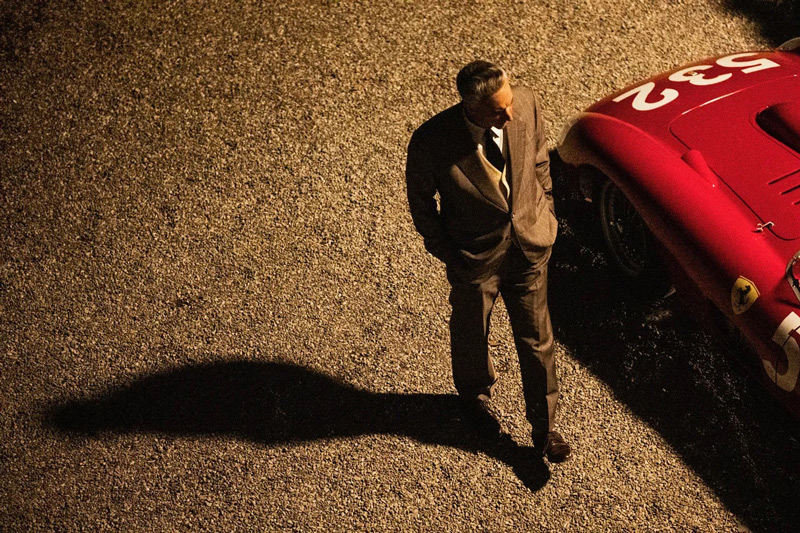
The screenwriters, led by James Mangold, took on a subject that is often talked about and focused on the battle between Ford and Ferrari. As is well known, Ford tried to buy Ferrari at the beginning of the sixties, which the Commendatore (with Fiat) prevented. Henry Ford II then decided to beat the "spaghetti-eaters" at home, at least that's how it is portrayed in the movie.
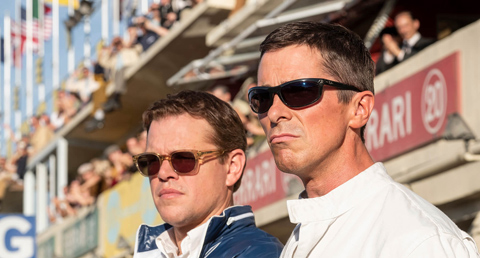
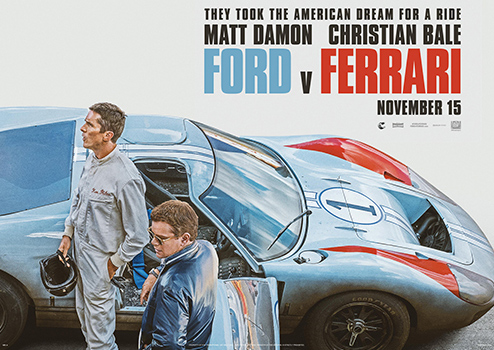
At the center of the 2.5-hour film, however, are two men without whom the four victories between 1966 and 1969 might never have happened: Carroll Shelby (played by Matt Damon) and Ken Miles (Christian Bale).
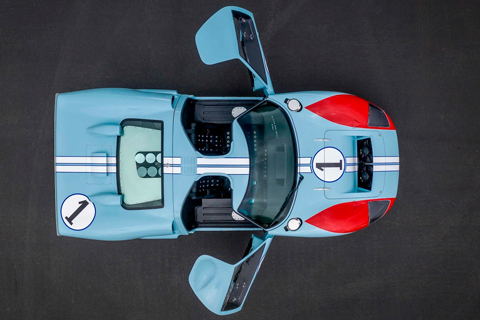
Now, the film "Le Mans '66" (or "Ford v Ferrari") is not a historical documentary but a well-told story, so things are left out and others are over-exposed. For example, we learn nothing about the fact that the Lola GT was bought as the basis for the Ford GT40 and that it took three attempts for the GT40 to win at Le Mans, although the failure in 1965 does appear in the film. The huge personnel resources and the practically unlimited means that Shelby was able to deploy, such as five engine test benches, are also hardly an issue; instead, the success is attributed to Shelby and Miles, as befits a good heroic story. And even if the final scene is typical Hollywood emotional cinema, Carroll Shelby was in fact also concerned that Ken Miles' victory in 1966 had been stolen from him, so to speak.
Leaving aside the fact that some things are grossly exaggerated and others are at least not completely accurate, the movie is a really well-made racing movie in which the cars play an important role and in which they appear very realistic. This starts with the 1959 Aston Martin DBR1, which Shelby drove to victory at Le Mans. And it continues with the races with the Shelby Cobra, with which Ken Miles proved that he was a force to be reckoned with. And the racing cars and the entire Le Mans starting field of 1966 are very well shot. The driving scenes also look realistic, even if the Mulsanne is all too often driven over at a distance of ten centimetres from the side. And as is so common in these Hollywood films, the drivers always have time to look at each other at 200+ km/h. Of course, there is also too much gear shifting - after all, the GT40 Mk II only had four gears, whereas in the movie it feels like six or seven. However, other films (e.g. Bullit) did much worse in this respect.
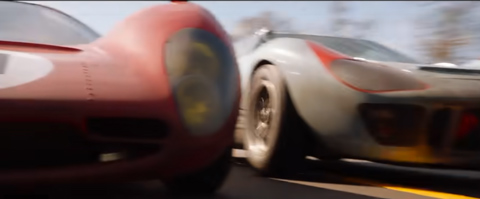
Hardly any CGI (Computer Generated Imagery) was used, the driving scenes and even the accidents are based on real vehicles. Of course, no originals were sacrificed, but they were diligently recreated. The result is great and a pleasure to watch.
You certainly won't be bored during the 150 minutes the movie lasts. As a car fan, you would of course have liked to have seen more driving scenes, but the story is well realized as it is.
"Le Mans '66" is now showing in cinemas and is definitely worth a visit. The trailer offers an impression: