30 years of progress again and again

There is always a debate about when the automobile made the most progress. Well, this is a truly philosophical question and the answer is a question of perspective. But let's take a look at four vehicles that we have driven in recent weeks.
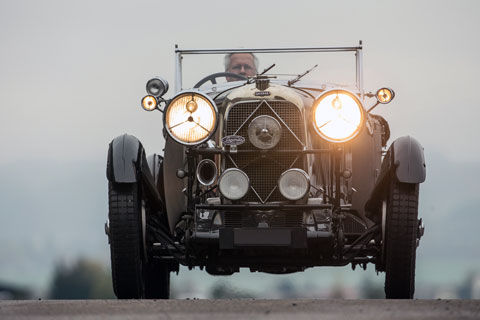
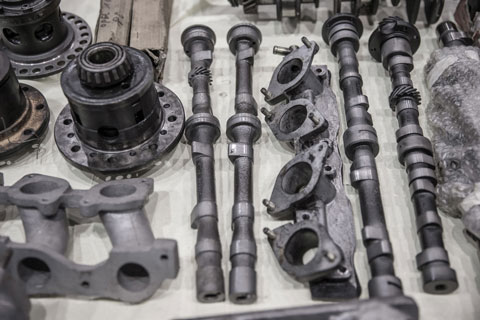
So let's start with the Lagonda2 Litre, which represents the 1920s, a thoroughly sporty car with a powerful four-cylinder engine, but with few comfort features. The accelerator pedal is in the middle, the "H" of the gearshift is reversed, so first gear is on the right at the front. You sit on the right, but there is only a door for the driver to get in on the left. The driving characteristics, although probably above average for the time, took some getting used to.
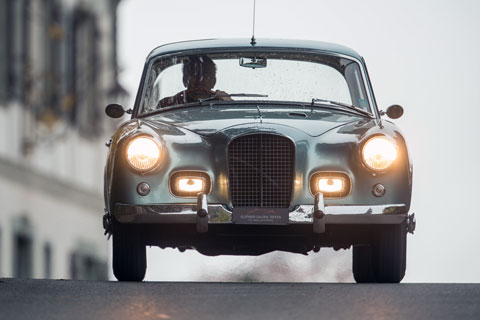
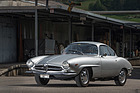
Thirty years later, the AlvisGraber Special was created, a coupé for discerning customers, specially bodied by Herrmann Graber's sheet metal artists. Almost everything works in the same way as in today's modern cars, and small differences can almost be seen as examples of character. However, modern comfort features such as air conditioning or intermittent windshield wipers are missing. Nevertheless, this car could be entrusted to anyone capable of driving, it can be driven even without intermediate throttle knowledge, only a clean line on the country road requires some practice.
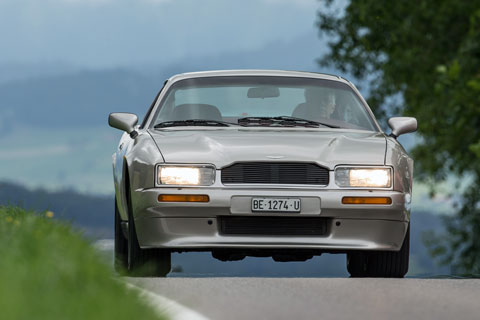
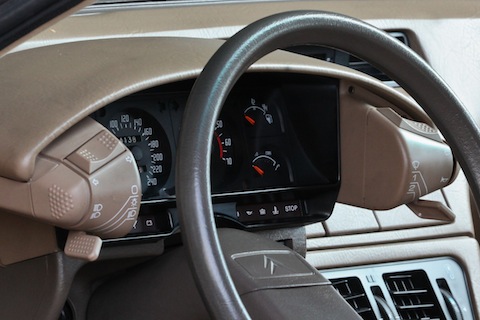
Another 30 years later, the Aston MartinVirage was built, with a powerful eight-cylinder engine at the front and lots of electronics on board. ABS helps with deceleration, wide tires and a well-balanced chassis keep the coupé on the road. The differences to today's car seem minor, at least in terms of operation. Or so one would think.
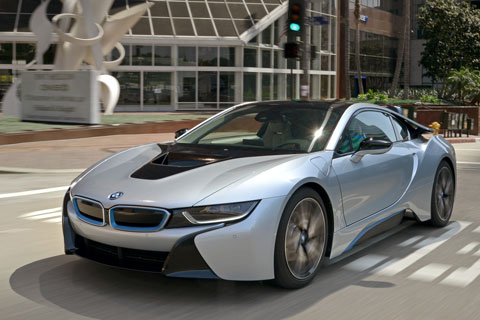
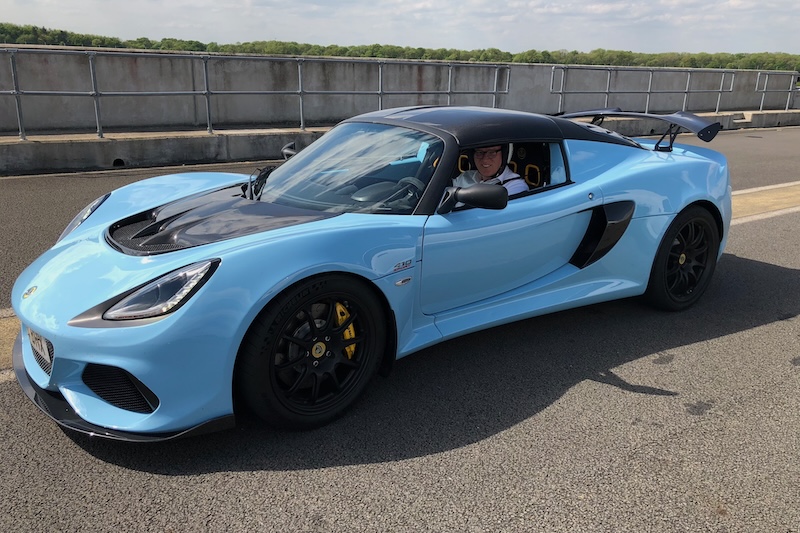
But when you switch from the Virage to a BMWi8 , you realize how much the car has changed again in the last 30 years. A fully digital cockpit with head-up display, two electric motors and a petrol engine responsible for propulsion, sound systems, state-of-the-art material technology that reduces the weight to around 1400 kg despite the batteries and complex drivetrain - compared to the Virage, the i8 looks like a spaceship from the future.
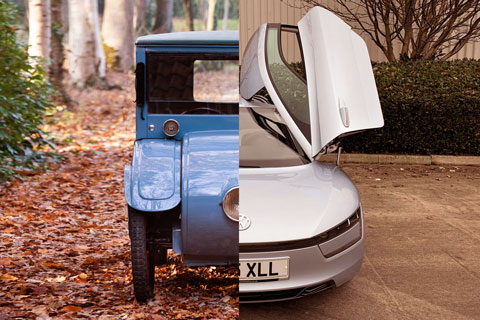
Let's go back to the question posed at the beginning. There was certainly a big difference between 1930 and 1960 and a smaller one between 1960 and 1990, but the technological leap that we are experiencing with the current generation of vehicles is probably at least as great as the development that took place between 1930 and 1960. However, the greatest progress was certainly made between 1900 and 1930; it was no coincidence that people in the 1920s had the feeling that the car was now fully developed ... Today we know that the pioneers were not quite right ...