The diesel - highs and lows

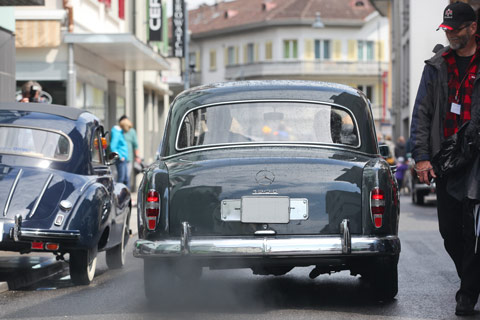
In Germany, a stretch of highway is now to be banned for diesel vehicles. This means that it is no longer just main roads and neighborhood streets in city centers that will become restricted areas, but also inter-regional connecting roads and expressways. Diesel has lost a lot of prestige in the last three years, even though the technology actually allows relatively clean and above all economical transportation without any problems.
The fact that the proportion of diesel cars has grown to the extent that it is today is partly due to politicians who have given diesel fuel a clear tax advantage over petrol (e.g. in Germany and France). This made diesel cars interesting, even when they were still lagging far behind their petrol engine counterparts in technical terms, not only in terms of performance, but also in terms of ease of use and driving comfort.
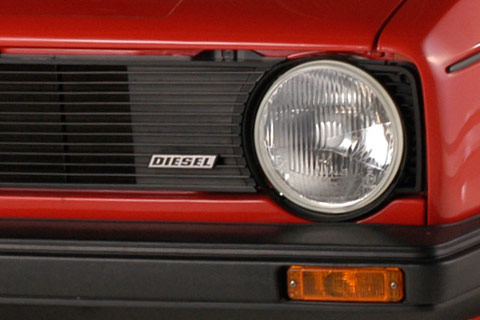
With the VW Golf Diesel or the Peugeot 205 Diesel, the diesel engine also became interesting in compact cars in the seventies and eighties, and by the new millennium the diesel had long since become the standard drive for every vehicle category. Car manufacturers invested and achieved a "diesel performance" that would hardly have been thought possible in the sixties.
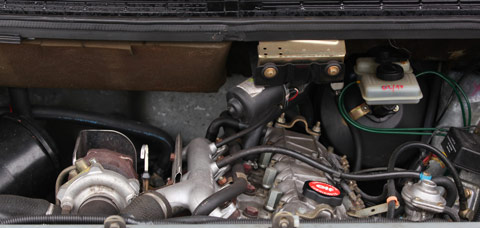
The output per liter of displacement was on a par with the petrol engine, and the diesel engine was even ahead in terms of torque. The only thing it never completely forgot was the nailing, but here too, new technology and encapsulation provided relief. Even convertibles and sports coupés were given diesel engines, and with particulate filters and exhaust gas aftertreatment, the diesels fell below the strictest environmental protection standards - at least in the laboratory, as we now know. But that does not mean that it would not have been possible in general.
The cheating ("Diesel Gate") of the car manufacturers, driven by a desire to save money and increase profitability, has made the diesel a disfavored product. And the same politicians - of course they are no longer exactly the same - are now carrying the diesel to its grave. Now, when it is perhaps needed more urgently than ever because of the CO2 problems.
So we have come full circle, without having found a real solution to the mobility problems of the future, because the electric car in its current form is almost certainly not the answer to all questions ...
Addendum: Diesel has never played a major role in classic cars, and the current condemnation of the technology is likely to mean that it will continue to do so in the future, despite the high proportion of diesel in vehicles built from 1990 onwards ...