The blessing and horror of your own engine


It's hard to imagine a Ferrari without a Ferrari engine, and the situation is similar for Maserati and Jaguar. But right from the start, car manufacturers recognized the high level of complexity involved in developing their own engines and therefore looked for other ways to power their cars. In most cases, they then bought in the engine and hid this fact more or less well.
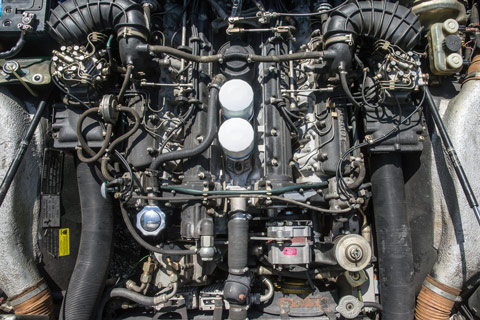
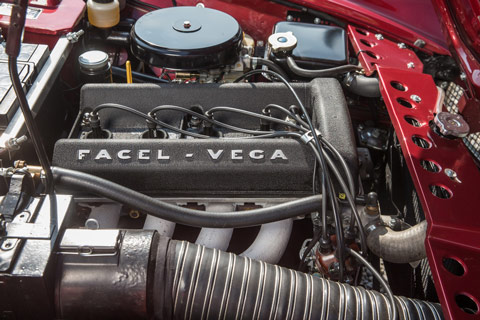
Nevertheless, the self-designed engine was always the icing on the cake, and so TVR, for example, also began to build its own V and R6 engines in the 1990s. Facel Vega had also embarked on this elaborate project for the small Facellia and practically went under.
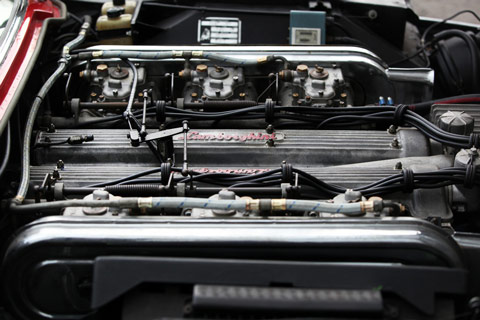
Other manufacturers, from whom one could actually have expected home-made engines, refrained from in-house developments and worked together with external companies. McLaren, for example, installed BMW 12 engines in the F1, Pagani used/uses units from AMG-Mercedes. At Aston Martin, the engine source changed repeatedly, but after the in-line six-cylinder engines of the 1960s and the V8 engines that were used until the 1990s, Jaguar units or assembled Ford engines were also used; today there is an engine cooperation with AMG-Mercedes. De Tomaso never built its own engines into its sports cars, nor did Iso Rivolta or Monteverdi, but the Italian sports car manufacturers ASA and ATS, as well as Serenissima and Bugatti (EB110) did.
And does having your own engines also have a positive effect on the esteem in which a car is held for 20, 30 or 50 years? Not necessarily! In any case, the McLaren F1 has not suffered from the "foreign" engine, if you look at the prices fetched at auctions. The same can be said of Iso Rivolta or De Tomaso. At TVR, the cars with their own engines are hardly worth more than those powered by Rover, MG or Ford engines. At Facel Vega, Facellias with Volvo engines are often even worth more.
So the company's own engines don't really seem to pay off in the short or long term. Exceptions prove the rule...