What we have to do in the old car

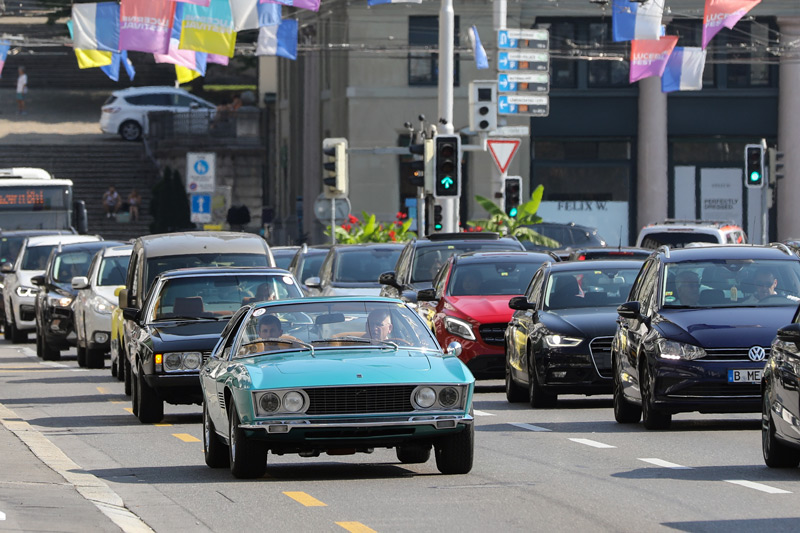
The modern driver in the modern automobile relies on a variety of helpers, also known as assistants. This becomes particularly clear when they come to a red light on an incline, have to stop and wait. The transmission, which is typically automated these days, then shifts down automatically and when the car comes to a standstill, the on-board computer prevents it from rolling back (Hill Holder). If the engine is warm enough, the automatic start-stop system switches it off to optimize fuel consumption during the waiting time, while all power consumers important for comfort and safety (lights, ventilation, radio, etc.) continue to run. When the traffic lights turn green, the process continues in the same way. The driver releases the brake, the engine restarts automatically, one press on the accelerator pedal and the car moves forward safely, even without ever being prevented from rolling backwards by a handbrake.
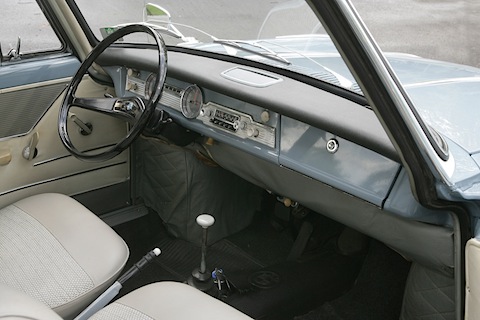
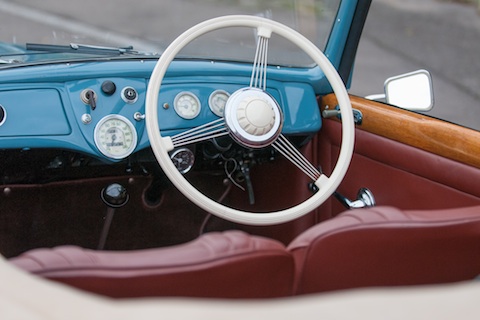
A few years (or even decades) ago, this was different and the whole "man" (or "woman") was still required at the steering wheel. When you saw a red traffic light, you shifted down manually, depending on the vehicle even with intermediate throttle. Once at the traffic lights, the cautious person applied the handbrake to prevent the vehicle from rolling backwards when it was started. Whether the engine could be switched off depended on a number of factors, which the driver naturally had to evaluate himself. The state of maintenance, the heat of the lubricant and coolant and the condition of the battery determined whether it made sense to switch off the engine. If the engine remained running, it was often necessary to ensure that it did not stall with targeted sporadic bursts of gas. During longer waiting periods, the transmission was naturally shifted into neutral and the clutch was released to protect the mechanics. If the traffic lights turned yellow and green, the engine had to be restarted by pressing the start button or turning the key with minimal throttle input if it had previously been switched off. First gear could be re-engaged and by elegantly interacting with the accelerator, clutch and handbrake - this required the coordinated operation of two pedals and a lever - the vehicle was started up the slope. Experience was required for this maneuver and so starting off on a hill was practiced intensively by prospective drivers in driving school. Today's 18-year-olds, spoiled by modern technology, will soon no longer even be able to imagine this ...