Ventilation then and now - the increase in complexity in automotive engineering


Anyone who gets into a modern car often needs a briefing or a long look at the operating instructions to be able to adjust the interior ventilation to their needs. One (or more) on-board computer monitors the direction and speed, but also the heating or cooling of the air flows, controlled by parameters that can be selected via several menu levels in the climate control dialog on the LCD screen in the center console.
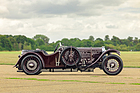
Of course, this used to be much simpler and more straightforward. In the beginning, the open roof or a sliding side window was enough anyway, later there were ingenious solutions such as fold-up windshields (as in the 1937 Buick Eight, pictured above).

The Ente(Citroën 2 CV) had a practical flap below the windshield that could be opened with a rotary knob. On some cars, such as the Fiat 2300 S Coupé, a flap on the side could be opened to allow air to flow into the footwell.

And we recently reported on the movable triangular windows, which contributed greatly to a good climate in the interior.

Until the 1980s, the solutions were simple and easy for the passenger to understand(as in the Citroën SM pictured). Pulling a button or moving a ventilation bar triggered a mechanical action directly. Today, electric motors start whirring and computers regulate the direction of the air flow, if you can master the operating finesse. Modern systems are certainly no less distracting...