Eleven years old

Cars are getting older and older. This is actually logical, because the date on which individual motorization began is fixed. But that's not what we mean here. The average age of cars registered for road use is constantly increasing. Depending on the country, we are currently at eleven years or even higher.
Eleven years may still sound low, but because new cars are constantly being put on the road, the number of older vehicles must also be constantly increasing. And their age may then be 20, 30 or even 50 years. This is the only way to achieve an average of eleven years. And because the number of purely collector's vehicles and classic cars is comparatively small, many older vehicles must still be on the road on a daily basis.
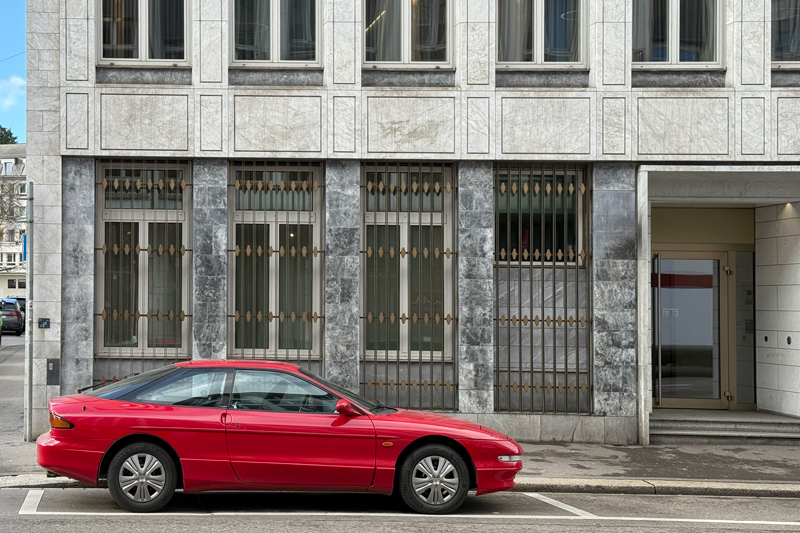
And, indeed. If you take a closer look at the cars you come across even in winter, there really are a lot of vehicles that are at least classic cars, and in many cases even vintage cars. VW Golf II, Golf III or even Golf IV, Mercedes-Benz W123/W124, BMW E36/E46 and many others drive past us all the time. But exotic cars such as the Ford Probe or a Lancia Thema are also part of everyday traffic.
Some of these drivers probably don't necessarily want to drive a classic, but choose not to replace their car with a newer model because the car does everything they want it to do. And the discussion about " peak car " shows that there can be good reasons to hold on to an old car.
The constantly rising prices of new cars and the increasing complexity of cars (also in terms of operation) do a lot to encourage people to keep their old cars for longer and not change them.
And so cars are getting older and older; in the last five years or so, the average age has risen from under 10 years to around 11 years.
Okay, it will be a while before we reach 15 or 20 years, but the trend is clear. The transition to collectible young or classic cars is then almost seamless.