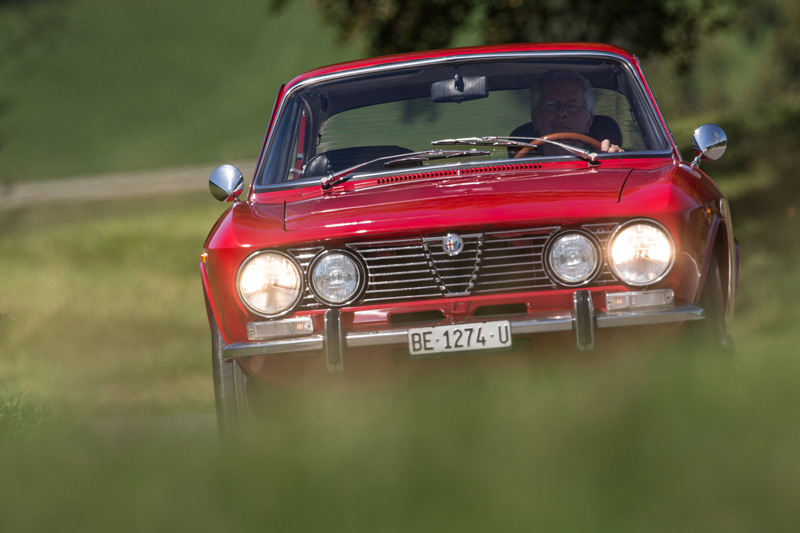
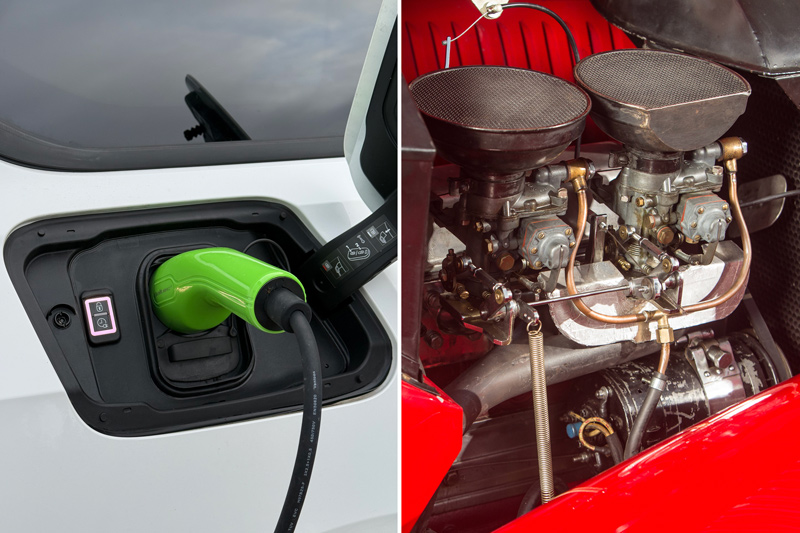
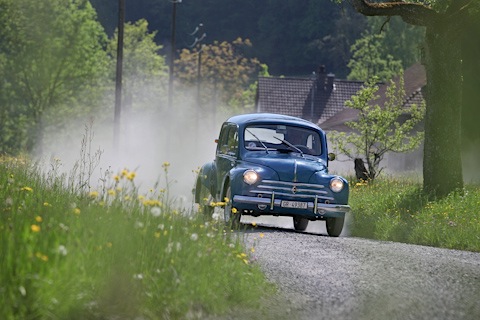
What does driving pleasure have to do with condition?


We have many opportunities to drive a wide variety of vehicles as part of our job. The assessment of the driving pleasure factor finds its way into many of our reports.
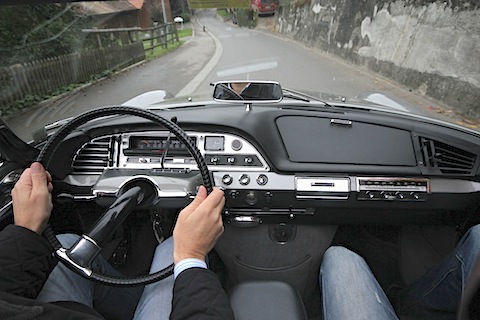
There are, of course, many factors that can influence driving pleasure. These include handling, driving performance, background noise, but also the seating position and location of the controls.
Some of these criteria have certainly changed over time; for example, the almost reclining seating position offered by sports cars in the 1970s was more popular back then than the relatively upright position found in pre-war classic cars.
Today, of course, people look at this differently and we are certainly more likely to "measure" driving pleasure against the comparative vehicles from the period in which a car was built.
However, one factor that plays an important role in whether a drive is enjoyable, especially with cars that are now over 30 or 50 years old, is the condition of the vehicle. If gears jump out, the engine doesn't run smoothly, brakes don't pull or pull unnecessarily to one side, then driving a classic car, no matter how good its design, is clearly less fun. Mechanical health is one of the deciding factors as to whether the corners of the mouth go up when driving, while the visual condition actually plays a subordinate role in the assessment of driving pleasure.
... But perhaps our readers see things differently?