Safety versus aesthetics in historic racing

We always like to reminisce about the "good old days". And historic motorsport in particular is the perfect opportunity to travel back in time, for example at Goodwood or the Oldtimer Grand Prix at the Nürburgring.
However, modern safety requirements do not stop at old racing cars. Rules and regulations are also trying to make historic racing safer, which is a good thing in itself.
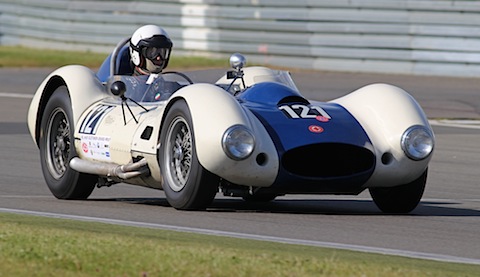
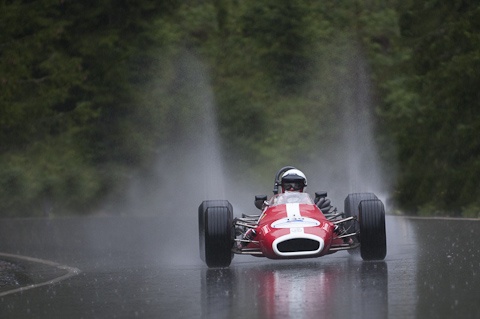
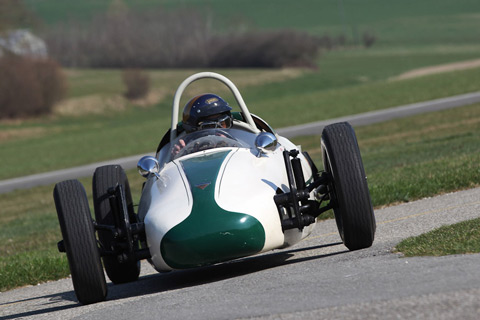
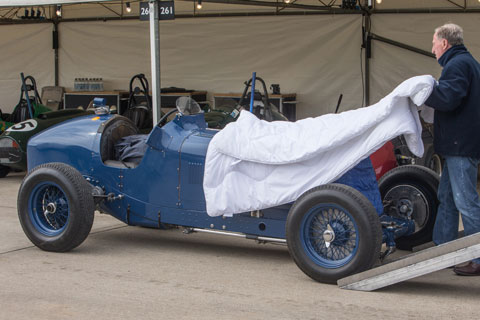
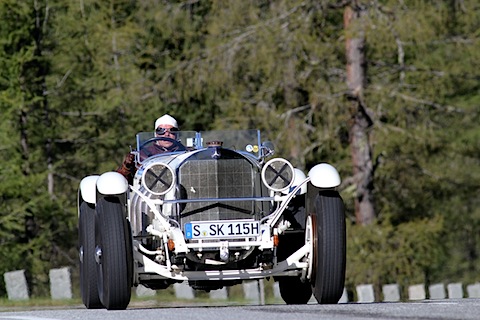
However, the effects are not only positive. An old racing car looks best when the crew is also reminiscent of the past. A Mercedes-Benz SSK driven by a driver in a balaclava is appealing and the open helmet is as much a part of a Formula Junior racing car from the early 1960s as ketchup is to French fries.
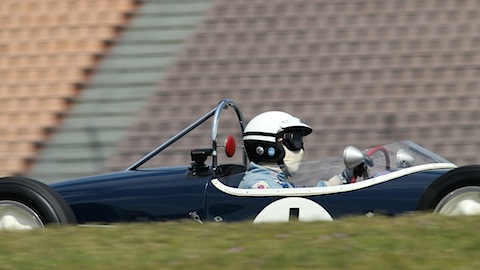
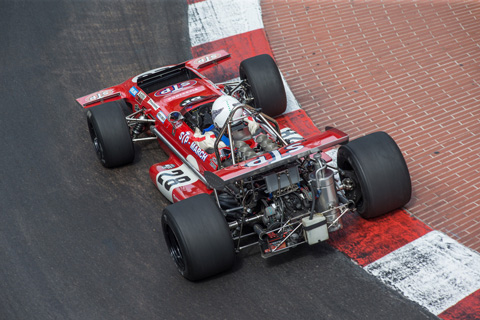
But the open helmets and racing goggles are increasingly disappearing, today almost every historic racing car is fitted with an often huge roll bar, drivers strap themselves in with extra-wide four, five and six-point harnesses, the drivers' suits are getting thicker and thicker, and soon a Hans system will be worn in the Lotus 23, just like in a modern Formula 1 or DTM car.
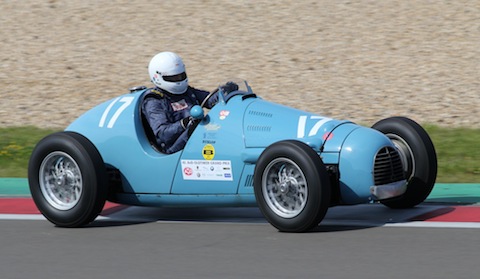
All these modifications increase safety, but aesthetics are sacrificed in the process. Siffert, Clark and Hill drove their races with open helmets and looked good doing it, Nuvolari and Hans Stuck even wore a leather cap in their racing cars. Sports cars of the fifties delighted with their elegant silhouettes, which were not disfigured by roll bars.
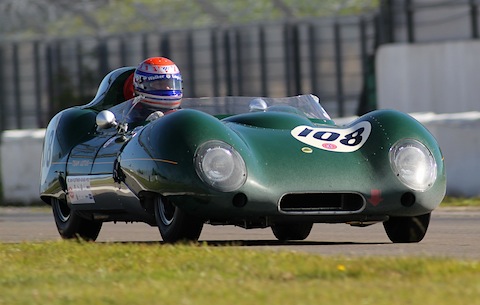
How authentic should historic motorsport be? Do we want to bring back the images or apply modern safety requirements to old racing cars? We don't want to judge or make recommendations here. Safety is important, no question. But from a spectator's point of view, we are always grateful when drivers still venture onto the racetrack today with open helmets and when racing cars really do still look the way they did in the fifties and sixties, especially when it's about demo drives and not dogged racing.