The pitfalls of manual timekeeping at Sebring


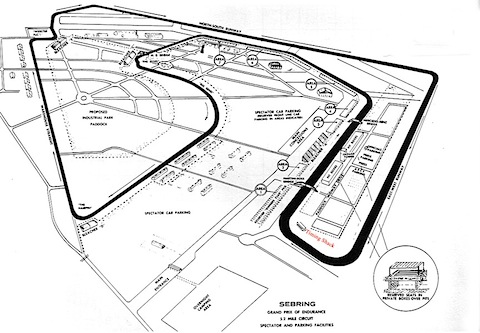
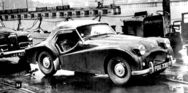
Around fifty years ago, there were no "transponders" or other electronic aids to record the drivers' lap times; everything was done by hand. At Sebring, there was the "Time Shack", a shack at the last corner before the finish line where drivers drove slowly. Around 30 volunteers sat in this shack (visible behind Dan Gurney's Lotus Cortina in the picture above) and used the official clock to document the lap times of two or more cars. When the car passed, the timekeepers simply wrote down the time as shown on the clock. They passed the notes on to a person who consolidated everything into an overall compilation.
Of course, this relatively rudimentary process was not immune to errors. The longer the race and the more tired the timekeepers became, the more mistakes could happen. For example, in the 1967 Daytona race, the hourly rankings could only be communicated after an eight-hour delay!
Today, of course, the times in races are measured at the start and finish, but in the past the field was first fanned out and spread out to make the work of the timekeepers easier.
Incidentally, this manual timekeeping method also made for some exciting stories (and red heads), such as at the Sebring endurance race, when the wrong driver was probably awarded the winner's trophy - Mario Andretti instead of Steve McQueen. This story is extensively documented in the article "60 years of Sebring - A look back" .