
Plug-in hybrid for vintage and classic cars - with a clear conscience
Vintage and classic cars do not usually have a particularly good reputation when it comes to ecology, as the exhaust regulations and quality were not always the best in the past. Yet these vehicles often make better use of our resources than modern vehicles, because the energy required for production was significantly lower and it is also utilized for much longer.
Now, however, it is possible to offer modern hybrid technologies to classic car and youngtimer drivers too and thus ease the burden on their conscience. Plug-in hybrid is the magic word here. In this context, plug-in does not mean being able to connect the car to the power grid at home, but rather being able to integrate the entire unit into the car relatively easily.
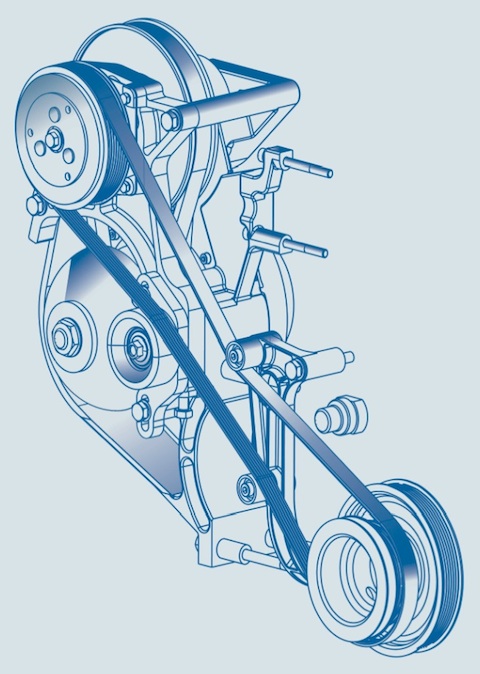
The pioneer for classic and modern classic car plug-in hybrid technologies is the company EAS, which uses European engineering and Chinese production technology to offer affordable retrofit hybrid solutions for the most common classic and modern classic cars. The technology consists of a generator/drive support unit (see picture above), which is docked directly onto the engine's V-belt, a control unit for monitoring and a battery unit, in this case equipped with maintenance-free and long-lasting supercapacitors to avoid the annoying battery problem. The motor/generator unit takes power from the V-belt when available and returns it when needed, improving the efficiency of the overall system. Sounds simple, but requires a lot of ingenuity and engineering knowledge.
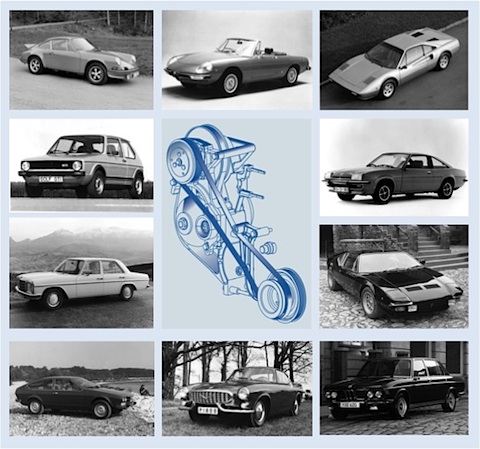
The entire unit is relatively light, around 38 to 52 kg depending on the mounting kit, so it weighs less than a passenger, which many riders of classic bikes rarely carry anyway. The module can be installed in 2 to 4 hours, but it is advisable to consult a specialist. EAS is continuously expanding its sales and installation partner network. There are currently installation kits for a good two dozen popular classics, but there are also some rarities. Here is a picture from the brochure:
Practical tests over many thousands of kilometers have shown savings of around 8 to 20 % depending on the driving cycle and vehicle. The hybrid unit currently costs between 950 and 1400 euros, or 1280 to 1780 Swiss francs. Some Classic Centers of the major manufacturers are considering support initiatives and even installation services.
The complete list of classic and vintage cars that can be fitted with the EAS hybrid plug-in can be found here. You can read more about the provider EAS here.
It is clear that a hybrid is not an economical choice, as the driving performance of most classic car owners is too low. With a plug-in hybrid, however, you can give your classic car another life and do so with a clear conscience.