From adding to omitting

Are you familiar with the "heavy metal umlaut"? In principle, it is exactly what the name suggests: a trema placed on any vowel in the name of a US hard-music band to give it an extra dose of "Nordic heaviness". In the otherwise umlaut-free native language, it has no effect, but in more umlaut-rich regions it results in an occasionally amusing pronunciation.
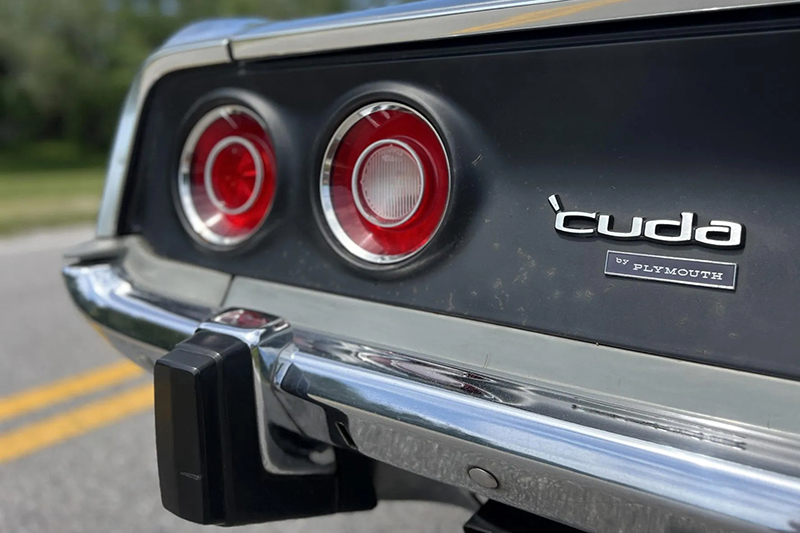
What does this have to do with Zwischengas? The small but crucial similarity that there was a similarly meaningless punctuation in the naming of automobiles. There, however, the apostrophe has established itself as the symbol of choice. After humble beginnings in the USA with Chrysler d'Elegance and Plymouth 'cuda, the Latin ellipsis established itself as a fashionable name suffix, especially in Japan.
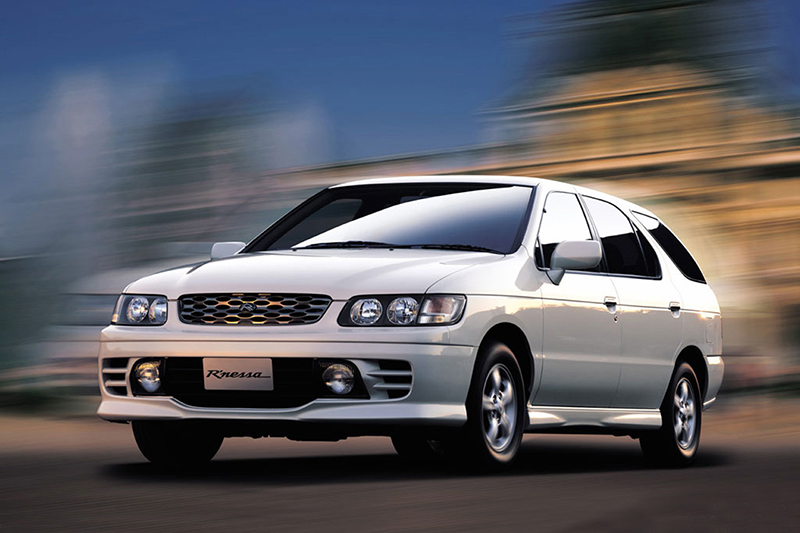
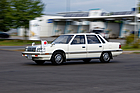
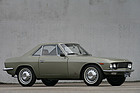
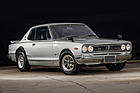
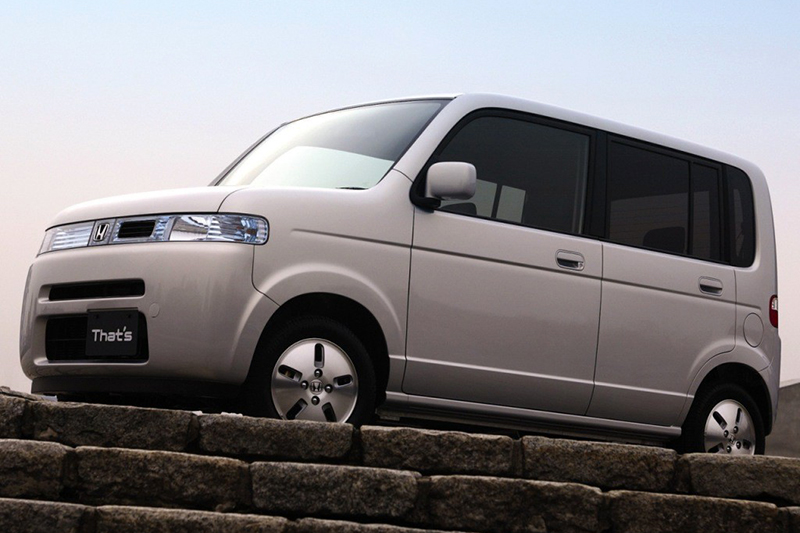
From 1981, the Isuzu Faster was sold on the US market as the Isuzu P'up. Nissan offered the Silvia coupé from 1988 in the J's, Q's and K's versions. From 1997, the Nissan R'nessa could also be found in the showroom. The highlight, however, came in 2002 in the form of the Honda That's, which was fortunately only available in Japan. It's hard to imagine how many "Who's on first"-type dialogues it would have triggered in English-speaking countries.
The most recent bearer of the automotive apostrophe was the Kia Cee'd from 2006, until South Korea came to its senses in 2018 and dispensed with the curious special character in the third model generation. The Peugeot Darl'mat from the 1930s, however, occupies a special position. They are not an overambitious neologism – but simply the surname of the designer.
There also is at least one example of the heavy metal umlaut in automotive history: Asüna – a brand founded by General Motors in 1992 to sell Japanese cars as "domestic" on the Canadian market. But the Canadians were not so easily fooled. After just two years, the brand disappeared again. Perhaps it would have been more successful as A'suna...