Please do not smoke!

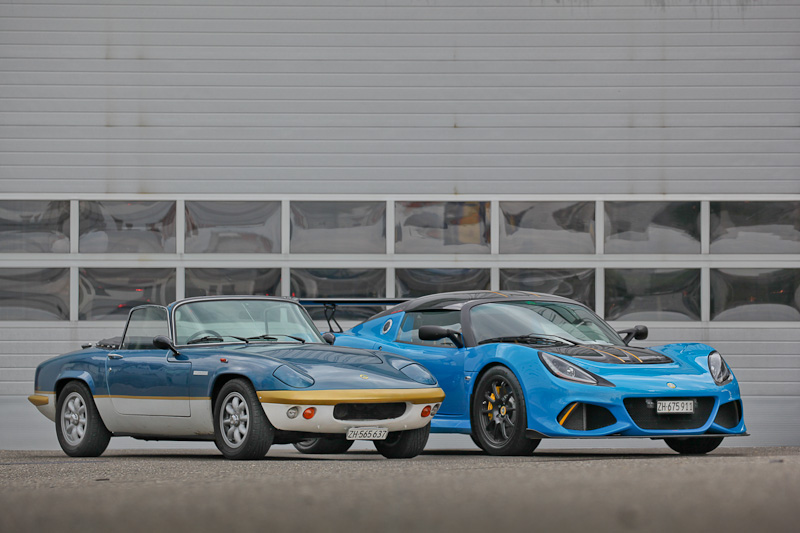
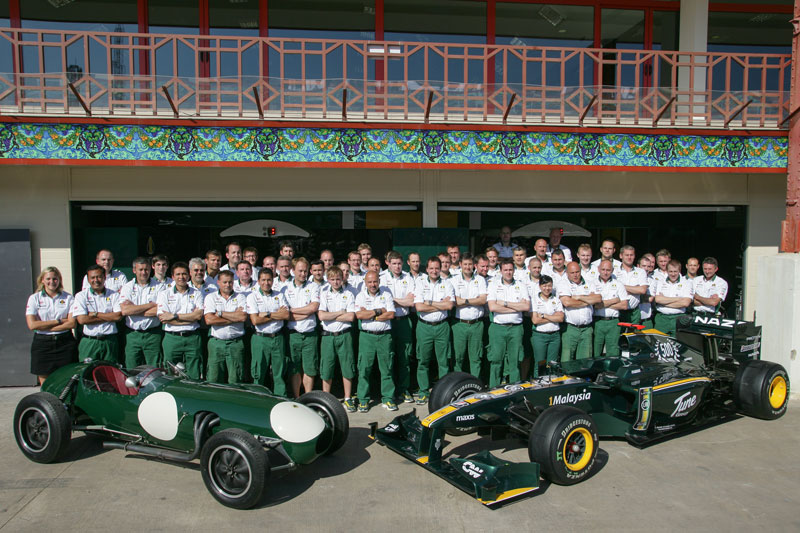
The Elise was introduced by Lotus 30 years ago and during its production period there were many special models and one-offs. I can remember traveling to Hethel four times in a single year to test a new special version or a limited series of the Lotus bestseller. Jean-Marc Gales, the Lotus CEO at the time, and I used to see each other a lot: "What, you again?" was his greeting, to which I replied: "What, you again?".
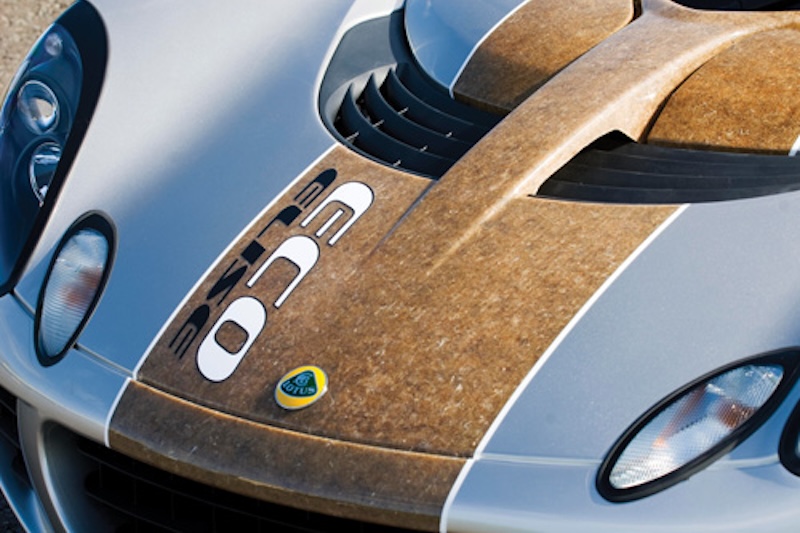
Of course I liked going there, well, first I flew to Heathrow, then I was picked up by a chauffeur with a limousine and driven to Norfolk. I learned all sorts of interesting things, such as the fact that the Lotus CEO allegedly (source: said chauffeur) had to walk for a while or be chauffeured because he was a bit too wild with "test driving" his own products and had to give up his driver's license. Or that Lotus had once made a car out of hemp. At the time, I jokingly asked what had happened to it, had it been smoked since then?
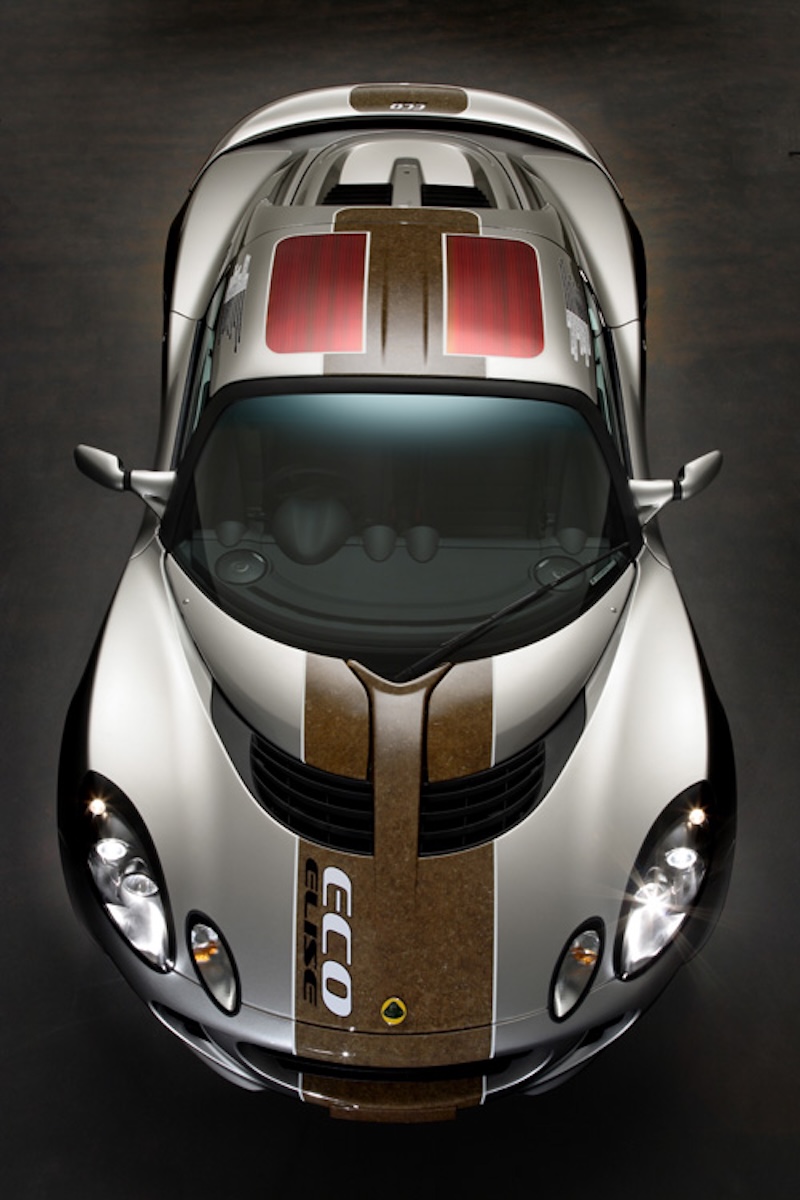
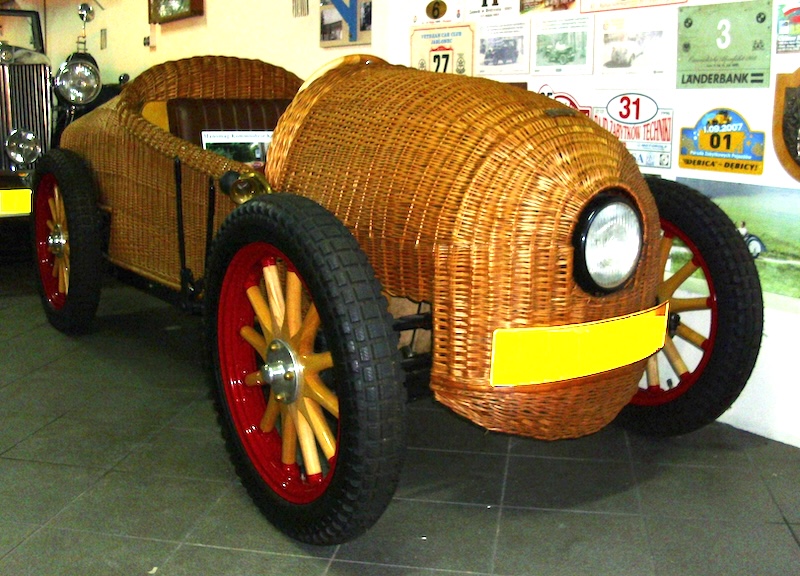
I haven't looked into whether the car still exists since then. I assume so: Yes, it still exists. Of course, back then, in 2008, the aim was to test sustainable materials that could be used to build a car. Among these examples from the automotive industry, the hemp Elise was definitely one of the more enjoyable experiments. And it is certainly not the only car made from natural fibers - or rather, with natural fibers. There was also cotton in the thermoset paneling of the Trabant. The add-on parts for the Porsche Cayman 718 GT4 CS or for BMW racing cars from the company bcomp look more high-tech. They are made of flax fibers, but the structure of the finished composite material resembles the woven look of carbon fibers. Renewable cars, so to speak. Mhhm: hemp, flax... Yes, that's right! Linen is the carrier material of Rexine, the stretch skin - an early form of artificial leather - with which Weymann patent car bodies were covered. So it's not so far-fetched that an automobile of any age would contain any crushed, boiled or otherwise - combed? - plant fibers can be found. The willow cane used for the bodywork of some racing Hanomag cars of the 1920s was probably really grown and used after a fairly short processing process, or to put it better: woven in!