Duck good, all good
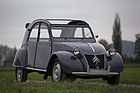
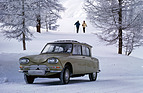
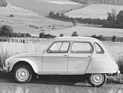
The duck hatched from its egg 77 years ago. In Switzerland, however, it does not bear this name, but is affectionately known as the "Döschwo". Thanks to its low purchase and maintenance costs, the Döschwo quickly became a Volkswagen that was driven by farmers and professors alike. Its meagre 9 hp output made it particularly attractive - saving money on road tax. In addition, its fuel consumption was low; according to a 1953 test report, the frugal car consumed less than 5 liters when driven appropriately.
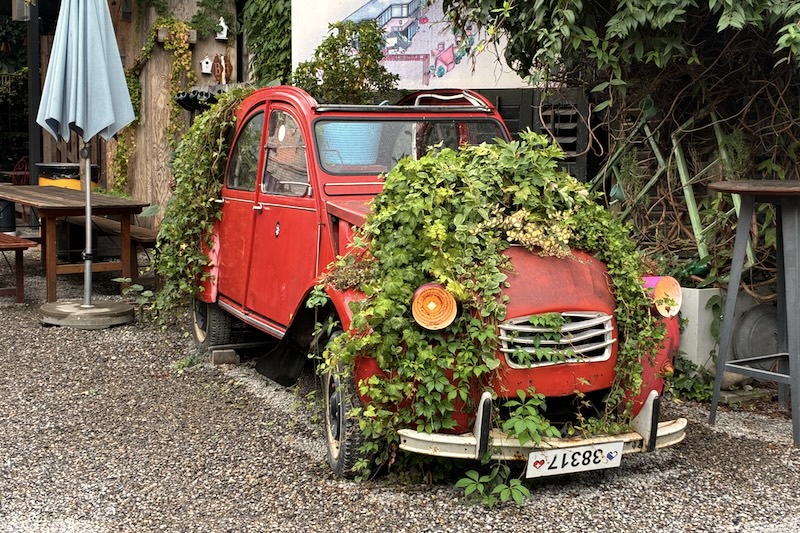
No wonder the Döschwo achieved cult status at the end of the 1960s as a symbol of a free lifestyle away from commerce and meritocracy. This specimen stands guard at the entrance to a hip garden pub in Zurich right next to the Prime Tower, once the tallest building in Switzerland. The restaurant with its roof terrace was piled up from old shipping containers and exudes a rustic charm. This is perhaps the Döschwo's recipe for success: as spartan as possible, but still stylish. In the evening, the container structure is a hip bar, but at lunchtime, students in linen pants meet bankers in suits - and somewhere in between, the intern from "Zwischengas".
After many years, the Döschwo has "finally" found a suitable resting place and is gradually being devoured by ivy. The tough climbing plant is not only a symbol of resilience: in the past, it was also believed to protect against the consequences of unbridled wine consumption. For this reason, Bacchus, the god of wine, is often depicted with a wreath of ivy. The ivy-wreathed Döschwo reminds guests to do the same when it comes to fuel consumption so as not to wake up the next morning as a lame duck. Incidentally, I couldn't find a duck dish on the menu, so the "two horses" would actually have been better suited to the garden pub "zum Gaul" opposite.