The missing something

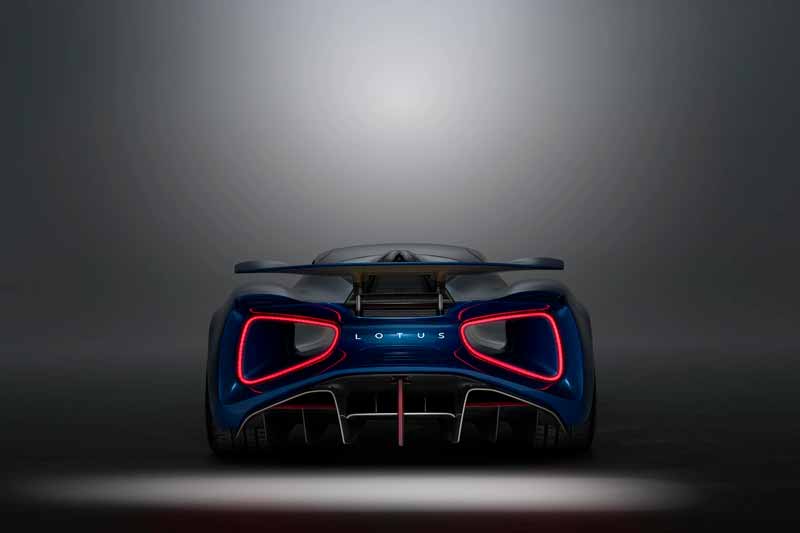
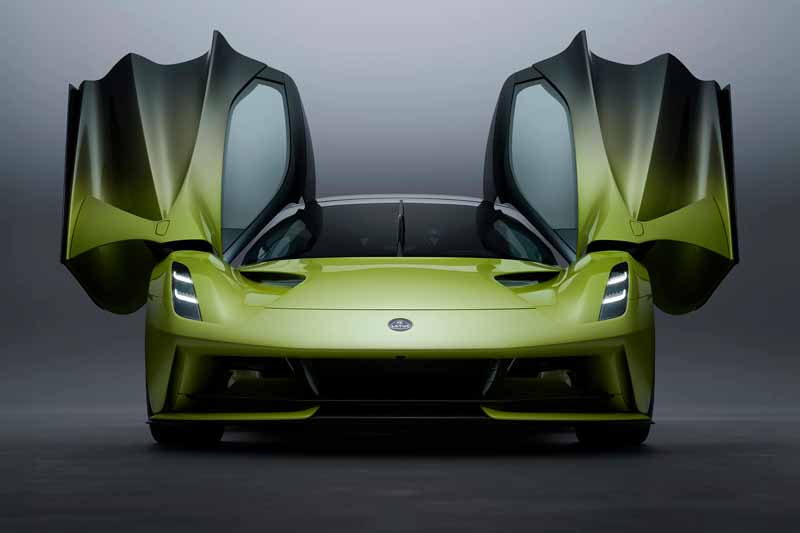
A few days ago, I watched the extensive driving test of the Lotus Evija from Top Gear on YouTube. This hyper sports car has been in the press for many years and was unveiled back in July 2019 - yes, it's been that long.
The British-Chinese hyper sports car with over 2000 hp and a maximum torque of 1704 Nm became famous, among other things, for turning right in a cloud of smoke shortly after the start at the 2024 Goodwood Festival of Speed and crashing. Series production was repeatedly postponed, but some cars are said to have been built and delivered for around USD 2.3 million.
The Top Gear test driver was impressed by the powerhouse with all-wheel drive and extensive control electronics, comparing the car, which incidentally manages without artificial engine noise, to a spaceship. The sprint from 0 to 100 km/h took two seconds, and seven seconds later 300 km/h was reached. The mid-engine sports car concentrates the weight of the battery behind the crew in order to achieve a classic weight distribution. The car has no recuperation at all; braking is only carried out using the massive disc brakes. According to the factory, a range of around 195 miles, i.e. around 314 km, should be possible with the 70 kWh battery pack, but Top Gear estimates significantly lower ranges, especially when driving in Sport mode.
Surprisingly, it is not so much the lack of a motor or the missing gearshift that stands in the way of the "hypercar", but rather the fine-tuning when used on public roads.
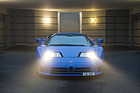
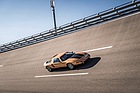
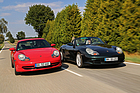
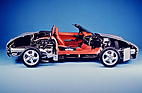
Well, from my point of view, something is being forgotten here. And anyone who has ever had the pleasure of driving a Lamborghini Miura, a Ferrari F40, TVR Tuscan or even an Alfa Romeo GTV6 or Porsche Boxster (with a six-cylinder engine) will perhaps understand what I'm talking about.
If you sit in the Lotus Evija and press the start button, nothing happens at all. But in a Lamborghini or TVR, the whole car comes to life when you turn the ignition key. It starts with the lusty screech of the starter motor and then continues with an increasingly uniform rotation of the engine. Even at this point, the hairs on the back of your neck stand up; as the pilot, you are right in the middle of the action and you haven't moved a meter forward yet.
The tangible technical fascination that emanates from a reciprocating engine cannot be compensated for by an electric car, no matter how much power and propulsion it has. Perhaps this is why the Lotus Evija is not selling particularly well?