Hexed mechanics

Many years ago, a school colleague gave me a model engine, a classic glow engine with about 3.5 cubic centimeters from the Japanese manufacturer OS. He said: "This engine is jinxed, there's something seriously wrong with it, it won't run and I've already tried everything, it doesn't want to, there's some kind of curse in it!"
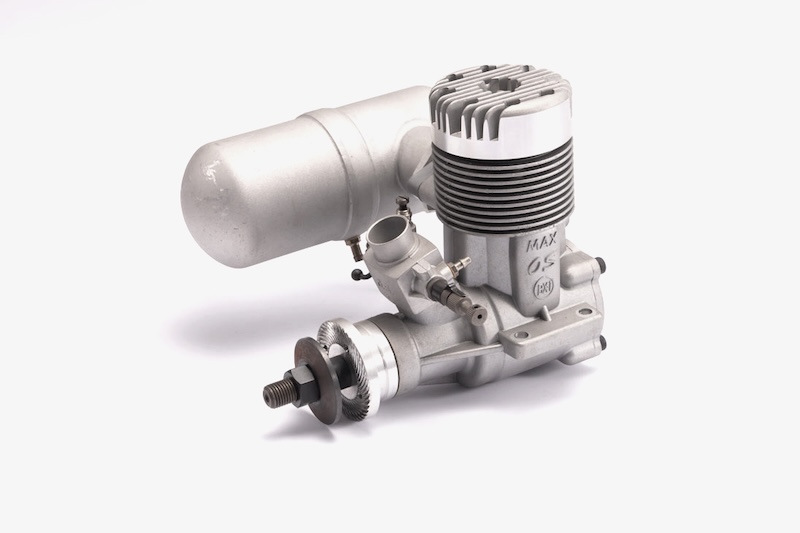
The colleague had built himself a recumbent bike out of avional tubes at the age of 12 and already had a glider license at the age of 16. In short, he knew a thing or two about technology and screwdriving. I, on the other hand, had never owned a model engine before and basically had no idea, but I gratefully accepted the offer. And indeed, the thing wouldn't run under any circumstances. It was impossible to start it. It went so far that I was about to throw the model engine in the garbage can - until I noticed by chance and thanks to an exploded view of a similar engine that someone at the factory had obviously pressed the steel cylinder liner into the aluminum cooling jacket in a twisted position. The overflow slots were in the wrong position!

I pressed the liner out, aligned it properly, pressed it back in and lo and behold, the engine ran (and filled my hobby room with infernal noise and acrid smoke, the fuel used was still legally class 3 toxic at the time).
Sometimes measuring helps!
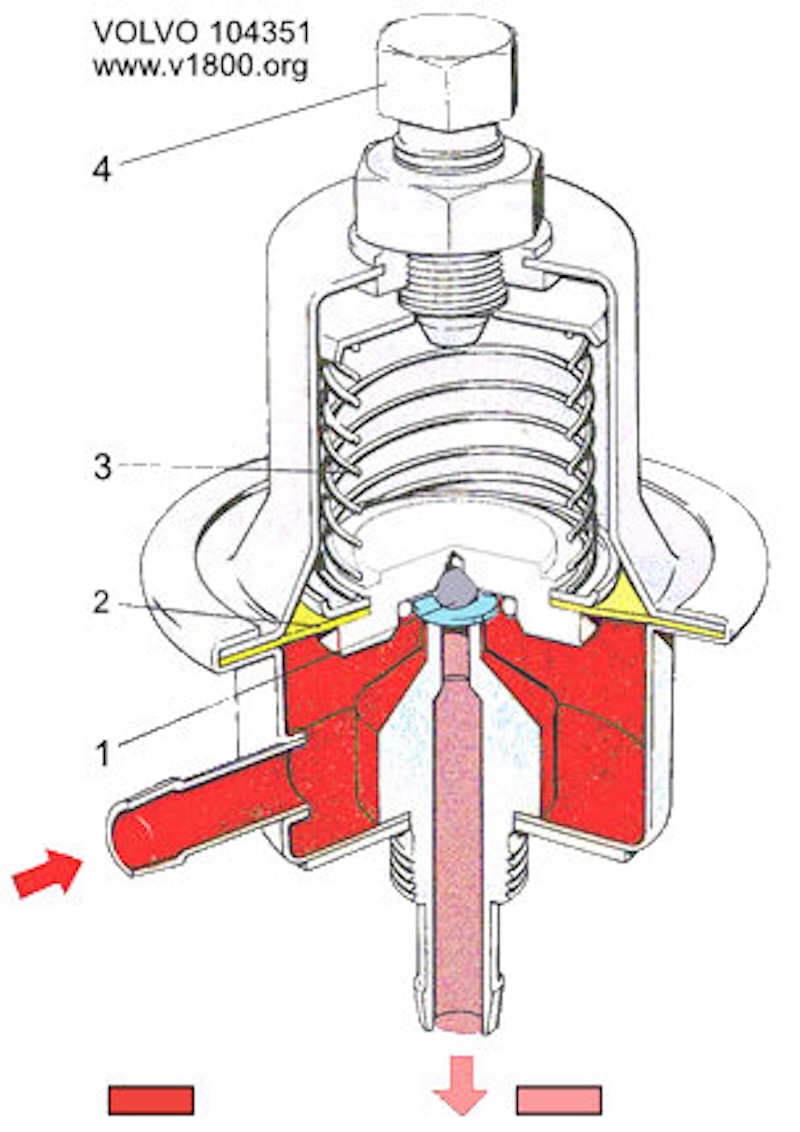
Another time, a good mechanic friend bought a Volvo P1800 Sport with Bosch D-Jetronic fuel injection. The previous owner had parted with the car after many years of annoyance, having already had the cylinder head overhauled twice at great expense. But the car still didn't run properly. Now the car was sitting in my friend's garage, causing him to frown - until someone came up with the idea of checking the fuel pressure of the injection system. The D-Jetronic works on the principle of a constantly pressurized ring line on which the injection valves are opened and closed electromagnetically. If the pressure is too high, the injection valves cannot hold it and gasoline drips into the intake manifold and the mixture becomes too rich. In fact, this pressure was twice the correct value, the pump normally delivers four bar, the pressure reducing valve - with return flow for the excess gasoline into the tank - reduces this to two bar. Although it was adjustable within a certain range, it had seized up. After replacing it - unfortunately an original part that is now extremely expensive - the car ran perfectly.
The Spitfire sends its regards!
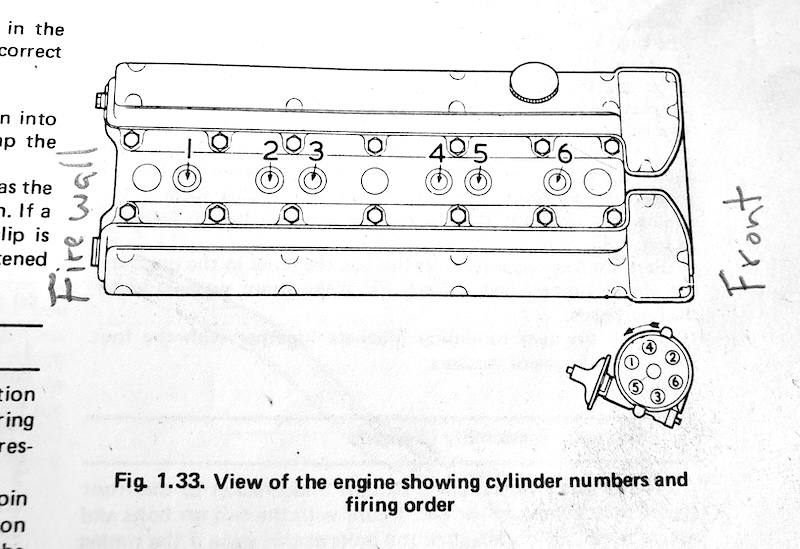
And recently it was a Jaguar "S" that seemed untreatable. The thing just wouldn't start, despite a revised carburetor and renewed ignition system. In the end, however, the ignition seemed to be the problem, the garage gave up in frustration and offered the car for a ridiculously low price. In this case, it took a little tip from a connoisseur to my friend who had taken care of the "S" to fix the problem: Jaguar numbered the engine's cylinders from the bulkhead to the front, as in an airplane, instead of from the radiator to the rear in the direction of travel. Once the ignition cables had been reconnected correctly, the cat ran perfectly.
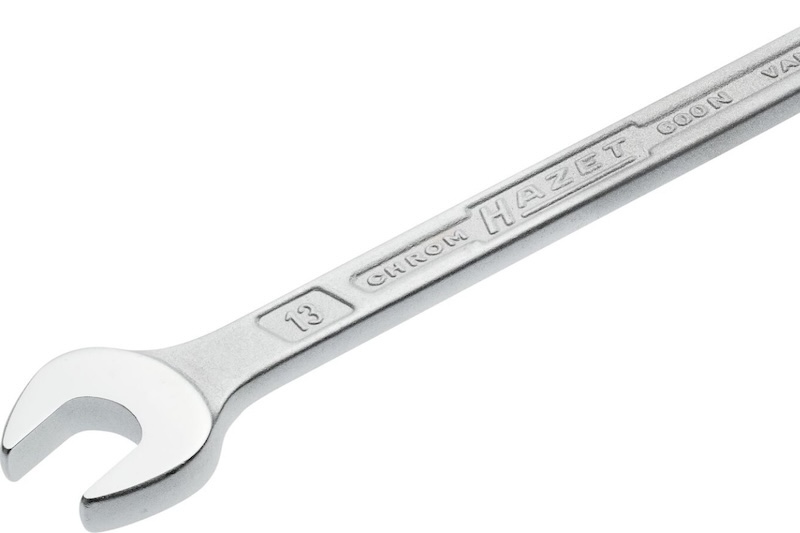
By the way, my 13mm ring wrench is really jinxed, I'm always looking for it. Whenever I need it, it's not there, so I bought a second one. But with this one, I regularly forget where I've just put it...