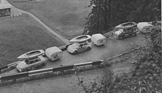
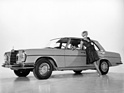
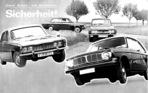
Classic car driving is becoming increasingly demanding

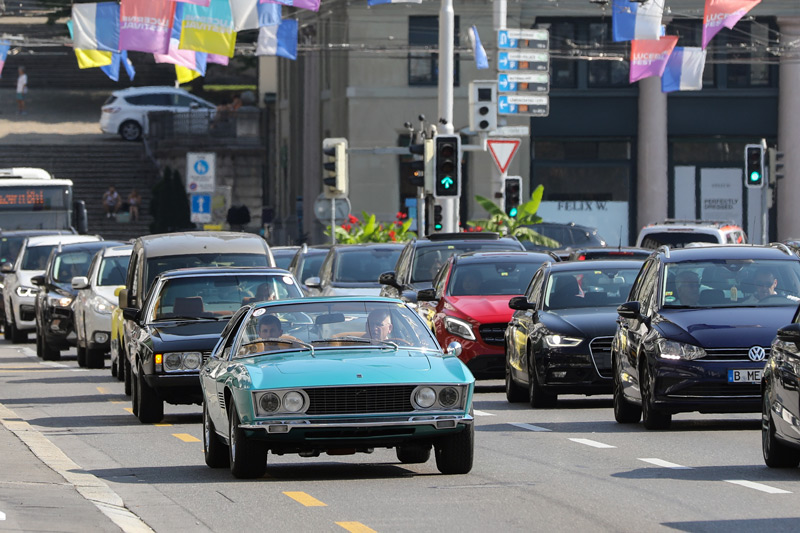
We are increasingly hearing classic car enthusiasts say that they generally no longer drive their classic cars in large cities and avoid busy roads. And this has nothing to do with legal regulations or driving restrictions, but rather with their experience of driving on today's roads.
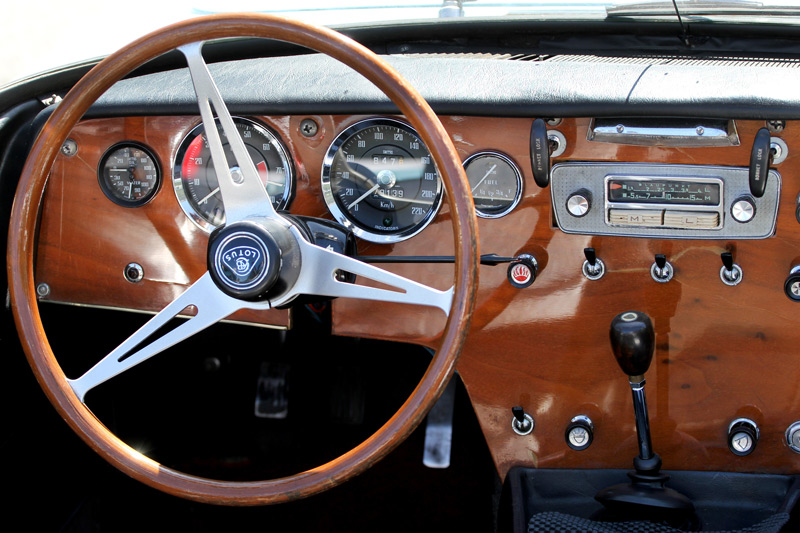
In fact, it is becoming increasingly challenging to drive a classic car in normal road traffic. There are a number of reasons for this. For one thing, traffic seems to be getting heavier and heavier, with more and more cars having to share the limited space available on the road network. In addition, rules and regulations are constantly being tightened and at the same time increasingly monitored. But with an old car and a trembling speedometer needle, it's not so easy to drive at exactly 50 km/h. If you drive slower, the vehicles behind you start to close the gap; if you drive faster, you may soon have to pay an (expensive) fine.
In general, the tolerance for old cars on the road does not seem to be increasing, but young road users in modern cars have no idea of the braking and acceleration capabilities of old cars. They jump without consideration into the gap that the thoughtful classic car driver in front of them has reserved for braking maneuvers. Bicycles are getting faster and faster and are claiming more and more rights. Then there are the electrified scooters and cargo bikes and the public transport vehicles that demand priority.
In any case, the classic car driver must not only think for himself, but also for others. They have to think about whether other road users are paying attention to their indicators or brake lights. They have to anticipate whether a careless driver might simply turn into the road without considering the poor braking performance of old vehicles. And when driving behind, the driver of an old car must always be prepared for the fact that the modern car in front of him could suddenly brake sharply for no reason because a driving aid has detected a danger that is not recognizable to humans.
In convoy traffic, the driver of an old car sees less and less through the vehicles in front; dark rear windows and overly high and wide cars (keyword SUVs) restrict visibility. Even the additional brake lights fitted in the middle are no longer of any help.
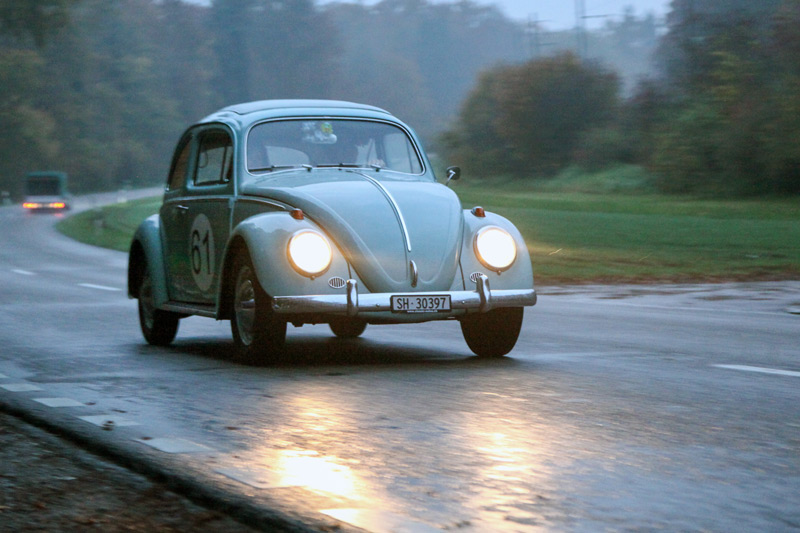
When it gets wet or dark, things get even trickier. Then the glaring LED and xenon lights of modern cars dazzle the driver in the old car, whose windshield has typically received a few scratches over time. Modern drivers no longer recognize the 6 or 12 volt bulbs, which may even vary in intensity depending on the engine speed, as headlights anyway. And the windshield wipers in the old car are massively inferior to their modern successors.
Of course, you can still drive along in modern traffic in an old car, but it requires much more concentration. What's more, you always have to readjust to the classic car, especially when you switch from a modern car to an oldie.
All this (and much more) makes driving an old car much more demanding in heavy traffic and in cities, but most classic car drivers are of course aware of this and put all their concentration into getting home accident and damage-free.
Unfortunately, lonely country roads and low-frequency traffic routes (as in the picture above) are becoming increasingly rare, but above all they can often only be reached once you have passed busy conurbations or connecting routes.
Of course, younger vehicles (including youngtimers and vintage cars from the seventies and eighties) have an advantage in the situations described above, which is another reason for the declining appreciation of pre- and post-war cars up to the sixties.
What do you think, dear reader? Please add your own experiences as comments ...